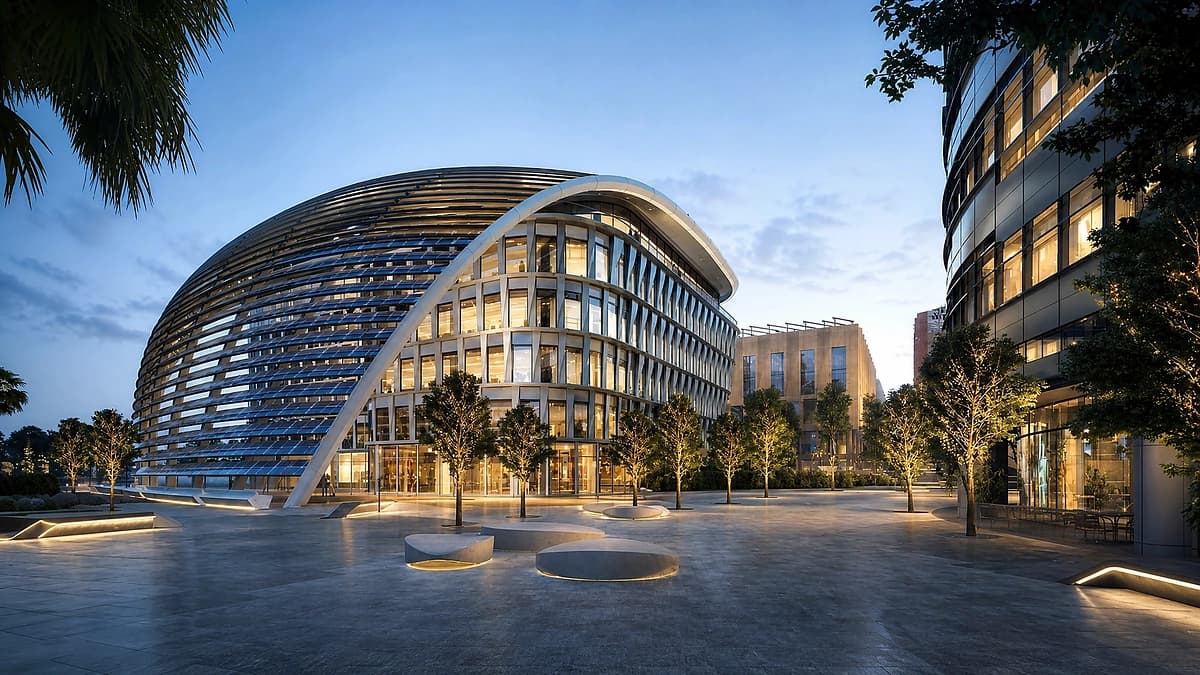
5 Pearl Estidama rating: Masdar City M19 sustainability
Masdar City's M19 A&B achieved a 5 Pearl Estidama rating, setting a UAE commercial benchmark for energy and water efficiency.
Masdar City announced that its M19 A&B office buildings are the first commercial office development in the UAE to attain a 5 Pearl Estidama rating, the highest level in Abu Dhabi's Pearl Rating System, reflecting nearly 20 years of incremental sustainability planning. The certification recognises top-tier performance across energy efficiency, water conservation, thermal resilience and occupant wellbeing and sits alongside planned LEED Platinum and WELL Gold pursuits for the project.
The M19 outcome is concrete: Masdar reports 91% energy savings compared with international benchmarks, 45% indoor water reduction, a 56% drop in heat gain and a 63% cut in cooling demand. Those technical results matter for investors and occupiers because they translate into lower operating expenses, stronger ESG credentials for tenants and an emerging green-premium narrative in Abu Dhabi commercial leasing and transactions.
What does 5 Pearl Estidama mean: performance benchmarks and standards
What does 5 Pearl Estidama mean: performance benchmarks and standards — Key Data
Energy savings
91%
Water reduction
45%
Cooling demand cut
63%
Heat gain reduction
56%
5 Pearl Estidama is Abu Dhabi's top sustainability standard that requires projects to demonstrate measurable excellence in energy, water, thermal performance and occupant health, and Masdar City’s M19 A&B met those requirements by delivering 91% energy savings, 45% indoor water reduction, 56% heat gain reduction and a 63% cooling demand cut.
The Pearl Rating System, administered by Abu Dhabi authorities and rooted in the Estidama framework, grades projects from one to five Pearls with the highest level reserved for developments that achieve exemplary environmental and resilience targets. A 5 Pearl approval confirms that a building not only uses advanced design and technology but also meets strict verification on-site and in operations. Masdar City says M19 exceeded international benchmarks by 91% on energy performance through integrated design and solar systems, and reduced indoor potable water consumption by 45% through efficient fittings and smart controls. These are measured, auditable outcomes that feed directly into tenant-facing sustainability disclosures and building operational certificates.
For real estate stakeholders the standard matters because it is prescriptive and measurable: a 5 Pearl building must show durable reductions across utility consumption, embodied and operational carbon targets, and occupant wellbeing metrics such as thermal comfort and daylighting. In practice M19’s results create an operational baseline that property managers and investors can model: 91% less energy usage compared to standard benchmarks lowers utility liabilities dramatically, while 45% water savings reduce potable water bills and pressure on municipal supplies. The rating also supports additional third-party certifications and positions assets for regulatory favour and tenant demand in Abu Dhabi and beyond.
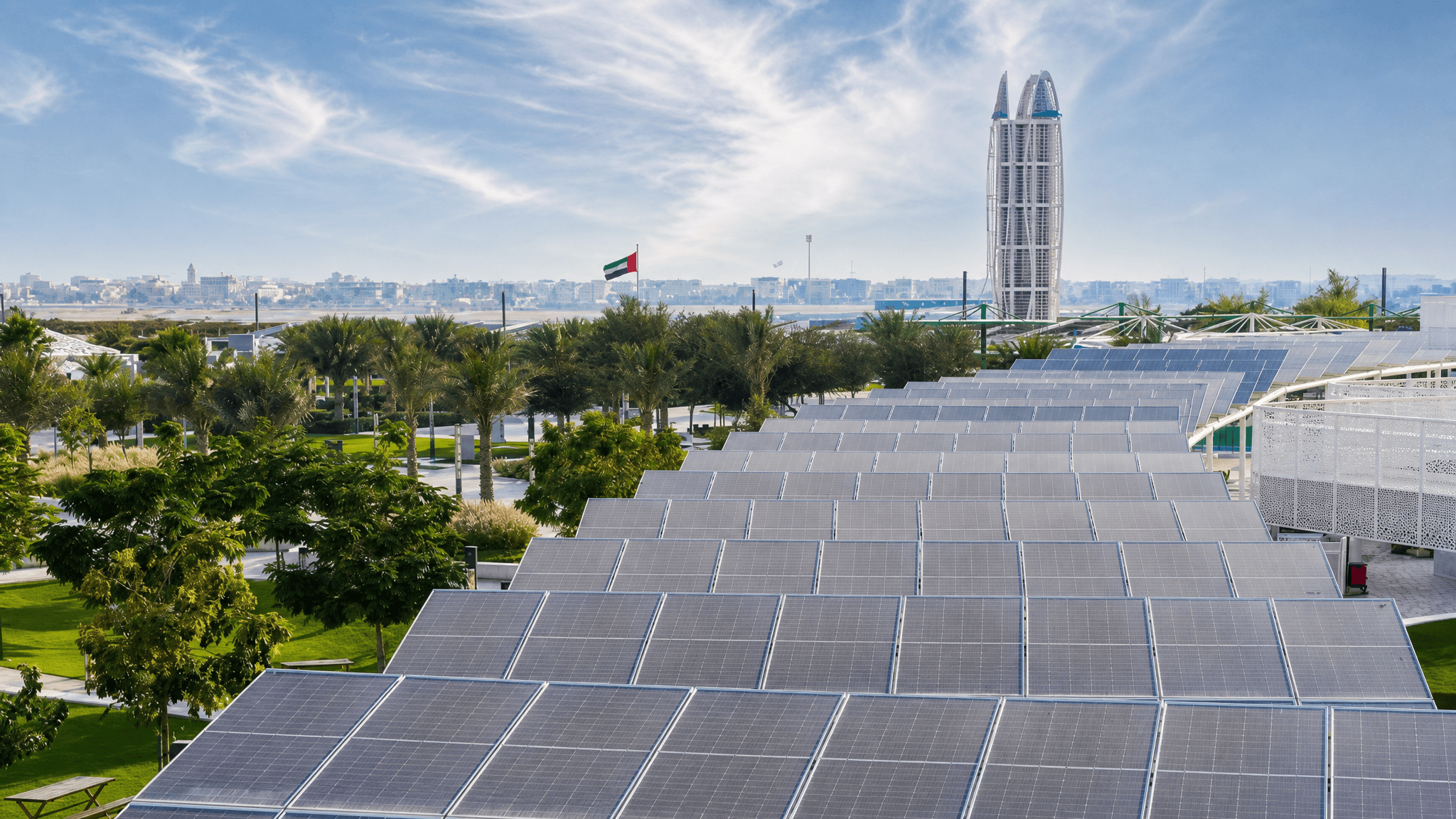
Why did Masdar City build M19 for 5 Pearl Estidama and Net Zero 2050 alignment
Masdar City developed M19 to validate large-scale commercial sustainability, demonstrate net-zero-aligned office performance and advance the city’s two-decade climate resilience strategy that supports UAE Net Zero 2050, with targets validated by the 5 Pearl Estidama outcome and reported savings of 91% energy and 45% indoor water reduction.
Masdar’s strategy is both demonstration and market transformation: the city has spent almost 20 years cultivating a cluster of innovation projects—International Renewable Energy Agency headquarters, the Net Zero Mosque and The Link—that prove low-carbon urban systems can work at scale. M19 functions as a commercial prototype that proves speculative office space can deliver operational savings while meeting occupier wellness standards. The stated ambition to secure LEED Platinum and WELL Gold for M19 extends the development’s market signals, giving tenants and investors multiple green credentials to rely on when assessing risk and value.
The project also helps Masdar align to national policy: UAE Net Zero 2050 requires demonstrable reductions in carbon intensity and energy demand across sectors, and M19’s measured 91% energy savings beyond international benchmarks and a 63% reduction in cooling demand are tangible contributions. The city has pipeline activity reported at Dh3-4 billion in related projects that target AI, life sciences and sustainable infrastructure, indicating capital commitment to the cluster model. For developers and institutional investors, M19 shows how policy alignment, demonstrable performance and third-party certification can de-risk long-term cash flows and bolster asset valuations in Abu Dhabi’s commercial market.
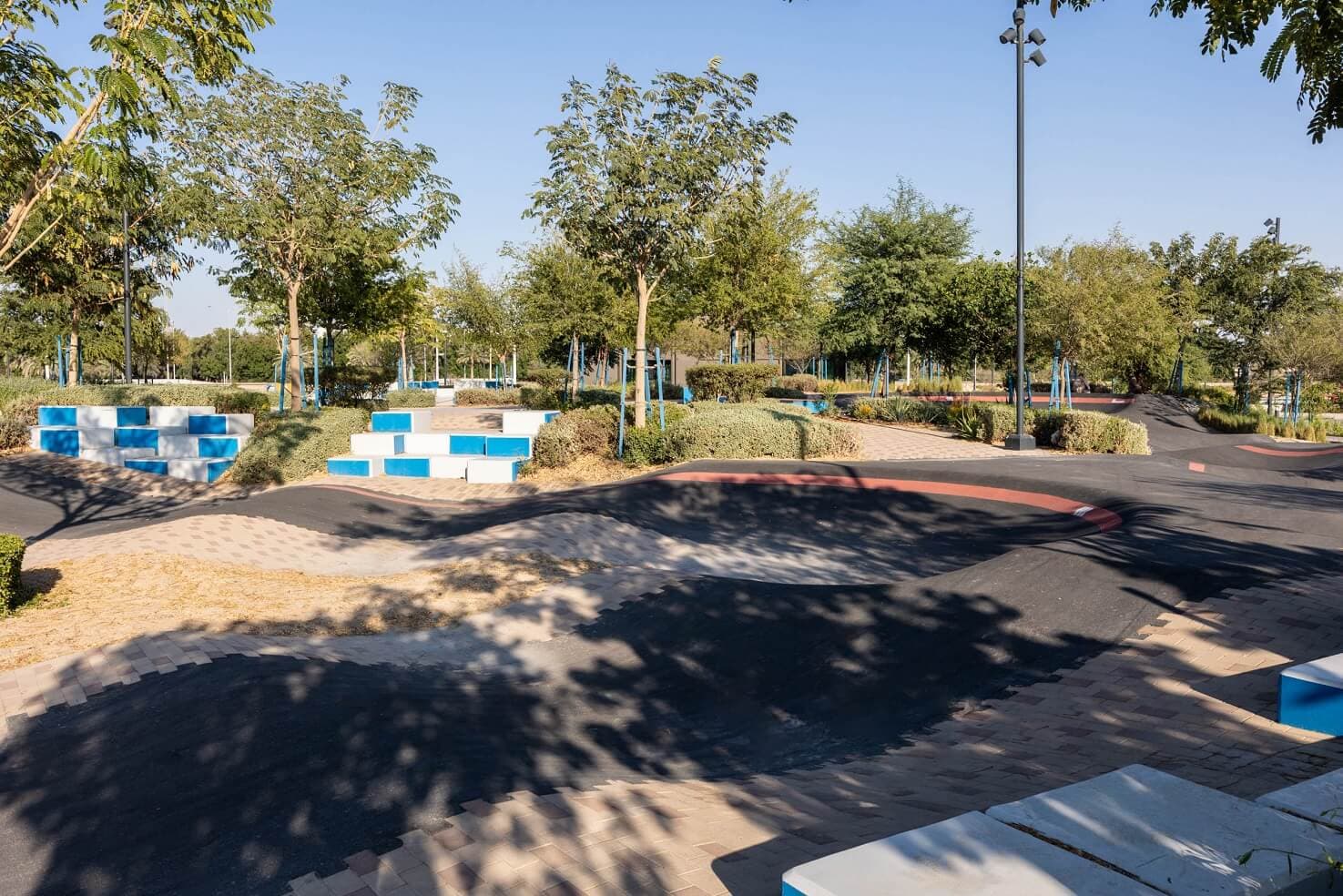
| Metric | Target | Achieved |
|---|---|---|
| Energy performance | Net-zero aligned benchmark | 91% better than international benchmark |
| Indoor water consumption | Industry best-practice reduction | 45% reduction |
| Cooling demand | Lower mechanical load target | 63% reduction |
"Delivering measurable savings is the only credible way to scale sustainable commercial real estate; M19 proves performance beats promises."
— Ahmed Baghoum, Masdar City official
What design choices delivered the savings: façades, shading and solar integration
The M19 savings came from an integrated design package where high-performance façades, strategic external shading, rooftop and façade-mounted solar systems, and smart building controls collectively produced 91% energy savings, 45% indoor water reduction, a 56% decrease in heat gain and a 63% cut in cooling demand.
Masdar City attributes M19’s performance to passive and active measures working together. Passive measures include façade engineering that reduces solar heat gain through orientation, material selection and shading devices, resulting in a 56% heat gain reduction that directly cuts HVAC load. Active systems include rooftop and integrated PV installations that offset grid consumption and advanced building management systems that optimise daylight, lighting and HVAC operations; Masdar reports these combined strategies delivered energy savings of 91% compared with international benchmarks. Water efficiency is achieved through low-flow fittings, rainwater capture potential and smart metering that delivered a 45% reduction in indoor potable water use. The design also prioritised occupant mobility and wellbeing with EV charging stations, bicycle parking connected to Masdar’s cycling network and shaded pedestrian routes that support microclimate comfort.
From a developer and investor perspective these choices reduce both capital and operating risk over the asset lifecycle. Lower cooling demand, down 63%, reduces peak electrical demand and the size of mechanical plant, which lowers both capital expenditure and lifecycle maintenance costs. Solar integration translates to predictable on-site generation that can stabilise utility bills and improve net operating income. The building’s pursuit of LEED Platinum and WELL Gold will further entrench value by certifying indoor environmental quality, which can command higher occupancy and a green premium in rental markets.
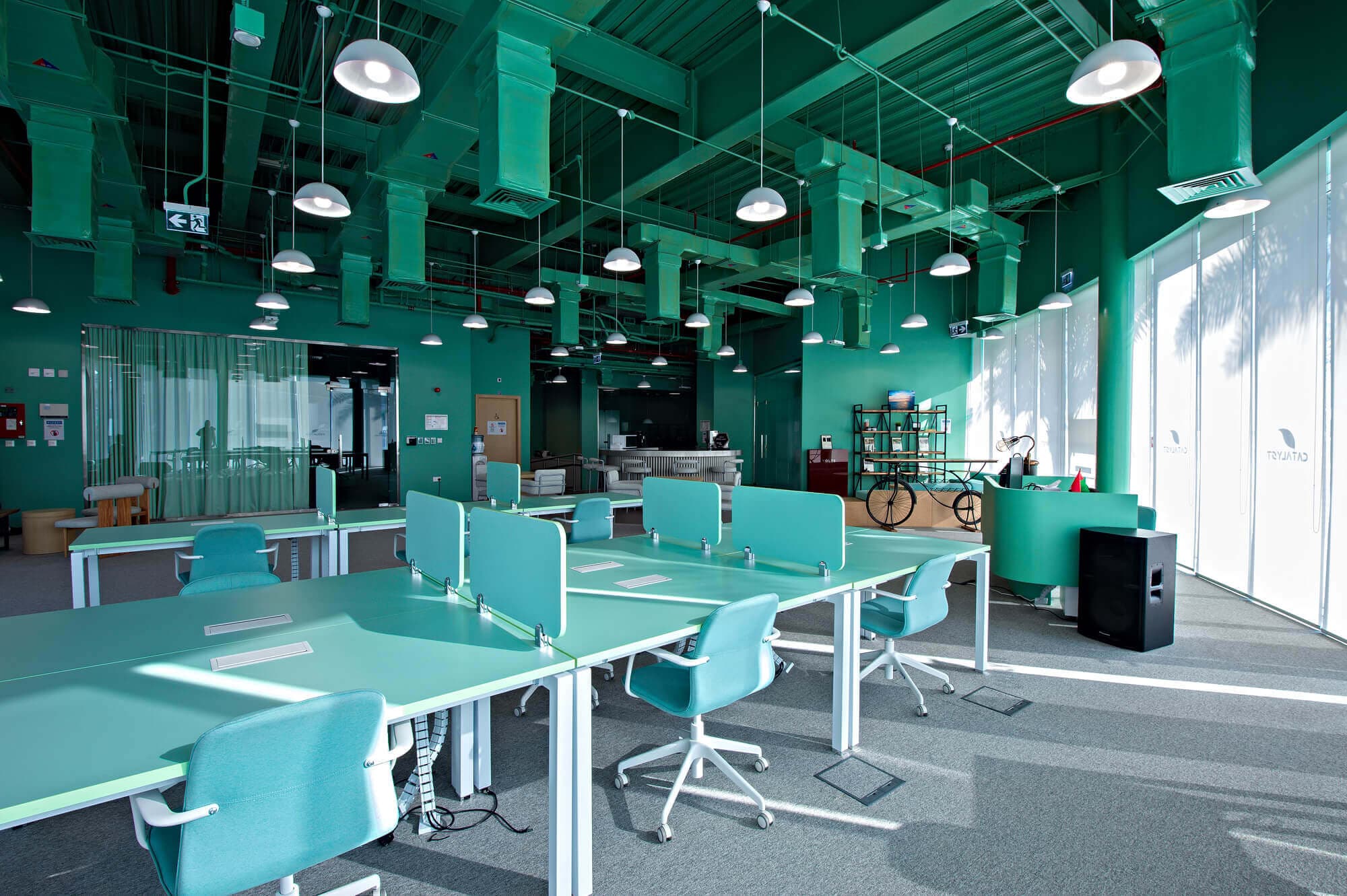
- High-performance façade: 56% heat gain reduction
- Solar integration: supports 91% energy savings versus benchmark
- Water-saving systems: 45% indoor water reduction
- Active controls: 63% cooling demand reduction
What are the investment and development implications for Abu Dhabi and UAE commercial market
5 Pearl Estidama projects like M19 change investment dynamics by materially lowering operating costs and strengthening resilience, evidenced by Masdar’s reported 91% energy savings and 45% water reduction, and market transactions such as Aldar and Mubadala’s Dh654 million purchase of The Link show active investor appetite for sustainably positioned assets.
For institutional investors and developers the principal implications are threefold: reduced operational risk, clearer regulatory alignment and a potential green premium in valuations. Operational risk falls when buildings cut energy use by 91% and cooling demand by 63%, because utilities and mechanical refresh cycles become smaller line items in pro forma cash flow. Regulatory alignment matters as Abu Dhabi's Estidama standards and UAE Net Zero 2050 policies increasingly influence permitting, incentives and tenant requirements. The Dh654m acquisition of The Link illustrates that large, sophisticated capital is seeking resilient, well-located green assets. While precise yield uplift will vary by location and tenant mix, the demonstrable reductions in OPEX and enhanced occupier health metrics typically support stronger retention and pricing power.
Developers should factor the incremental capex for high-performance façades and PV into underwriting but balance this against reduced plant size and lower lifecycle costs; Masdar’s M19 shows the trade-off can be accretive. For occupiers, lower cooling and energy needs translate into predictable utility budgets and better workplace comfort, which supports productivity. For brokers and asset managers, Estidama-certified assets will increasingly become a distinct listing category in Abu Dhabi and across the UAE, commanding tailored marketing and potentially higher transaction multiples in a market that is already seeing Dh-level strategic purchases.
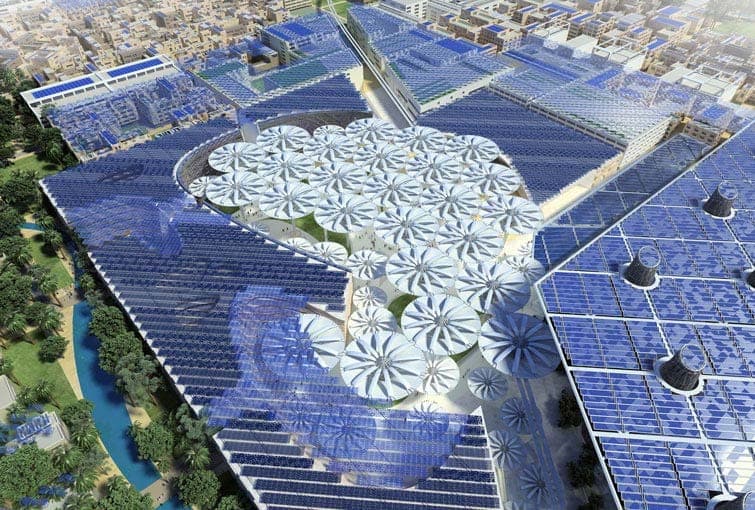
Key Insight
Investor note: When underwriting green commercial assets, model both initial capex for façade and solar against long-term OPEX reductions; Masdar’s 91% energy savings and 45% water cut are material inputs for a 10-20 year cash-flow model.
Masdar City’s M19 A&B demonstrates that 5 Pearl Estidama is not merely a badge but a blueprint: verified outcomes—91% energy savings, 45% indoor water reduction, 56% heat gain reduction and 63% lower cooling demand—translate into materially lower operating costs and stronger resilience for commercial assets over multi-decade holds. The project aligns with UAE Net Zero 2050 ambitions and reinforces why investors and developers are prioritising measurable sustainability performance when underwriting office buildings and urban precincts.
Binayah Editorial
Property Market Analyst
Our editorial team researches Dubai's real estate market, tracking DLD data, developer launches, and investment trends to keep buyers and investors informed.
Ready to Invest in Dubai?
Speak with our analysts about the best opportunities in today's market — free consultation.
Related Articles
 Market Report 10 min read
May 14, 2026
Dubai property market report Q2 2024: transactions and price trends
 Market Report 12 min read
May 14, 2026
UAE real estate developers resilience: Moody's market report
 Market Report 9 min read
May 14, 2026