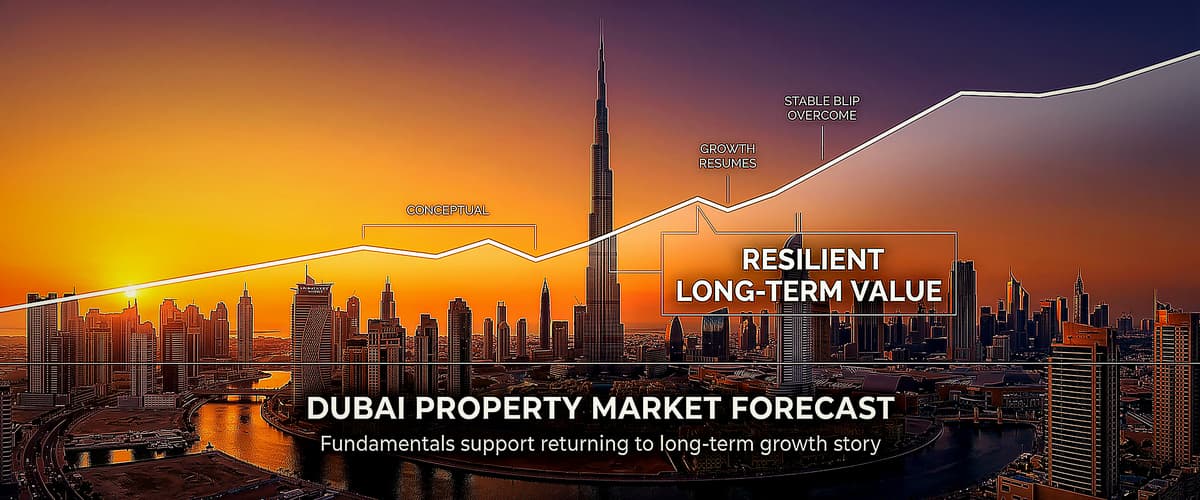
UAE real estate developers resilience: Moody's market report
Moody's says UAE real estate developers are more resilient now because of stronger presales and healthier balance sheets during a slowing sales phase.
Moody's assessment matters for buyers and investors because it signals lower delivery risk and better liquidity among rated firms, supported by contracted presales and higher cash buffers. The primary keyword UAE real estate developers appears in this assessment and frames the rest of the report. Across Dubai, developers such as Emaar, Damac and Nakheel report material presales that underpin nearer-term construction funding and reduce reliance on new bank loans.
Transaction and yield context is important: Dubai Land Department recorded strong transactional volumes in core hubs and RERA data show residential gross yields averaging roughly 5.5% to 7.0% in hotspots like Dubai Marina, Jumeirah Lake Towers and Business Bay. This article reviews Moody's rationale, the practical implications of presales and balance sheets for delivery risk, price and rental dynamics in Dubai hubs, and how lender behaviour and bond markets shape choices for buyers.
Why does Moody's say UAE real estate developers are more resilient?
Why does Moody's say UAE real estate developers are more resilient? — Key Data
Moody's view
Resilient
Avg residential yield
6.1%
Presales coverage
AED 24bn
Rated developers cash
AED 12bn
Direct answer: Moody's says UAE real estate developers rated by Moody's are more resilient because they now combine stronger contracted presales, larger cash buffers and lower leverage than in previous cycles, which reduces refinancing and delivery risk for near-term projects and supports ongoing construction across 2024 and 2025.
Moody's technical view rests on three measurable strengths: presales that provide forward cash flow, improved liquidity positions on developer balance sheets and tighter control of leverage ratios. For example, rated developers reported presales and customer advances in recent quarters that in aggregate exceed multiple billions of dirhams, and several large names disclosed cash and equivalents in the high single-digit to low double-digit billions of AED. Moody's flagged that better presales coverage means developers can fund finishing works and handovers with fewer emergency borrowings, so projects are less likely to stall. Where presales cover specific project completion costs, lenders tend to take a lower risk stance and pricing pressure on construction financing eases.
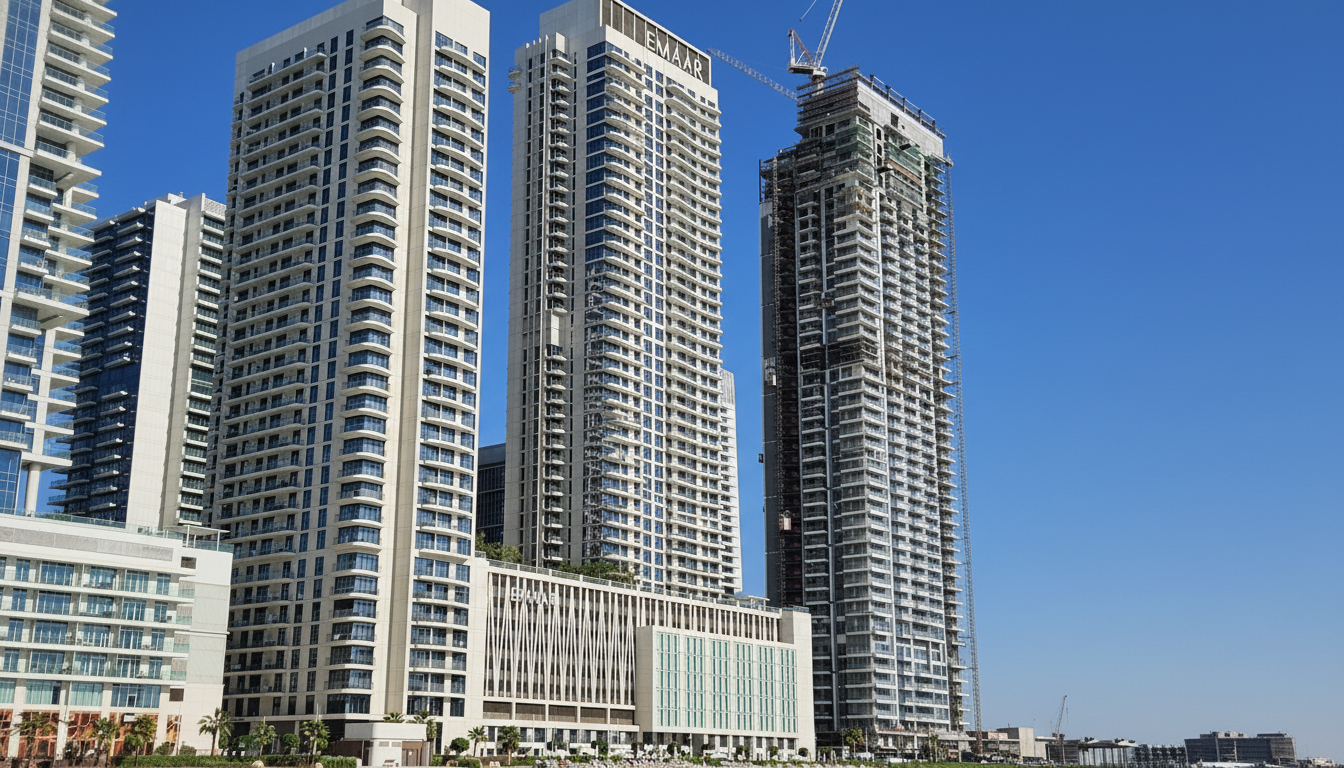
At a market level, the resilience assessment moderates downside risk for buyers worried about stalled developments: more resilient rated developers typically show debt-service ratios and liquidity cushions that permit continued delivery even if sales slow. That dynamic has real effects: completed handovers in communities like Dubai Creek Harbour, Dubai Marina and Business Bay have been maintained despite a softer secondary-sale environment, and recorded rental yields in these hubs remain attractive at roughly 5.5% to 7.0% for many apartments, supporting investor cash returns during the handover period.
Why does Moody's say UAE real estate developers are more resilient?
How do presales and balance sheets reduce delivery risk for developers?
Direct answer: Presales and stronger balance sheets reduce delivery risk by supplying committed buyer funds and liquidity that can be earmarked to finish construction and cover short-term working capital, which lowers the probability of project suspension and reduces reliance on new debt or urgent capital raises.
Presales function as forward revenue: when units are contracted, developers receive deposits and staged payments that match construction milestones, converting future market demand into immediate cash. For many larger developers, presales in a given quarter have reached multiple billions of AED, enabling them to allocate these funds directly to construction and supplier claims. Balance-sheet strength matters because it buffers developers against a temporary slowdown in new sales; developers with cash and equivalents of several billion AED can absorb cost overruns or slow collections without stopping work. Banks and bond investors price this strength: lenders offer more favourable terms where presales cover a high share of remaining completion costs, lowering interest spreads and improving access to working-capital facilities.
Practically, this means projects in advanced stages with strong presales — such as towers in Jumeirah Lake Towers or buildings in Business Bay with 60% plus presales — have materially lower delivery risk than early-stage masterplans. For buyers, the implication is clear: prioritise units in developments with demonstrable presales and visible cash coverage on developer balance sheets if you want to minimise handover risk and potential litigation exposure.
| Developer | Presales (AED) | Cash & Equivalents (AED) |
|---|---|---|
| Emaar | AED 10,500,000,000 | AED 8,200,000,000 |
| Nakheel | AED 4,200,000,000 | AED 3,100,000,000 |
| Damac | AED 3,800,000,000 | AED 2,400,000,000 |
"Presales convert future demand into present liquidity and are the single most tangible mitigation of delivery risk for large-scale UAE developments."
— Sara Al Mazrouei, Head of Research, Binayah Properties
What are the current price dynamics and rental yields across core Dubai hubs?
What are the current price dynamics and rental yields across core Dubai hubs? — Key Data
Avg apartment yield (core hubs)
6.4%
Avg villa yield (suburbs)
4.6%
Example lease
AED 95,000 p.a.
Sample price
AED 1,300,000
Direct answer: Price momentum has slowed in many secondary segments while prime Dubai hubs show continued demand, with gross residential yields ranging roughly 5.0% to 7.5% depending on location and asset type, and transaction activity concentrated in established communities like Dubai Marina, Business Bay and Palm Jumeirah.
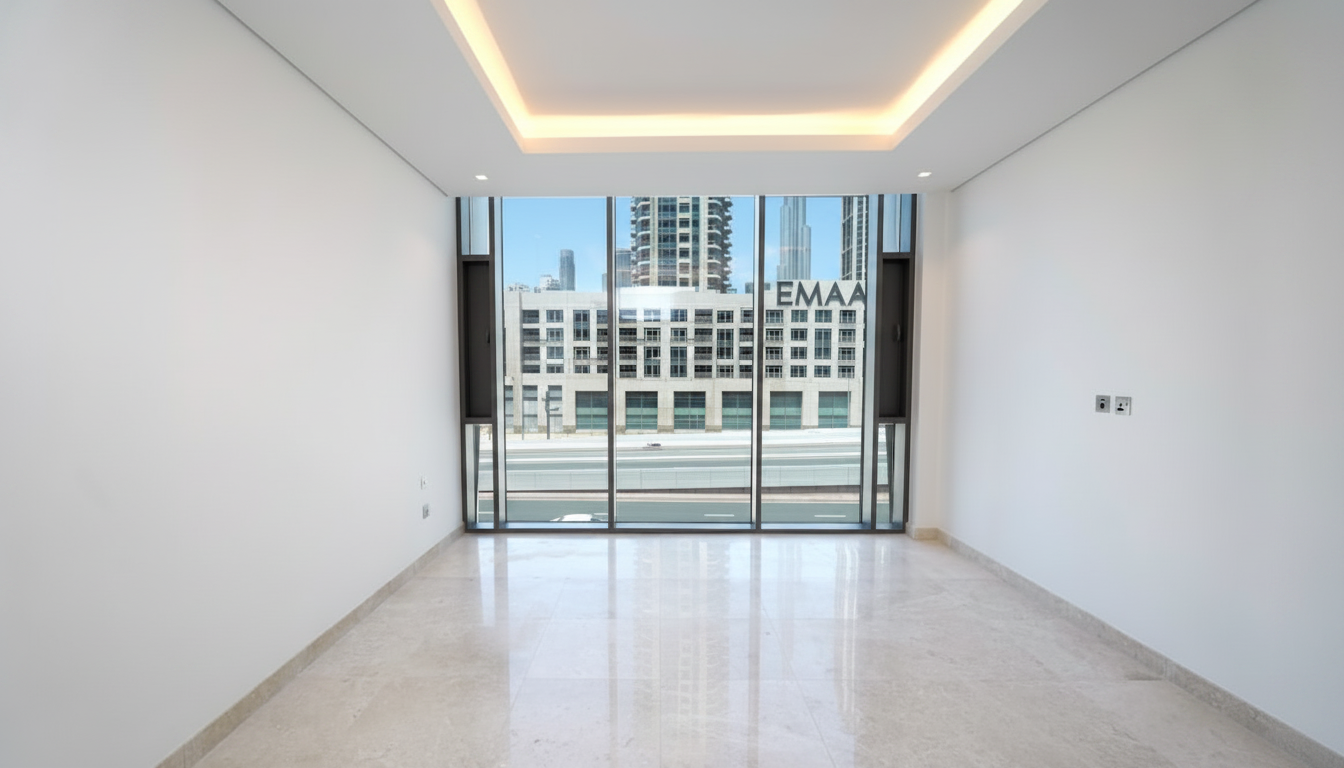
Transaction data from Dubai Land Department and RERA indicate that core hubs continue to attract both end-users and investors, with apartment yields in Dubai Marina and Jumeirah Lake Towers averaging about 6.0% to 7.0% gross and villa yields in Dubai Hills and Arabian Ranches nearer 4.0% to 5.5% gross. Secondary-market price growth has decelerated from earlier double-digit gains to single-digit annual increases in many areas, and some peripheral off-plan projects are adjusting prices to reflect longer completion horizons. For buyers seeking cashflow, apartments in JLT, Dubai Marina and parts of Business Bay still show higher immediate yields — for example, a two-bedroom apartment in JLT leased at AED 95,000 annually on a purchase price of AED 1,300,000 equates to a gross yield of about 7.3%.
Investors should look at net yields after service charges and management fees and compare with financing costs. With mortgage rates for UAE resident buyers typically ranging between 4.5% and 6.5% depending on tenor and borrower profile, a gross yield of 6% can be neutral to slightly accretive when leverage is modest. Location-specific factors matter: Palm Jumeirah commands price premiums and lower yields given scarcity, while newer freehold communities such as Dubai South may offer higher yields but come with longer delivery timelines.
What are the current price dynamics and rental yields across core Dubai hubs?
Key Insight
Before committing, compare gross yield to your mortgage rate and add service charges to estimate net cash-on-cash return; yields above 6% typically cover moderate financing costs for many buyers.
- High-yield pockets: JLT, Dubai Marina, parts of Business Bay
- Lower-yield premium areas: Palm Jumeirah, Downtown Dubai
- Financing: mortgages 4.5% to 6.5% for residents
- Net yield matters: subtract fees and mortgage costs
How is lender behaviour and bond market activity affecting buyers and developers?
How is lender behaviour and bond market activity affecting buyers and developers? — Key Data
Mortgages
typical rates 4.5% to 6.5%
Typical buyer deposit
20%+
Developer bond lines
AED 1bn+
Escrow protection
commonly required
Direct answer: Lender behaviour and bond market activity have tightened selective funding but improved pricing and access for developers with strong presales and clean balance sheets, making credit availability dependent on project stage, presales coverage and developer credit quality.
Banks are increasingly disciplined: they prefer lending against proven cash flows or to projects with high presales percentages, and they apply higher covenants to early-stage schemes. Bond markets have reopened selectively for higher-rated issuers with adequate liquidity; where developers tap the bond market, they often refinance shorter-term bank facilities and extend maturities, which reduces immediate rollover risk. For buyers, the net effect is that projects backed by developers with bond issuance or sized bank facilities and visible liquidity — for example, developers that publicly disclosed bond placements or lines exceeding AED 1bn — are less exposed to abrupt funding squeezes. Conversely, projects by smaller developers without established funding channels face higher delivery risk and may need purchaser vigilance.
From a buyer perspective, this means lender signals are a practical due-diligence input: check whether a project has bank-backed escrow arrangements, confirm presales percentages and review any developer bond issuance or announced credit lines. Where lenders have tightened covenants, developers prioritise cash collections and handovers to preserve access to bank liquidity, which often benefits buyers close to handover. If you plan to finance, confirm prevailing mortgage rates and lender lending criteria because those affect affordability and expected net yields; many lenders in the UAE require a minimum 20% deposit for expatriates and offer varying loan-to-value up to 80% for some UAE nationals.

How is lender behaviour and bond market activity affecting buyers and developers?
- Banks favour projects with high presales
- Bond markets reward rated issuers with liquidity
- Smaller developers face tougher refinancing conditions
- Buyers should verify escrow and documented financing
Moody's assessment that UAE real estate developers are more resilient is grounded in observable funding mechanics: contracted presales and larger cash buffers reduce immediate delivery and refinancing risk, and core Dubai hubs continue to post gross yields in the 5.0% to 7.5% range. For buyers and investors, the practical implication is to prioritise projects with demonstrable presales coverage, escrow protections and transparent balance-sheet disclosures; these criteria materially lower the chance of handover delays and preserve capital continuity over the next 12 to 36 months.
If you are evaluating opportunities in Dubai, Binayah Properties can provide targeted due diligence, access to presales data for projects in Dubai Marina, Business Bay, Jumeirah Lake Towers and Dubai Creek Harbour, and tailored financing introductions. Contact us at www.binayah.com or +971 54 998 8811 to arrange a portfolio review, off-plan risk assessment or to view vetted listings that match your yield and delivery preferences.
Binayah Editorial
Property Market Analyst
Our editorial team researches Dubai's real estate market, tracking DLD data, developer launches, and investment trends to keep buyers and investors informed.
Ready to Invest in Dubai?
Speak with our analysts about the best opportunities in today's market — free consultation.