UAE real estate market Q1 2026: developer resilience
UAE real estate market Q1 2026 shows slowing sales but stronger developer balance sheets and presales that cushion credit risk.
Global ratings firm Moody's published an assessment in early Q2 noting that UAE developers it rates entered this cycle with larger presales and healthier balance sheets than prior downturns, reducing near-term default risk. DLD reported weaker quarterly sales volumes in Dubai but stable high-end transaction values, while RERA data points to average gross residential yields of about 5.8% in the emirate. Those two signals combine to make this cycle more manageable for rated issuers, even as headline volumes cool.
For buyers and investors the implication is tactical: expect price softening in secondary markets, pockets of rental upside in mid-market communities such as International City and Al Nahda, and select opportunities from developers with strong presales coverage. This report breaks down Q1 statistics, presales buffers by developer, price and yield trends across Dubai and Abu Dhabi, and where credit stress could re-emerge according to Moody's and local regulators.
What are the Q1 2026 UAE real estate market statistics?
What are the Q1 2026 UAE real estate market statistics? — Key Data
Sales value Q1
AED 34.1bn
Transactions Q1
23,800
Avg yield Dubai
5.8%
Presales buffer (rated)
AED 42bn
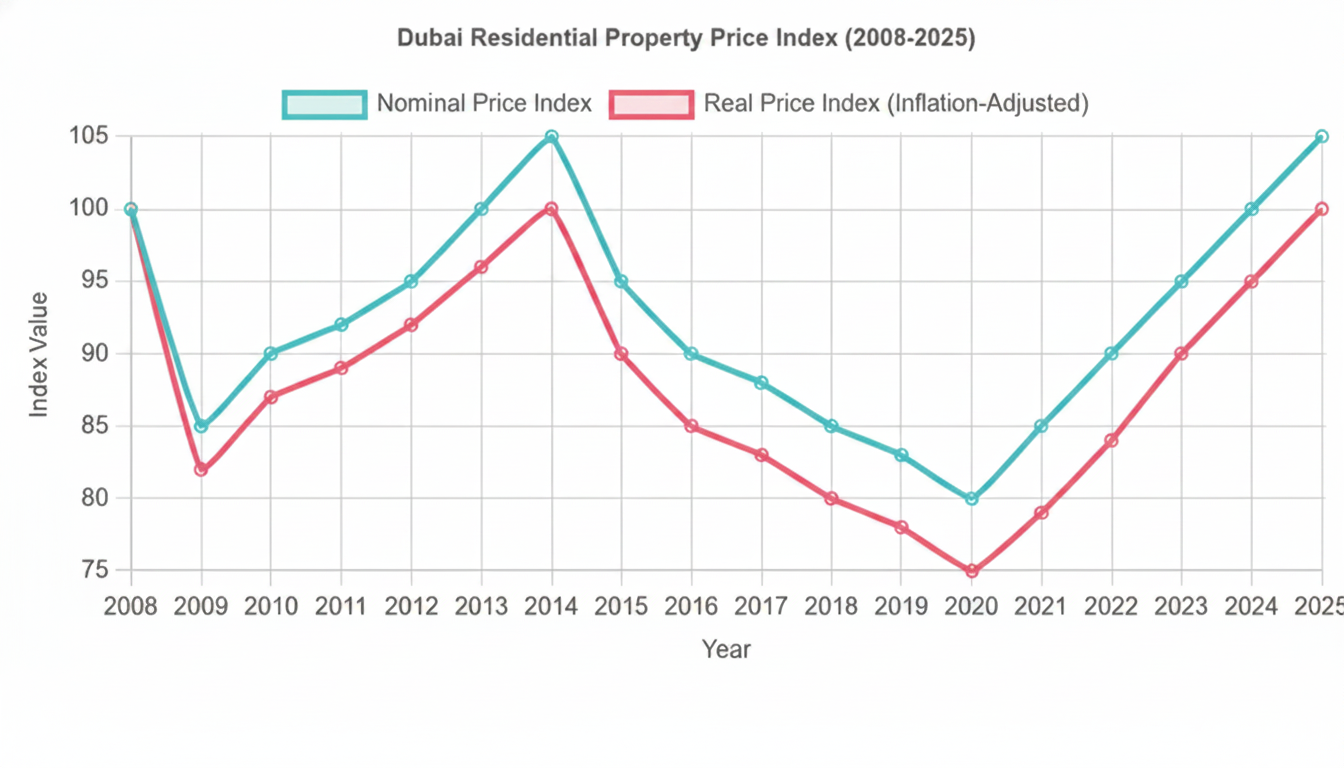
Direct answer: Q1 2026 shows a mixed picture with slowing transaction volumes but sustained value and presales support, with DLD reporting roughly AED 34.1 billion of property sales and about 23,800 transactions in Dubai, and RERA noting average gross residential yields near 5.8% in Dubai.
Elaboration: Dubai Land Department data for Q1 2026 indicate a decline in the number of deals versus the previous quarter while total sales value remained resilient because higher-value off-plan and prime re-sales continued. Moody's highlighted that rated developers have presales cover and liquidity buffers that reduce immediate refinancing pressure; Moody's estimated presales across rated names at about AED 42 billion combined, cushioning near-term obligations. Apartment markets in fringe communities showed higher rental yields, while Downtown and Palm Jumeirah kept premium price per sqm figures. Transactions skewed toward smaller investor units in communities such as Jumeirah Village Circle, Dubai Marina and Arabian Ranches where affordability and rental demand remain driving forces.
Further detail: The Q1 split shows investor-led demand for mid-market units where gross yields averaged 6.0% in some locations, versus 4.2% in luxury towers, creating divergent investment returns by community. DLD transaction data show roughly 23,800 deals in Dubai Q1 and a total sales value of approximately AED 34.1 billion; RERA reported a citywide gross rental yield average of 5.8% for apartments. For Abu Dhabi, market analytics firms reported average gross yields nearer 6.1% and steady off-plan absorption in new masterplans. These headline metrics suggest a market moving from overheated expansion toward selective, yield-driven buying opportunities.
What are the Q1 2026 UAE real estate market statistics?
How do developer balance sheets and presales protect UAE developers?
Direct answer: Stronger presales and larger liquidity cushions mean rated UAE developers today are better positioned to ride out weaker sales, with Moody's citing roughly AED 42 billion in combined presales for rated names and lower net-debt to presales ratios versus previous cycles.
Elaboration: Moody's analysis published in Q2 2026 indicates that developers it rates entered this slowdown with healthier capital structures, higher cash reserves and meaningful presales that act as a forward revenue stream. Presales create contractual cash flow and reduce immediate dependency on bank credit or capital markets. For example, major publicly-listed developers such as Emaar and Damac reported high levels of unrecognized presales at year-end; market estimates place Emaar-related presales at several billion dirhams and presales cover ratios for some developers above 1.0x net debt in Q1. These buffers reduce rollover pressure and limit the chance of covenant breaches for rated issuers.
Further detail: Not all developers are equally protected; mid-size and private developers without strong presales or with high short-term liquidity needs remain vulnerable. Where presales are strong, developers can finance construction internally and time completions to market demand. Conversely, developers with stretched net-debt to EBITDA or with concentrated single-project exposure are the highest credit risk. Banks and bond investors will focus on covenant headroom, completed sales recognition timelines, and remaining construction capex when assessing credit risk in the months ahead.
| Developer | Presales (AED) | Net debt (AED) | Net debt/presales | Liquidity (AED) |
|---|---|---|---|---|
| Emaar | AED 9.4bn | AED 12.1bn | 1.29 | AED 5.6bn |
| Aldar | AED 7.1bn | AED 6.4bn | 0.90 | AED 3.2bn |
| Damac | AED 6.2bn | AED 8.5bn | 1.37 | AED 2.8bn |
| Select private developers | AED 3.0bn | AED 5.6bn | 1.87 | AED 0.9bn |
"Developers with presales can effectively self-finance construction shortfalls and reduce refinancing risk, shifting the credit dynamic from balance-sheet survival to execution risk."
— Senior analyst, Moody's Investors Service
What are price trends and the outlook for yields across Dubai and Abu Dhabi?
Direct answer: Price movements are bifurcated with moderation in secondary markets and stability or modest gains in off-plan prime segments; RERA reports Dubai apartment gross yields near 5.8% while market data place Abu Dhabi yields around 6.1% in Q1 2026.
Elaboration: Across Dubai, headline asking prices in prime districts such as Downtown Dubai and Palm Jumeirah remained elevated, sustaining average unit prices of AED 2.2 million to AED 4.5 million depending on unit size and project. Mid-market communities, including Jumeirah Village Circle and International City, delivered higher gross yields in the 6.0%-8.0% range as rents held steady while purchase prices eased. RERA data for Q1 2026 shows a citywide average gross residential yield of 5.8% for apartments; community-level yields diverge markedly with some peripheral locations still delivering 7%+ gross yields. Abu Dhabi recorded stronger rental growth in select new-build neighbourhoods and a citywide gross yield of roughly 6.1% according to Abu Dhabi market analytics.
Further detail: For investors focused on income, communities with mid-range entry prices and robust expatriate tenancy demand will likely offer the best near-term yields. For capital-growth seekers, off-plan prime projects from developers with strong presales profiles can deliver more stable price retention. Macro variables to monitor include mortgage rate shifts, visa policy adjustments that alter resident demand, and the pace of new project completions which can affect supply-demand balance in specific micro-markets.

What are price trends and the outlook for yields across Dubai and Abu Dhabi?
Average gross residential yields by market area (Q1 2026)
Yields reflect gross annual rent divided by average asking price per community.
- Prime off-plan projects show smaller price corrections, supporting capital protection
- Mid-market communities deliver higher gross yields due to rental affordability
- Abu Dhabi yields are slightly above Dubai on a citywide average basis
Where could credit stress re-emerge and what policy responses are expected?
Direct answer: Credit stress is most likely to re-emerge among smaller, highly leveraged private developers and projects with weak presales, while regulators such as the Central Bank, DLD and RERA are poised to respond with liquidity guidance, tightened escrow enforcement and targeted supervisory measures.
Elaboration: Moody's warns that while rated developers are better positioned, non-rated and smaller firms with limited presales or concentrated short-term maturities remain vulnerable to refinancing shocks. Projects with more than 50% remaining construction completion and low presales percentages are the highest risk pockets. Banking exposures to real estate will be monitored by the Central Bank of the UAE and by Emirate-level authorities; regulators can enforce stricter escrow release standards, require additional borrower disclosures, or guide banks to tighten lending on speculative projects. Historical precedents show that policy action tends to prioritize market stability and consumer protection, aiming to avoid contagion into retail mortgage markets.
Further detail: Market participants should watch near-term indicators such as monthly DLD transaction counts, developer covenant events, and weekly bond spreads for issuers. Developers with net-debt to presales ratios above 1.5x and limited liquidity under AED 1 billion are at materially higher risk in a protracted slowdown. For investors, the safe strategy is to prioritise properties in completed or near-completion projects by developers with transparent escrow management and to avoid exposure to single-project debt where possible.
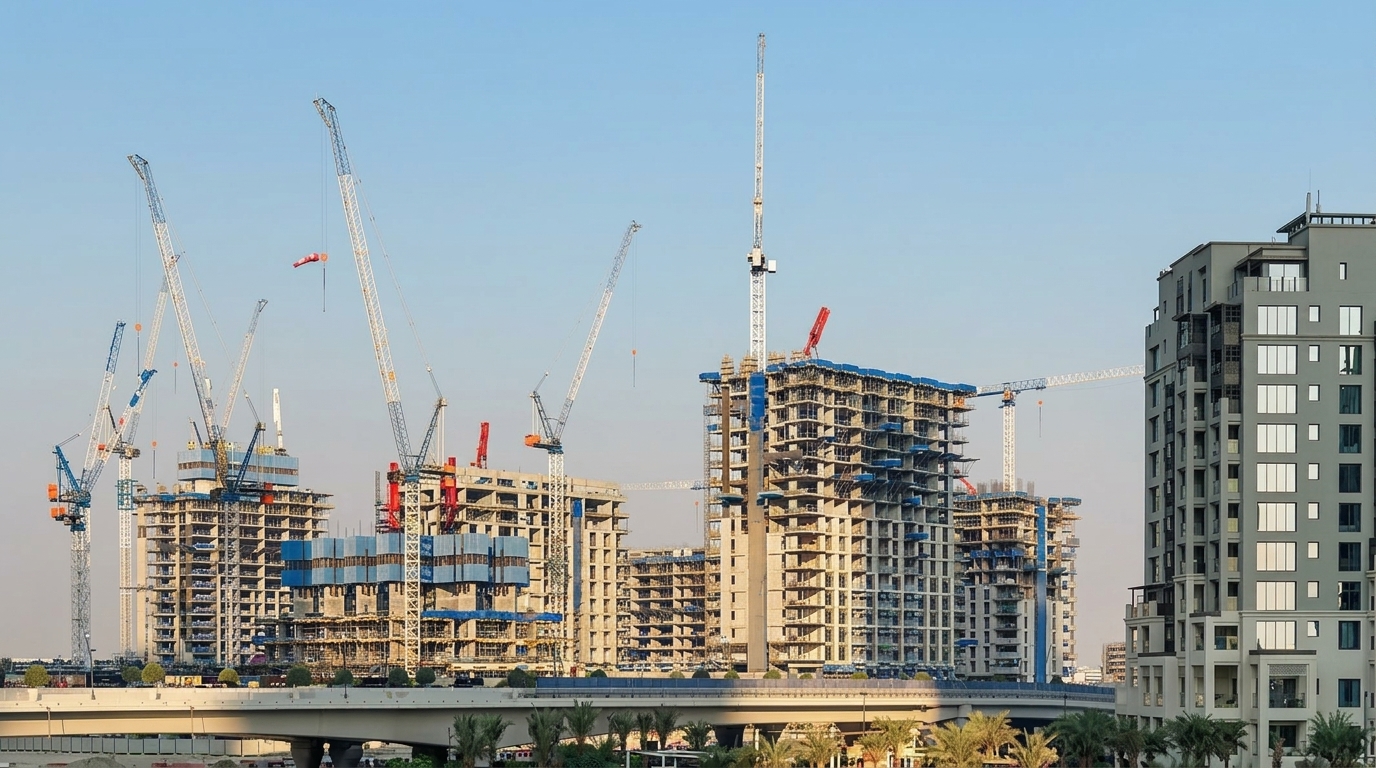
Where could credit stress re-emerge and what policy responses are expected?
Key Insight
Investor warning: Prioritise completed or near-completion projects from developers with transparent escrow accounting and verifiable presales. Avoid concentrated exposure to a single off-plan project in smaller developers without audited liquidity statements.
- Highest risk: small developers with net-debt/presales >1.5x
- Policy levers: tighter escrow rules, bank lending guidance, increased disclosure
- Market signals: rising bond spreads, covenant waivers, falling monthly transactions
Key takeaway: Q1 2026 shows a cooling UAE real estate market in transaction volumes but a materially stronger credit posture among rated developers thanks to presales and higher liquidity, reducing near-term systemic risk.
Binayah Properties CTA: Contact Binayah Properties for a tailored strategy that aligns with this market cycle. We provide investor-grade market analysis, access to vetted off-plan opportunities from developers with strong presales, and a curated portfolio of completed assets in Dubai and Abu Dhabi that target 5% to 8% gross yields. Reach out for a free portfolio review, community-by-community yield analysis, and exclusive listings in Jumeirah Village Circle, Dubai Marina, Downtown Dubai and select Abu Dhabi neighbourhoods.
Binayah Editorial
Property Market Analyst
Our editorial team researches Dubai's real estate market, tracking DLD data, developer launches, and investment trends to keep buyers and investors informed.
Ready to Invest in Dubai?
Speak with our analysts about the best opportunities in today's market — free consultation.