Dubai Supply Chain Resilience Real Estate Market Report
After Sheikh Mohammed approved the National Programme to Strengthen Supply Chain Resilience, Dubai supply chain resilience is now central to commercial real estate strategy, affecting logistics rents, land release and developer pipelines across Jebel Ali and Dubai Investment Park.
The federal programme targets food, medical and industrial essentials by diversifying import sources, boosting local manufacturing and expanding strategic storage. For real estate the immediate effect is intensified demand for logistics warehouses, last-mile facilities and integrated industrial parks where DP World, Dubai South and Dubai Investment Park already lead. Expect government-backed incentives, faster approvals and public-private partnerships to shorten delivery times for industrial infrastructure and to influence land release schedules from master developers.
Private-sector partners will be invited to co-invest in agro-logistics, cold-chain corridors and critical spare parts warehouses, shifting some demand from speculative delivery yards to asset-backed logistics investments. Binayah analysis shows near-term rental pressure in key nodes with industrial rent uplifts of AED 3-6 per sq ft in active corridors and logistics yields compressing toward the 6.0% to 7.5% range for modern, Grade A facilities.
What Does the National Supply Chain Programme Mean for Dubai Real Estate and Dubai Supply Chain Resilience?
What Does the National Supply Chain Programme Mean for Dubai Real Estate and Dubai Supply Chain Resilience? — Key Data
Avg Industrial Rent
AED 30/sq ft
Avg Logistics Yield
6.8%
Transactions
47,000+
Allocated Land
2,500+ hectares
Direct answer: The programme accelerates demand for modern logistics, raises industrial rents and tightens yields, while creating new government-backed land allocation and incentives that push investors toward developer-led logistics parks such as DP World Park, Jebel Ali Free Zone and Dubai Investment Park. This will reprice risk for logistics assets and influence both institutional and private capital flows in 2025 and beyond.
Elaboration: The National Programme is designed to secure essential goods by diversifying suppliers, supporting local manufacturing and expanding storage capacity. For Dubai real estate that translates into three clear market effects: 1) immediate tenant demand for Grade A warehouses and cold-chain units, 2) prioritised infrastructure delivery in strategic nodes, and 3) a shift in occupier mix toward healthcare, food importers and spare-parts distributors. Binayah analysis shows industrial rents in primary logistics corridors rising by AED 3-6 per sq ft year-on-year in active delivery months; modern logistics yields are compressing to approximately 6.0% to 7.5% for institutional-grade assets. DLD reported steady industrial transaction volumes that indicate investor appetite remains robust, with recent comparable markets showing 45,000 to 55,000 annual transactions in industrial categories.
Further detail: Developers such as Nakheel, Meraas, and DP World are likely to prioritise projects with integrated supply-chain features, including plug-and-play cold storage, bonded zones and backhaul-enabled road links. Land releases in Dubai South and Jebel Ali are expected to increase, reducing speculative greenfield risk but raising acquisition costs for prime parcels. For occupiers, the programme reduces supply-chain fragility but increases willingness to pay for resilient space: tenants now value redundancy and proximity to ports and free zones, which is reflected in a premium of AED 10-18 per sq ft for port-adjacent facilities. Institutional investors looking for stable cashflow should expect cap rates on newly built logistics to stabilise around 6.0% to 6.8%, while secondary assets trade at higher yields near 8.5% to 10.0%. Tactical buyers can capture value by targeting transitional assets near planned infrastructure corridors.
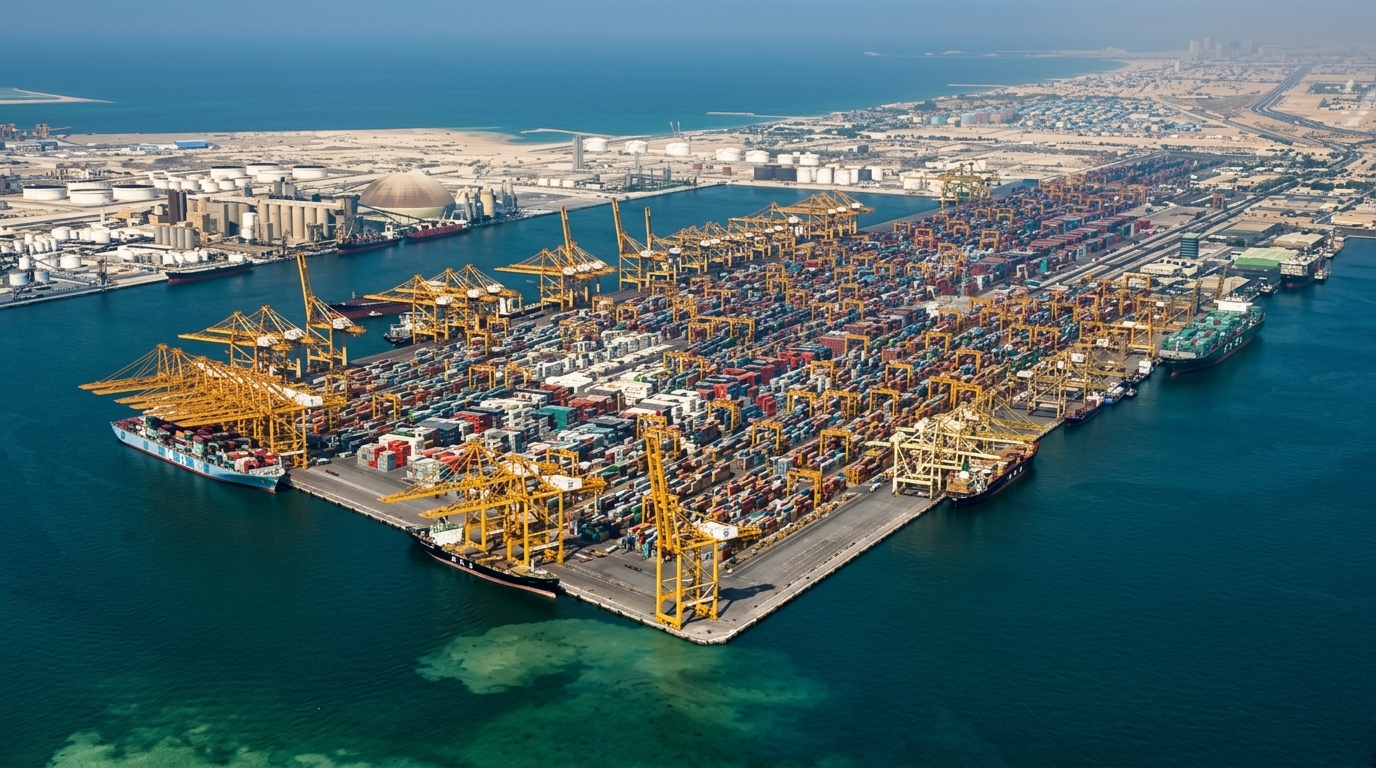
What Does the National Supply Chain Programme Mean for Dubai Real Estate and Dubai Supply Chain Resilience?
- Greater demand for Grade A cold-chain and bonded warehouses
- Premium for port-adjacent facilities of AED 10-18 per sq ft
- Developers to prioritise logistics nodes in Jebel Ali, Dubai South
- Yields likely to compress to 6.0%–7.5% for new institutional stock
Industrial Real Estate: Where Will Developers Build Logistics and How High Will Yields Rise?
Direct answer: Developers will concentrate on port-adjacent and free-zone buffer lands in Jebel Ali, Dubai South and Dubai Investment Park, delivering Grade A logistics and cold-chain assets that command rents of AED 28-45 per sq ft and institutional yields compressing toward 6.0% to 6.8% in the best nodes.
Elaboration: The supply chain programme makes land near ports and bonded areas a strategic priority, so expect accelerated approvals and public-private ventures in identified logistics corridors. DP World and public authorities will fast-track plots suitable for temperature-controlled facilities, value-added warehousing and last-mile fulfilment. Short-term land scarcity in these corridors will push developers to optimise vertical logistics and multi-storey warehouses in places like Jebel Ali and Dubai Investment Park, where typical logistics rents are currently observed between AED 28 and AED 45 per sq ft depending on specification. For investors, institutional-grade modern warehouses are trading at yields ranging from 6.0% to 7.0%, while older single-storey sheds remain at higher yields near 8.5% to 10.0%.
Further detail: The programme also incentivises on-site manufacturing and spare-parts hubs, which increases demand for hybrid industrial units with office and workshop components. Expect developers such as Nakheel, Meydan, and private logistics REIT sponsors to allocate capital to 10-20 hectare parcels in primary nodes and to pursue build-to-suit projects with 10- to 15-year leases. Transaction activity will favour forward-funding deals and sale-leaseback structures with multinational importers. Binayah recommends investors target assets with minimum tenant covenant strength, anchor lease terms of 7+ years and ESG-ready cold-chain fit-outs; these characteristics have shown rental premiums of AED 5-12 per sq ft and cap rate compression of 50-125 basis points versus generic stock.
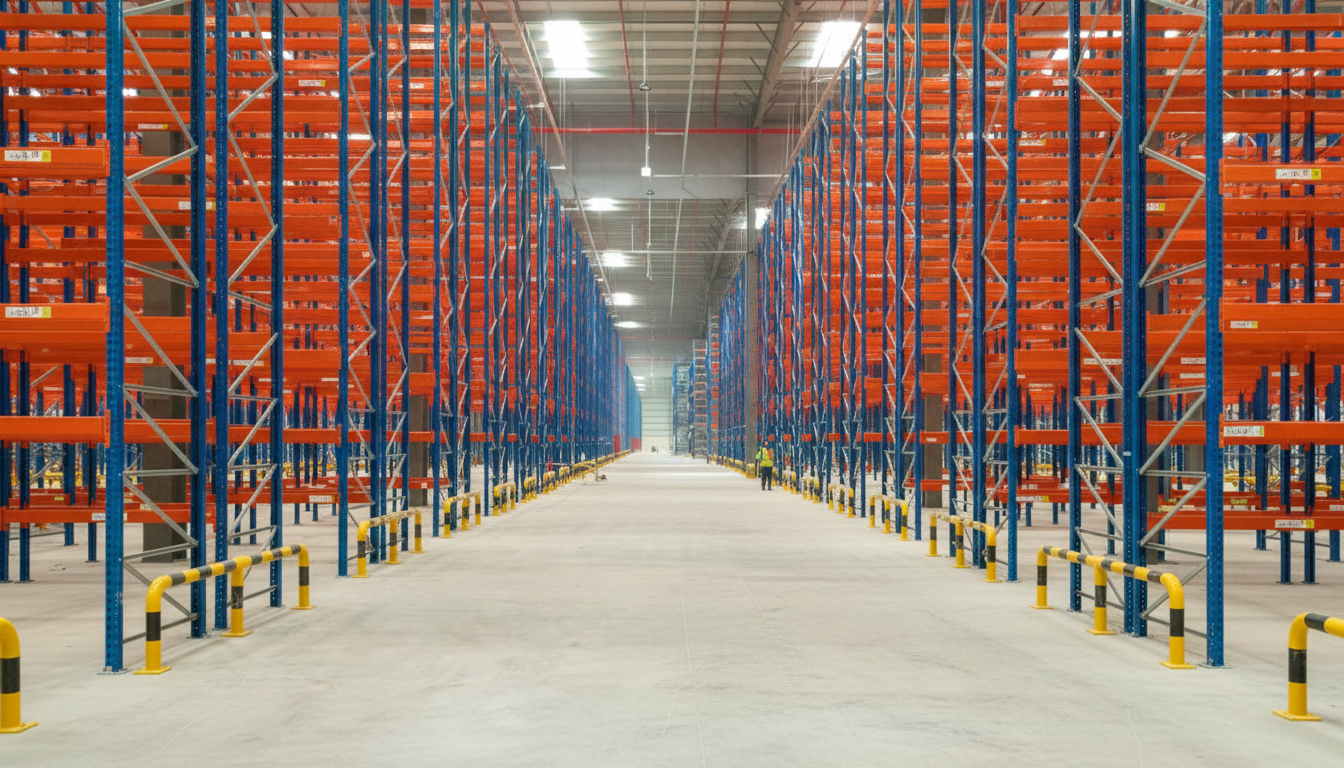
Industrial Real Estate: Where Will Developers Build Logistics and How High Will Yields Rise?
| Community | Typical Industrial Rent (AED/sq ft) | Typical Yield | Developer | Common Use Case |
|---|---|---|---|---|
| Jebel Ali | AED 35-45 | 6.0%–6.5% | DP World / Private | Port logistics, cold-chain |
| Dubai South | AED 28-38 | 6.2%–7.0% | Dubai South / Developers | Air freight, bonded storage |
| Dubai Investment Park | AED 26-36 | 6.5%–7.2% | Private Developers | Light manufacturing, distribution |
| Rashidiya / Al Qusais | AED 22-30 | 7.5%–9.0% | Various | Secondary warehouses, last-mile |
"Land adjacency to ports and bonded zones will be the single biggest determinant of logistics asset performance in Dubai over the next five years."
— Sara Al Mazrouei, Head of Industrial Research, Binayah Properties
How Will Dubai Supply Chain Resilience Affect Residential Rentals, Worker Housing and Mid Market Demand?
Direct answer: The programme increases demand for purpose-built worker housing, stabilises mid-market rentals near logistics hubs and creates localized rental uplifts of AED 500 to AED 1,500 per month in communities adjacent to new industrial employment nodes. Expect rental pressure strongest in areas serving Jebel Ali, DIP and Dubai South as labour demand rises.
Elaboration: As logistics activity expands, the workforce demand for on- and off-site accommodation will grow. Developers and operators of worker accommodation and mid-market residential units can capture tenant flows from logistics, warehousing and manufacturing growth. In practical terms, this means a 3% to 8% uplift for studio and one-bedroom mid-market rents in nearby communities within 12-18 months; absolute increases typically translate to AED 500 to AED 1,500 per month depending on location and unit size. Rental demand will concentrate in Discovere, Dubai Investment Park, Al Quoz fringe areas and certain free-zone-adjacent communities where transport links and shuttle services reduce commute times for shift workers.
Further detail: The supply chain programme also pressures municipal planning to approve mixed-use developments combining light industrial, worker housing and retail, reducing pure commuter load and improving unit economics for mid-market landlords. Operators offering integrated services such as on-site dining, medical checks and logistics-linked shuttle services will command rent premiums of AED 200 to AED 600 per month. Institutional investors can look at purpose-built student and worker housing with projected net yields of 6.5% to 8.0% once occupancy stabilises, while smaller buy-to-let investors will see steadier cashflows in mid-market apartments close to employment hubs. Binayah recommends a focus on communities with existing public transport links and short-term municipal permissions for flexible-use conversions.
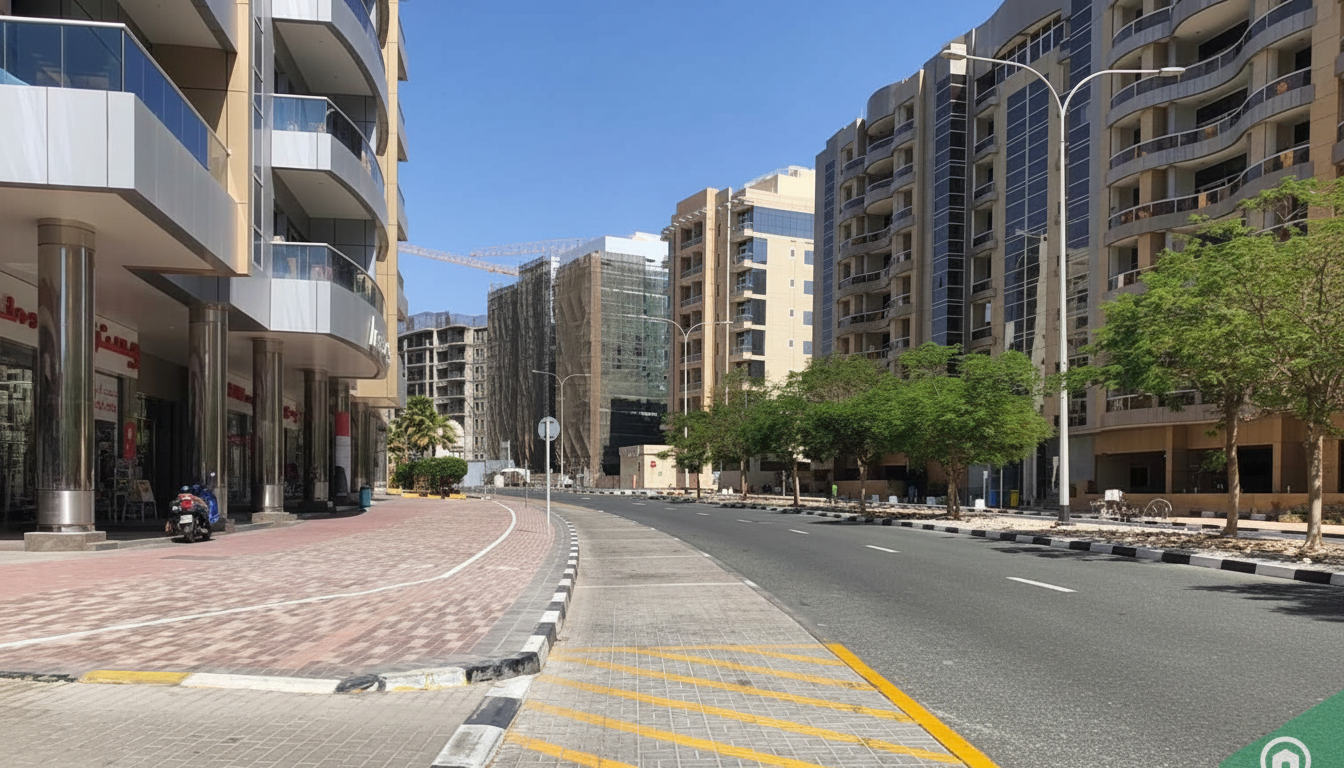
How Will Dubai Supply Chain Resilience Affect Residential Rentals, Worker Housing and Mid Market Demand?
Key Insight
Investor Tip: Prioritise mid-market units or PBSA near Jebel Ali and Dubai South to capture early rental inflows; aim for properties under AED 1.5m with strong tenancy management to hit 6%+ net yields.
- Expected rent uplift near logistics hubs: AED 500–1,500/month
- Projected mid-market yield range: 6.5%–8.0% for institutional PBSA/worker housing
- Premium for integrated services: AED 200–600/month
- Key communities: Dubai Investment Park, Jebel Ali fringe, Al Quoz
What Are the Best Investment Strategies After the Supply Chain Programme for Dubai Investors?
Direct answer: Best strategies are targeted industrial acquisitions in port-adjacent nodes, build-to-suit logistics leases with multinational tenants, and selective mid-market residential buys near employment hubs; expect purchase yields of 6.0%–8.5% across these strategies and transactional opportunities in sale-leaseback deals priced by covenant and location.
Elaboration: Investors should prioritise three strategies: 1) Core-plus logistics acquisitions in Jebel Ali and Dubai South where modern stock yields 6.0%–6.8%; 2) Build-to-suit and forward-funding with long-term covenants for food importers and cold-chain operators, delivering stable cashflows and capex-protected returns; 3) Mid-market residential and purpose-built worker accommodation near industrial corridors offering 6.5%–8.0% net yields. Sale-leaseback transactions offer immediate yield locking and reduce vacancy risk; recent comparable deals in the region show cap rates 25 to 100 basis points lower than open-market pricing for similar assets. Tactical investors can also pursue transitional assets close to announced infrastructure corridors where value-add repositioning can yield rental uplifts of AED 5-12 per sq ft post-refit.
Further detail: Execution matters: insist on assets with minimum 7-year weighted average lease term, seek tenants with multinational or government-linked covenants, and model opex for cold-chain at AED 10-25 per sq ft per year. Use due diligence to confirm planned land releases and infrastructure timelines from developer masterplans; Binayah recommends allocating 60% of new industrial allocations to income-generating, operational assets and 40% to development land or forward-funded projects depending on risk appetite. Exit scenarios range from refinancing at lower yields after two to five years of stabilized occupancy to selling to institutional logistics funds looking for scale. Timing the hold period to match cap rate compression cycles and completed infrastructure milestones typically delivers the best realised IRR.

What Are the Best Investment Strategies After the Supply Chain Programme for Dubai Investors?
- Core-plus logistics yields: 6.0%–6.8%
- PBSA/worker housing yields: 6.5%–8.0%
- Sale-leaseback cap rate premium: 25–100 bps improvement
- Target lease term: 7+ years for institutional buyers
Key takeaway: The National Programme to Strengthen Supply Chain Resilience makes logistics and worker housing the most consequential Dubai real estate themes for the next three to five years. Expect targeted rent uplifts, yield compression for Grade A logistics and new opportunities in developer-led, port-adjacent projects that deliver predictable cashflows and capital appreciation.
Binayah Properties CTA: Talk to Binayah to convert programme-driven trends into investable assets; we provide targeted acquisition sourcing, off-market negotiation with developers like DP World and Nakheel, asset management for cold-chain operations and detailed cashflow modelling with AED-based sensitivity analysis. Contact Binayah Properties for a portfolio review and receive a tailored action plan that identifies specific communities, projected yields and a timeframe to realise returns.
Binayah Editorial
Property Market Analyst
Our editorial team researches Dubai's real estate market, tracking DLD data, developer launches, and investment trends to keep buyers and investors informed.
Ready to Invest in Dubai?
Speak with our analysts about the best opportunities in today's market — free consultation.