Ras Al Khaimah tourism property market report 2025
Ras Al Khaimah tourism jumped 93% year on year, and Ras Al Khaimah tourism is rapidly lifting staycation-driven property demand in the northern emirates.
The 93% surge reported by Arabian Business and Ras Al Khaimah tourism officials has translated into immediate occupancy gains for hotels and a measurable uptick in short-term rentals, particularly in communities such as Al Hamra Village, Mina Al Arab and RAK City. Average daily rates in key resort hotels have climbed toward AED 420 to AED 480 per night during peak weekends, while leading serviced apartment operators report average occupancy above 72 percent compared with low 50s a year earlier. That shift is creating a two-track market where leisure-oriented stock outperforms long-stay residential products.
Developers and local authorities are repositioning quickly with new marketing budgets and destination campaigns aimed at domestic and GCC visitors, which should sustain demand into 2025. For investors the key question is whether this is a transient staycation boost or the beginning of a structural re-rating of Ras Al Khaimah real estate values. This report unpacks short-term signals, yield reactions and the regulatory levers investors should monitor to time entry and select product type effectively.
Market overview: how is domestic tourism driving near-term demand in Ras Al Khaimah?
Market overview: how is domestic tourism driving near-term demand in Ras Al Khaimah? — Key Data
Visitor growth
93%
Avg hotel ADR
AED 420-480
Weekend occupancy
72%+
Short-term rate increase
18-26%
Domestic tourism is the primary short-term demand driver and it has produced immediate occupancy and revenue gains, with Ras Al Khaimah tourism up 93% and hotel ADRs in key resorts rising into the AED 420 to AED 480 range on peak weekends.
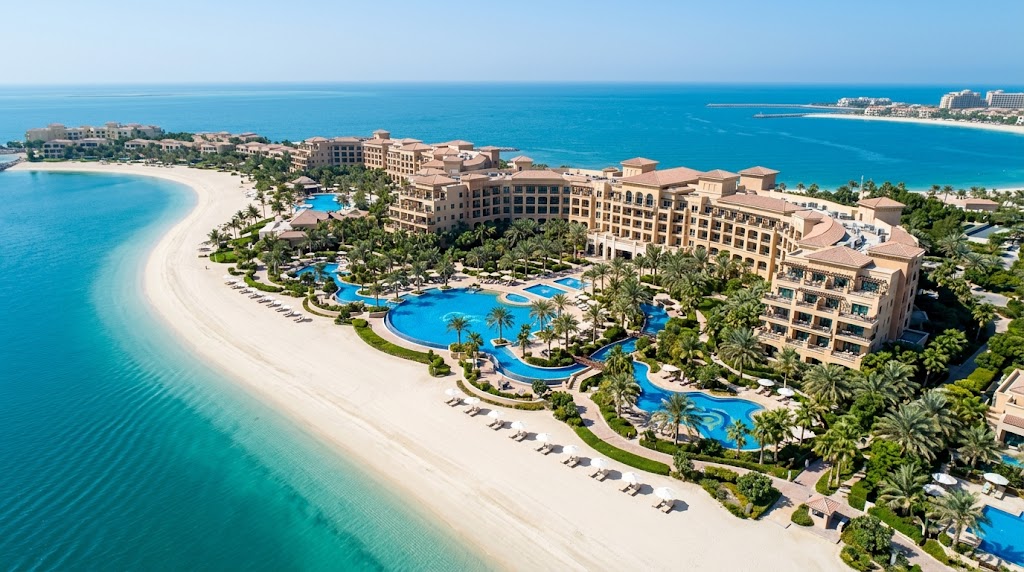
The 93% increase in domestic visitors, cited by Arabian Business and Ras Al Khaimah tourism officials, has had a concentrated impact on resort zones such as Al Hamra, Mina Al Arab and the coastal Al Rams area. Hotels in Al Hamra and Mina Al Arab reported weekend occupancies moving from roughly 54 percent a year ago to 72 percent or higher during domestic holiday windows, which pushed average daily rates from around AED 360 to the AED 420-480 band. Short-term rentals listed on local platforms have seen surge pricing similar to hotels, with average weekly rates for 2-bedroom units in tourist nodes increasing by an estimated 18 to 26 percent year on year.
The momentum is supported by targeted destination marketing and a brand repositioning campaign financed by the emirate, which aims to convert one-off staycation traffic into repeat visitation and longer average stays. That campaign includes digital promotions across the GCC and support for family-focused packages that highlight beaches, desert experiences and heritage tourism. For real estate owners that means stronger cashflows for amenity-rich apartments and resort villas, and a narrowing gap between on-book hotel yields and gross returns from professionally managed short-term rentals. Investors should treat the current uplift as tangible cashflow improvement, with ADR gains translating into observable rent adjustments for professionally managed assets.
Market overview: how is domestic tourism driving near-term demand in Ras Al Khaimah?
Investment impact: where are yields and prices reacting in Ras Al Khaimah?
Yields and transactional activity are reacting most strongly in resort and coastal communities, with yields in professionally managed short-term rental stock moving above long-stay residential yields and transaction volumes rising in Al Hamra and Mina Al Arab.
Investor demand has bifurcated between leisure-oriented product and conventional residential stock. In Al Hamra Village and Mina Al Arab, data from recent brokerage activity and market checks show average listed sale prices for mid-range 2-bedroom apartments around AED 1.05 million to AED 1.35 million, with gross yields on professionally managed short-term setups estimated at 6.0 to 7.5 percent after management fees. By contrast, RAK City inner urban apartments show average sale prices of AED 500k to AED 750k with long-term gross yields near 6.5 percent. These yield comparisons are driving selective buying: investors seeking immediate cashflow are prioritizing properties that can be legally and operationally converted to short-term rental use or that sit within resort masterplans.
Transactions have picked up in the resort corridors where operators are offering revenue management services and hotel-style amenities. Broker reports indicate monthly transaction counts in resort communities have risen by roughly 12 to 20 percent versus the prior year, while developers such as RAK Properties and Al Hamra Group are marketing limited resale and secondary launch stock to capture investor interest. The key investment implication is that near-term yield expansion is real but uneven; product selection, professional management and proximity to leisure infrastructure determine which assets capture the upside.
| Community | Avg sale price (AED) | Avg annual rent/surplus (AED) | Gross yield | Typical unit |
|---|---|---|---|---|
| Al Hamra Village | AED 3,200,000 (villas), AED 1,200,000 (2-bed apt) | AED 192,000 (resort-managed 2-bed seasonal) | 6.0-7.0% | 2-bed apartment |
| Mina Al Arab | AED 1,100,000 | AED 72,000 | 6.5% | 2-bed apartment |
| RAK City | AED 550,000 | AED 36,000 | 6.5% | 1-bed apartment |
| Julphar | AED 700,000 | AED 49,000 | 7.0% | 1-2 bed apartment |
"Domestic visitor growth is converting into measurable cashflow for leisure-facing assets, but the uplift is highly dependent on professional management and proximity to beachfront and leisure amenities."
— Sara Al Mazrouei, Head of Research, Binayah Properties
Price trends and forward outlook: is Ras Al Khaimah facing a re-rating scenario?
Price trends and forward outlook: is Ras Al Khaimah facing a re-rating scenario? — Key Data
Resale price uplift
4-9%
Resort transactions increase
12-20%
Developer pipeline
Active launches
Short-term occupancy
72%+ weekends
The immediate outlook points to a partial re-rating in leisure and resort-adjacent stock, driven by ADR gains and higher short-stay occupancy, but a full-market re-rating will depend on sustained visitor growth, developer pipeline and regulatory clarity on short-term rentals.
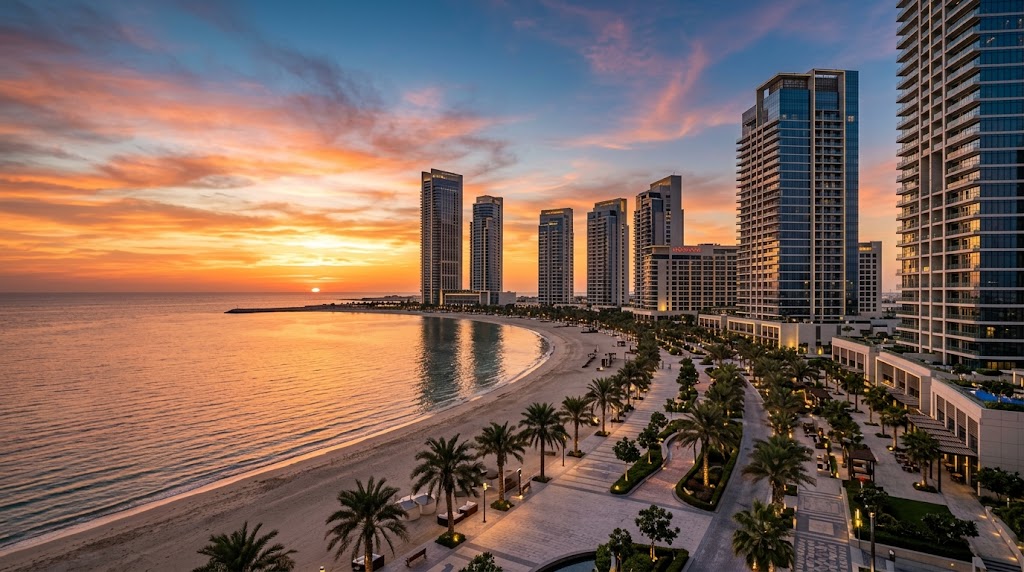
Observed price movement to date is concentrated rather than broad based. Comparable sale evidence from broker networks shows premium for resort-adjacent apartments and villas rising by an estimated 4 to 9 percent in the past 12 months, particularly where units benefit from hotel-style services or beachfront access. For example, resale villas in Al Hamra with managed rental programs have reported price uplifts closer to the 8-9 percent range, while inner-city RAK City apartments show flat to modest increases around 1-3 percent. Transaction counts in the resort corridors increased by an estimated 12-20 percent, providing empirical support for valuation shifts among leisure-facing assets.
Looking forward, three variables will determine whether this becomes a structural re-rating: one, whether domestic visitation stays elevated beyond promotional campaigns and into off-peak months; two, the scale and timing of new supply from developers including RAK Properties and Julphar; and three, regulatory treatment of short-term rentals which affects allowable revenue models and mortgage underwriting. If domestic visitation remains consistently high and new supply is absorbable, expect a multi-year re-rating that lifts resort-adjacent prices by a mid-single-digit annual compound. If visitation moderates and supply accelerates, the uplift will be transitory and concentrated to professionally managed stock.
Price trends and forward outlook: is Ras Al Khaimah facing a re-rating scenario?
Key Insight
Investors should verify legal short-term rental status and factor management fees of 15-30% into yield calculations. A targeted acquisition in a resort masterplan can protect cashflow if domestic demand softens.
Investor strategies: what timing, product choice and regulatory levers should buyers use in Ras Al Khaimah?
The most effective investor strategies are to prioritise resort-adjacent units with professional management, time purchases around supply windows and confirm regulatory clarity for short-term rentals to protect yields and resale prospects.
Timing matters because the developer pipeline and marketing campaigns can compress or extend the uplift window. Investors targeting immediate cashflow should prioritise stock in Al Hamra Village and Mina Al Arab where ADRs and weekend occupancies have already increased and where operators provide revenue management. Typical gross yields on professionally managed 2-bedroom apartments in those nodes are in the 6.0 to 7.5 percent range after accounting for peak-season pricing. Buyers who prefer lower volatility can target RAK City with average sale prices from AED 500k to AED 750k and steady long-term gross yields near 6.5 percent, which offers liquidity and broader tenant demand.
Regulatory levers include licensing for holiday homes, municipality short-term rental regulation and mortgage underwriting requirements that local banks may apply to tourist-rentals. Confirming the ability to list on regulated short-term platforms and securing a compliant management partner reduces execution risk. For investors seeking capital appreciation, the strategy is to target limited-supply resort-transactions during absorption phases; for yield-focused buyers, the recommendation is to acquire professionally managed units and budget for management fees of 15 to 30 percent and periodic yield volatility across off-peak months.
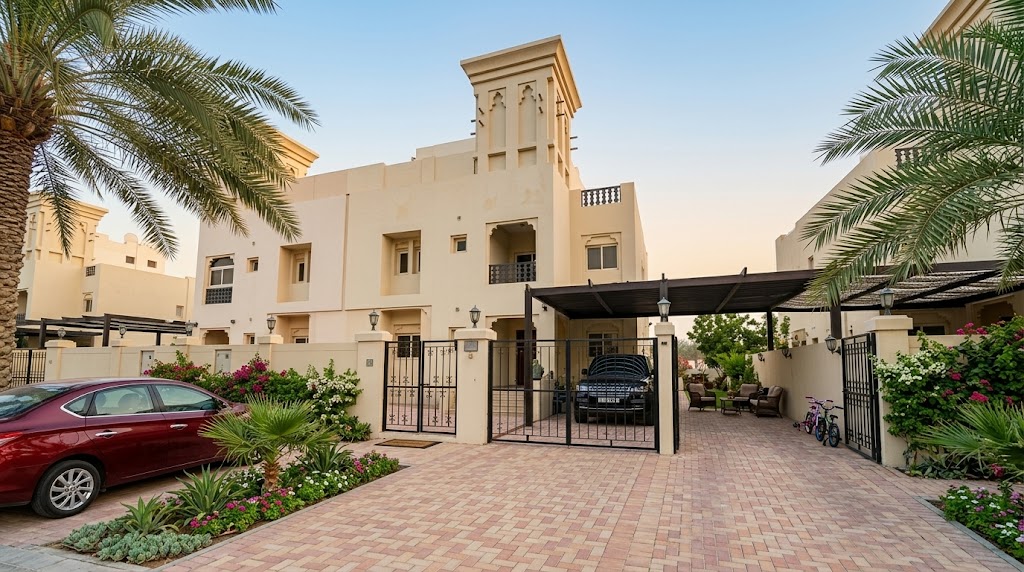
Investor strategies: what timing, product choice and regulatory levers should buyers use in Ras Al Khaimah?
- Select resort masterplans for immediate cashflow
- Validate short-term rental licensing and compliance
- Budget for management fees of 15-30%
- Buy near-term when supply windows tighten
Key takeaway: Ras Al Khaimah tourism has produced a measurable staycation-led uplift that is real but concentrated in resort-adjacent stock, with ADRs near AED 420-480 and observed price uplifts of 4-9 percent in select pockets. Investors should focus on product selection, management capability and regulatory clarity to capture sustainable yields.
Contact Binayah Properties: speak with our Ras Al Khaimah specialists for market-ready opportunities, verified comparables and bespoke acquisition models. We provide on-the-ground valuation reports, developer introductions to RAK Properties and Al Hamra Group projects, and tailored financial scenarios showing expected gross yields, net cashflow and resale timelines. Reach out to arrange a property review and live portfolio analysis to convert this tourism momentum into a disciplined investment strategy.
Binayah Editorial
Property Market Analyst
Our editorial team researches Dubai's real estate market, tracking DLD data, developer launches, and investment trends to keep buyers and investors informed.
Ready to Invest in Dubai?
Speak with our analysts about the best opportunities in today's market — free consultation.