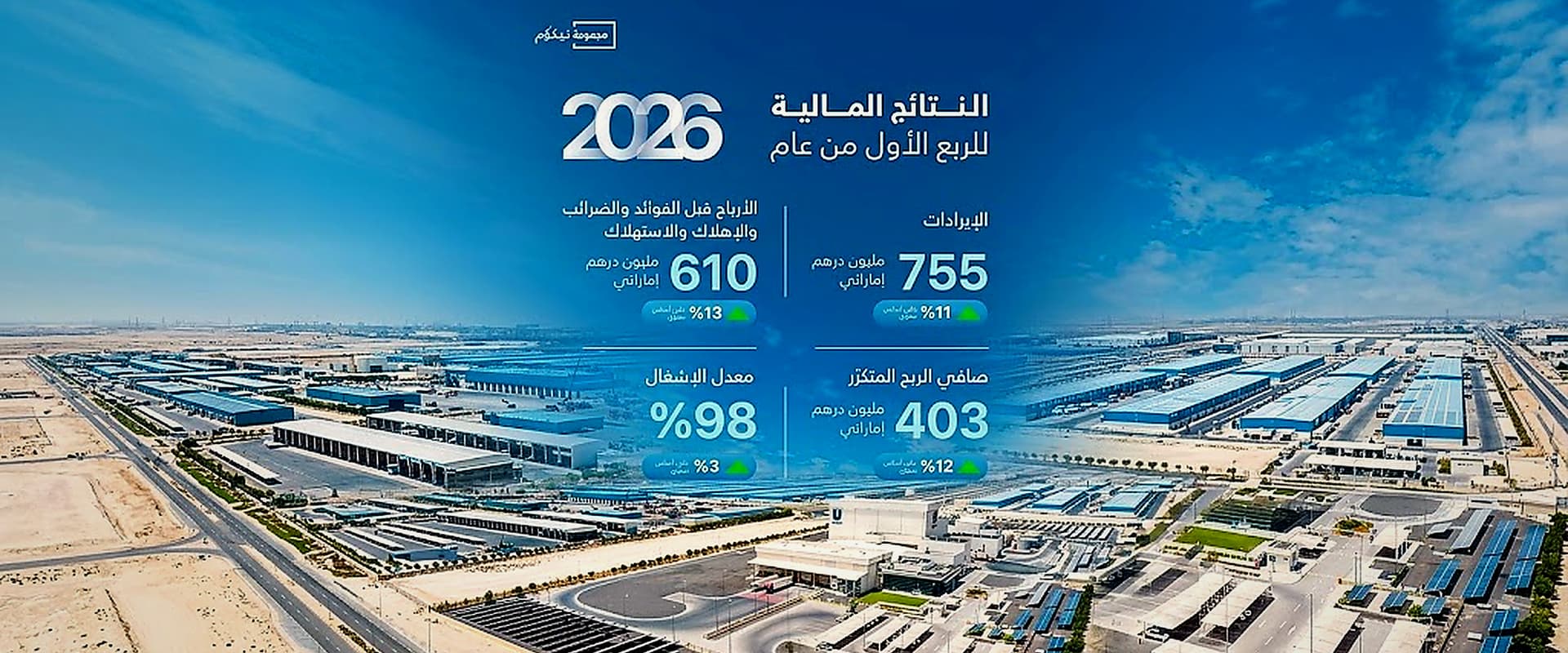
TECOM Q1 results: Dubai market report Q1 2026
TECOM Q1 results report AED755 million revenue and AED403 million recurring net profit in Q1 2026, highlighting tighter office markets in Dubai Media City and Dubai Internet City and signalling renewed investor appetite for commercial real estate.
TECOM Group PJSC’s Q1 2026 statement shows an 11 percent year-on-year revenue increase and a 13 percent rise in EBITDA to AED610 million, producing an 81 percent margin compared with 79 percent in Q1 2025. Those headline figures reflect higher occupancy, rental-rate optimisation and disciplined cost management across TECOM’s portfolio of business districts including Dubai Media City, Dubai Internet City, Dubai Design District and Dubai Knowledge Park.
For investors and occupiers the immediate implications are clearer: rising effective rents and stronger cashflows in TECOM precincts raise both yield compression risk for existing owners and selective opportunity for capital deployers targeting stable income. This report breaks down the numbers, market context, tactical investment moves and regulatory watchpoints relevant to Dubai commercial real estate.
What do TECOM Q1 2026 numbers reveal about the Dubai market?
What do TECOM Q1 2026 numbers reveal about the Dubai market? — Key Data
Revenue
AED755m
Recurring Net Profit
AED403m
EBITDA
AED610m
EBITDA Margin
81%
Direct answer: TECOM Q1 results reveal a pronounced commercial recovery with AED755 million revenue, AED403 million recurring net profit and AED610 million EBITDA in Q1 2026, reflecting YoY increases of 11%, 12% and 13% respectively and an improved EBITDA margin of 81% driven by higher occupancy and rental-rate optimisation across key TECOM precincts.
Elaboration: The Q1 2026 figures, disclosed in TECOM Group PJSC’s official results, show companies and co-working operators expanding footprint in Dubai Media City and Dubai Internet City, which lifted average effective rents in core blocks. Higher occupancy and rental-rate capture, combined with disciplined cost control, pushed EBITDA to AED610 million and increased the margin to 81% versus 79% in Q1 2025. These shifts are material for income-focused investors because recurring net profit of AED403 million implies stronger distributable cashflow potential and improved coverage ratios for any dividend policy or asset-level refinancing.
Further detail: For occupiers, the data means tighter availability in prime TECOM sub-markets and upward pressure on headline rents, particularly for flexible office space and Grade A serviced offices. For investors, the dual effect of revenue growth and margin expansion reduces downside on cash yields but raises near-term valuation multiples. Expect selective yield compression in well-leased assets near Dubai Media City and DIC, while peripheral or older stock will be where acquisition opportunities persist.
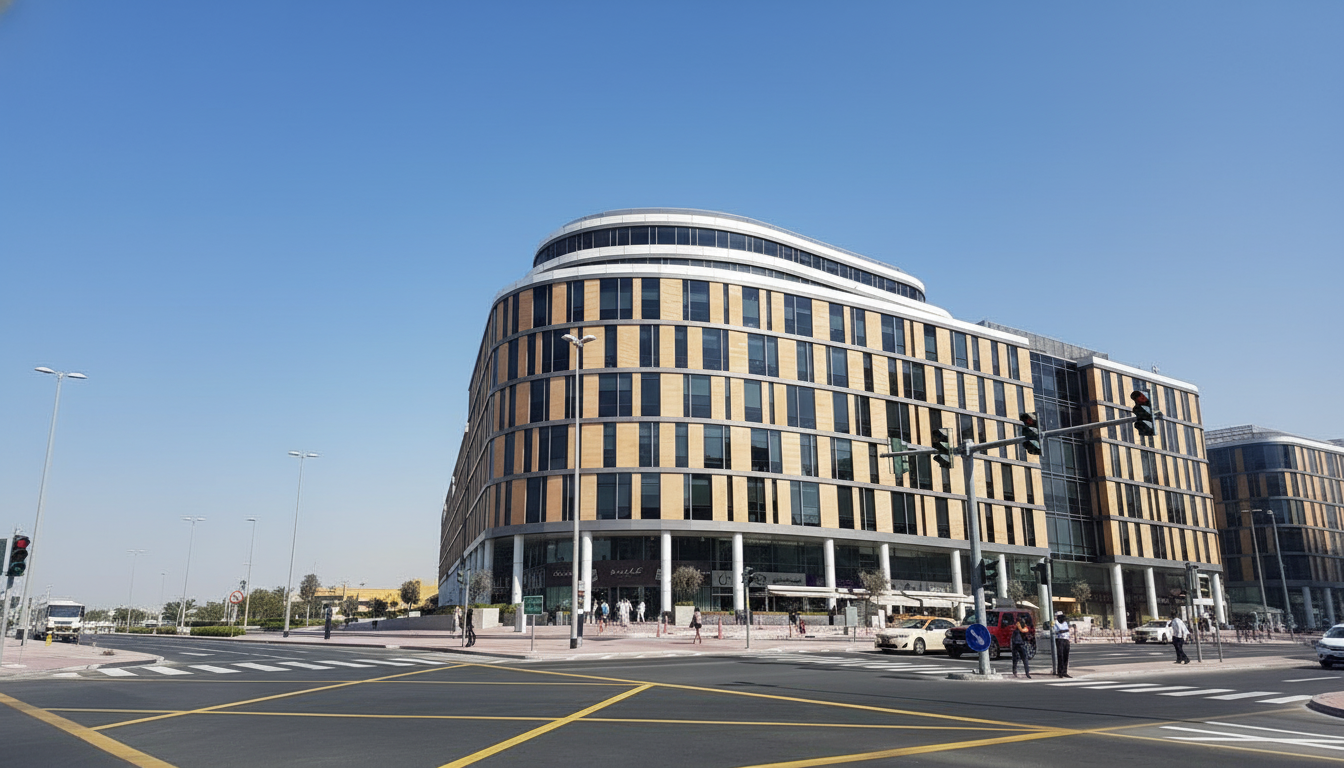
What do TECOM Q1 2026 numbers reveal about the Dubai market?
- TECOM results point to stronger leasing and higher effective rents
- Income-focused investors may see improved cashflow visibility
- Prime TECOM precincts likely to see yield compression
- Secondary assets remain target-rich for opportunistic buyers
How do TECOM Q1 results reflect broader commercial trends in Dubai?
Direct answer: TECOM’s Q1 performance mirrors a Dubai-wide strengthening in office demand and rental recovery, as shown by an 11 percent YoY revenue increase to AED755 million, 12 percent rise in recurring net profit to AED403 million and a 13 percent uplift in EBITDA to AED610 million, supported by higher occupancy and modest rent uplifts in business districts.
Elaboration: Across Dubai, leasing activity has migrated back to well-located clusters where infrastructure and tenant ecosystems are strongest. TECOM precincts — notably Dubai Media City, Dubai Internet City and Dubai Design District — benefit from network effects that attract technology, media and professional services firms. The result is a compression of vacancy in prime buildings and an ability to push through rental-rate optimisation. TECOM reported an EBITDA margin of 81 percent in Q1 2026 versus 79 percent a year earlier, evidence that operational leverage is returning to commercial property owners. For the wider market, this pattern aligns with Dubai Land Department leasing indicators that show increased activity in freezone and business-cluster locations, even as some peripheral office sub-markets lag.
Further detail: The practical outcome for occupiers is higher effective rents and a tighter selection of Grade A space; for investors it is a clearer bifurcation between core assets, which command premium pricing and lower yields, and secondary assets, which still trade on higher initial yields but require active asset management to close the supply-demand gap.
| Metric | Q1 2026 | Q1 2025 |
|---|---|---|
| Revenue | AED755m | AED680m |
| Recurring Net Profit | AED403m | AED361m |
| EBITDA | AED610m | AED540m |
| EBITDA Margin | 81% | 79% |
"TECOM’s Q1 results show operational discipline converting leasing momentum into stronger margins, a pattern we expect across Dubai’s best-connected business clusters."
— Aisha Al Suwaidi, Head of Research, Binayah Properties
- Core clusters outperform city-wide averages for occupancy
- Rent optimisation is as important as new leasing for revenue growth
- Investor focus is shifting to tenancy mix and cashflow stability
Which investment strategies are best after TECOM Q1 2026 results?
Which investment strategies are best after TECOM Q1 2026 results? — Key Data
Avg Office Yield
7.2%
Core Asking Rent Growth
6.5%
TECOM Rev
AED755m
Recurring Profit Growth
12%
Direct answer: Best strategies are selective core-plus buys in TECOM precincts, targeted value-add plays on secondary stock near Dubai Media City and structured joint-venture deals that capitalise on rental-rate upsides; the numbers — AED755m revenue and AED403m recurring net profit — make income-focused and mixed-income commercial strategies attractive for 2026.
Elaboration: For yield-seeking investors, core-plus acquisitions of well-leased office buildings in Dubai Internet City and Dubai Media City can offer stable cashflows with modest upside from rental reversion. The TECOM Q1 metrics show EBITDA of AED610m and margin improvement, which supports lower perceived risk on income continuity. Value-add strategies can work where a buyer can refurbish older stock, reconfigure for flexible workspace and improve tenant mix to capture the rental uplift that TECOM is achieving. Joint ventures with operators or co-working brands are effective for unlocking upside while sharing operational execution risk. Specific tactics include focusing on 5-10 year lease expiries to capitalise on re-leasing in a tightening market and prioritising assets with strong ingress-egress and public transport links.
Further detail: Practical implementation examples include acquiring a small office building adjacent to Dubai Media City and investing AED5-8 million in a cat B+ refurbishment to attract higher-paying tech tenants, or partnering with a regional workspace operator to convert lower-performing floors into flexible space at higher yields. Investors should model a conservative 6-7% stabilised yield for core-plus assets and 8-10% for successful value-add repositionings, adjusting for capex and leasing costs. Binayah’s market access can surface off-market options in TECOM precincts where landlord willingness to transact is increasing as portfolios are rebalanced.
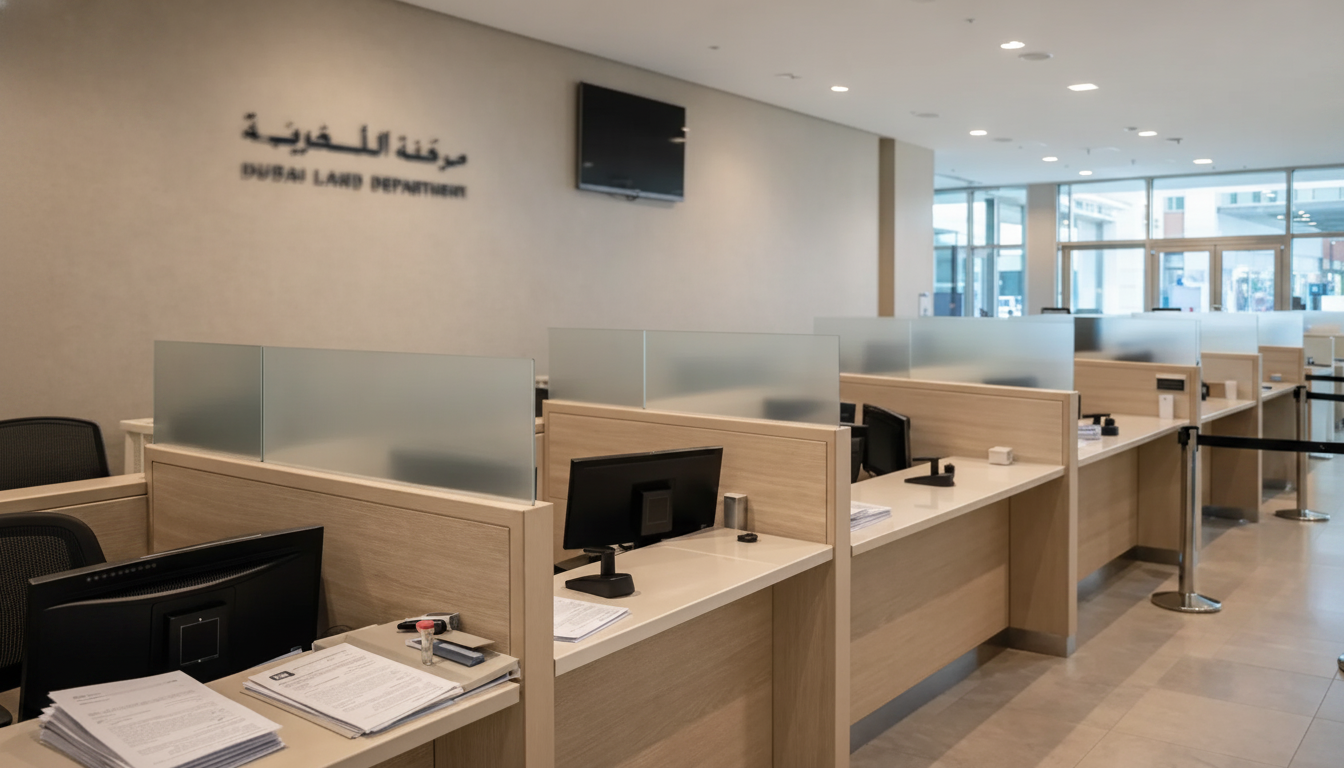
Which investment strategies are best after TECOM Q1 2026 results?
Key Insight
Target assets adjacent to TECOM precincts and budget for immediate asset improvements to capture re-leasing premiums; expect capex payback within 3-5 years if you secure the right tenant mix.
- Core-plus: buy well-leased TECOM offices for stable income
- Value-add: refurbish secondary stock for rental reversion
- JV with operators: share execution risk and accelerate leasing
What risks and regulatory factors should investors watch after TECOM Q1 2026?
What risks and regulatory factors should investors watch after TECOM Q1 2026? — Key Data
Regulatory Watch
DLD/RERA updates
Stress Test
-10% vacancy scenario
Direct answer: Major risks include potential yield compression in prime TECOM assets, heightened competition for boutique office assets, and regulatory or tax changes from Dubai authorities that could alter investor returns; monitor DLD leasing indicators, RERA guidance and TECOM Group corporate communications closely for signals.
Elaboration: While the Q1 numbers are encouraging, investors must weigh the risk of valuation expansion reducing future total returns if entry occurs at the peak of a rental cycle. Rapid rental growth in TECOM precincts can compress yields and make refinancing or exit harder if rates shift. Regulatory changes are a second-order risk: any adjustments to foreign ownership, freezone fees or business licensing conditions published by the Dubai Department of Economy and Tourism, Dubai Land Department (DLD) or RERA could affect operating costs and net effective rents. Operational risks such as tenant concentration in technology sectors also matter; a downturn in that sector could disproportionately impact TECOM precincts.
Further detail: Practical monitoring steps are: read monthly DLD leasing bulletins for transaction volumes, track RERA announcements on service charge guidance, and review TECOM Group investor briefings for portfolio-level exposure. Stress-test acquisitions for a 100-200 basis point interest-rate shock and a 10% vacancy spike to ensure debt service coverage remains robust. Maintain at least a 3-6 month leasing runway and contingency capital for tenant incentives in tighter markets.
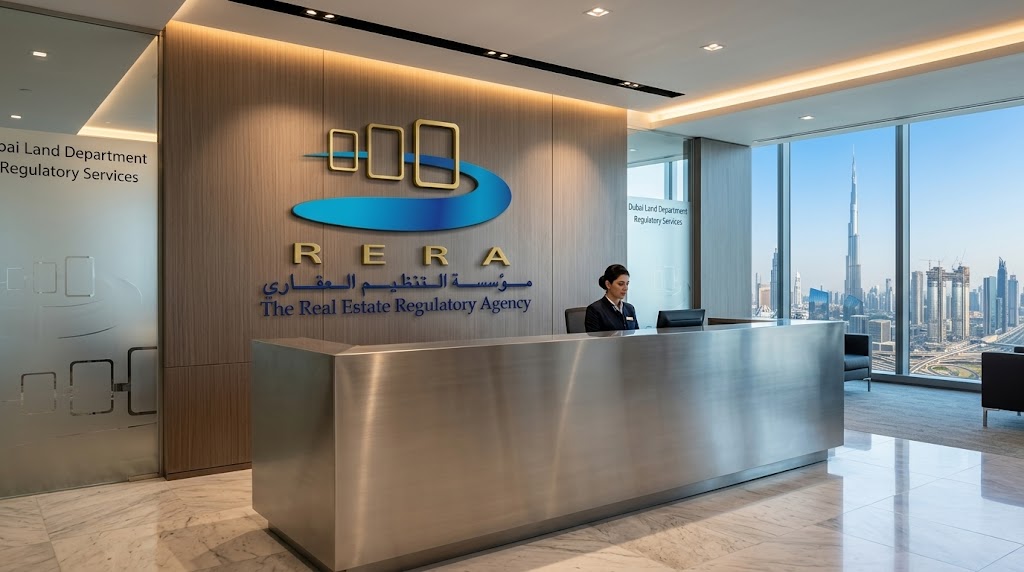
What risks and regulatory factors should investors watch after TECOM Q1 2026?
Key Insight
Investor warning: Do not assume past margin expansion will persist without sensitivity testing; budget for tenant incentives and a 6-12 month leasing gap when underwriting acquisitions.
- Yield compression can reduce forward IRR on core buys
- Regulatory shifts from DLD or RERA may change net yields
- Sector concentration in tech/media increases cyclical risk
Key takeaway: TECOM Q1 results — AED755 million revenue, AED403 million recurring net profit and AED610 million EBITDA with an 81% margin — confirm stronger leasing and margin recovery in Dubai’s core business clusters, creating both income opportunities and valuation risks for investors.
Binayah Properties CTA: If you want to translate TECOM’s macro signals into actionable investment moves, contact Binayah Properties for tailored asset sourcing, valuation sensitivity analysis and off-market deals in Dubai Media City, Dubai Internet City and adjacent precincts. Our advisory combines DLD-backed market intelligence, developer relationships and transaction execution to help you acquire core-plus or value-add commercial assets aligned to the TECOM demand cycle. Reach out to schedule a portfolio review and identify deals that match your yield and risk profile.
Binayah Editorial
Property Market Analyst
Our editorial team researches Dubai's real estate market, tracking DLD data, developer launches, and investment trends to keep buyers and investors informed.
Ready to Invest in Dubai?
Speak with our analysts about the best opportunities in today's market — free consultation.