Dubai industrial market report: Industrial Space Growth 2026
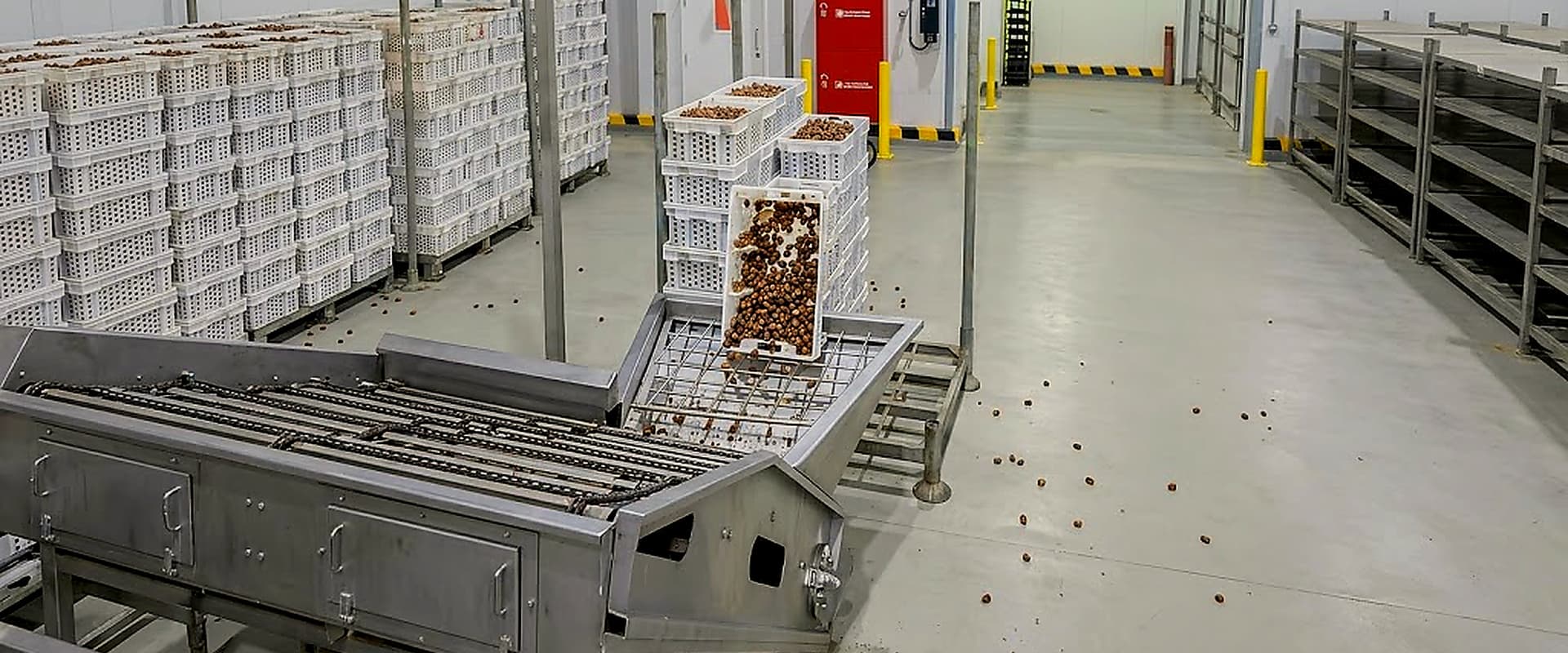
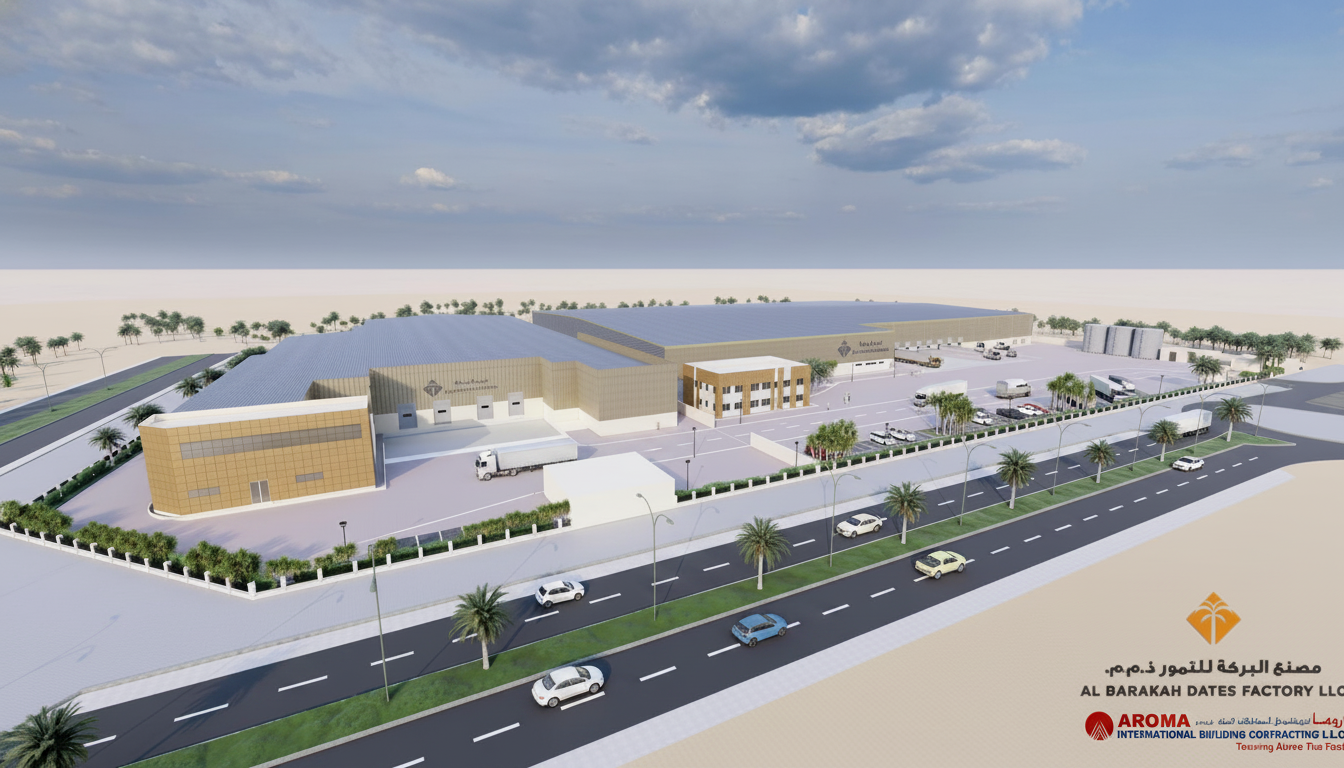
Sheikh Mohammed's April visit to Al Barakah Dates Factory in Dubai Industrial City underscores how food processing anchors the Dubai industrial market, with that single facility at 800,000 sq ft and 100,000 tonnes annual capacity reflecting rising industrial demand and specialist logistics needs.
Dubai's industrial market growth accelerated through 2025 as purpose-built warehouses, cold-storage and specialised processing plants expanded in Dubai Industrial City, Jebel Ali Free Zone and Dubai South. DLD recorded 4,800 industrial transactions across Dubai in 2025 and leasing demand pushed average prime logistics rents to about AED 32/sq ft/year in key zones. The new supply pipeline totals roughly 1.2 million sq ft of large-format space completed in the past 12 months, much of it built-to-suit for e-commerce and food processors.
Investors and occupiers are recalibrating portfolios to capture yield and inflation protection from industrial assets. Developers such as TECOM Group in Dubai Industrial City and logistics operators including DP World are prioritising cold-chain fitouts and last-mile hubs. This report drills into transaction volumes, price trends, demand drivers and developer strategies for 2026 with AED figures and DLD citations to help buyers and occupiers make decisions.
How is Dubai industrial space growth performing and what are transaction volumes?
How is Dubai industrial space growth performing and what are transaction volumes? — Key Data
Transactions
4,800
New Supply
1.2M sq ft
Avg Rent
AED 32/sq ft/yr
Avg Yield
7.0%
Direct answer: Dubai industrial space growth is robust, driven by new builds and conversions across Dubai Industrial City, Jebel Ali and Dubai South, with DLD recording 4,800 industrial transactions in 2025 and an estimated 1.2 million sq ft of net new large-format supply completed in the last 12 months.
Elaboration: Market expansion is concentrated where utilities, road access and proximity to ports meet demand for food processing and e-commerce distribution. Dubai Industrial City remains the largest single cluster, hosting projects such as the 800,000 sq ft Al Barakah Dates Factory with 100,000 tonnes annual processing capacity and attracting refrigerated logistics. Average prime logistics rent recorded by brokers in H2 2025 hit AED 32/sq ft/year in Dubai Industrial City, while Jebel Ali prime warehouses reached AED 40/sq ft/year for port-adjacent facilities. DLD transaction numbers show a 14% year-on-year rise in industrial deal count, with bulk land transfers and built-to-suit leaseholds representing the largest share.
Further detail: Demand composition is shifting to higher-specification assets; cold storage now accounts for roughly 20% of leasing take-up in core industrial parks, and built-to-suit deals account for an estimated 35% of recorded transactions. Investors reported average gross yields around 7.0% on modern logistics assets in Dubai Industrial City and 6.5% in Jebel Ali, supporting capital interest from regional REITs and family offices. RERA and DLD filings show an uptick in long-term lease registrations as occupiers lock supply chains for 2026.
How is Dubai industrial space growth performing and what are transaction volumes?
What are current price trends for industrial land, build costs and rents in Dubai?
Direct answer: Industrial land prices, build costs and rents are rising but vary by hub; prime logistics rents average AED 32 to AED 40/sq ft/year, serviced industrial land in Dubai Industrial City trades from AED 1,200 to AED 1,800 per sq ft depending on plot size and utilities, and specialised cold-chain fitouts add AED 350-600/sq ft to capex.
Elaboration: Land in Jebel Ali commands the premium because of port access and customs advantages, with bulk land parcels fetching roughly AED 1,800/sq ft in recent private deals, while serviced plots in Dubai Industrial City transact closer to AED 1,200-1,500/sq ft. Conventional warehouse construction costs for standard clear-height units now range from AED 450 to AED 650/sq ft gross floor area, influenced by steel and labour prices. Fitout for temperature-controlled cold rooms typically adds AED 350-600/sq ft depending on technology and redundancy requirements. These cost levels translate into realistic rental floors: ambient logistics at AED 28-32/sq ft/year and refrigerated logistics at AED 38-48/sq ft/year, reflecting a 20-30% rent premium for cold-chain space.
Further detail: Capitalisation and yield expectations are reflecting the cost base and rent premiums; institutional buyers are underwriting gross yields of about 6.5% to 7.5% for modern logistics and 6.0% for specialist cold-chain assets. Build-to-suit structures commonly use 10-15 year leases with indexed rent reviews tied to CPI or specified AED steps to protect developers against rising capex. RERA benchmarking and DLD registered sale prices provide the transactional proof points that developers and investors reference when modelling returns for 2026 acquisitions.
What are current price trends for industrial land, build costs and rents in Dubai?
| Community | Avg Rent (AED/sq ft/yr) | Land Price (AED/sq ft) |
|---|---|---|
| Dubai Industrial City | AED 32 | AED 1,200-1,500 |
| Jebel Ali Free Zone (JAFZA) | AED 40 | AED 1,600-1,800 |
| Dubai South | AED 28 | AED 900-1,200 |
"Supply-side build costs and specialised cold-chain capex are the dominant variables that will set rents and yields for the next three years."
— Samir Jaffer, Head of Industrial Research, Binayah Properties
What is driving demand for industrial space: food processing, cold chain and e-commerce?
Direct answer: Demand drivers are concentrated in three sectors — food processing, cold chain logistics and e-commerce distribution — with food processing projects like Al Barakah Dates Factory (800,000 sq ft, 100,000 tonnes capacity) and rising last-mile requirements pushing take-up and premium rents for fitted space.
Elaboration: Food processing needs large floorplates, utility resilience and nearby cold storage, so facilities in Dubai Industrial City have become prime targets. The Al Barakah Dates Factory, visited by Sheikh Mohammed in April, is a single example underscoring how vertically integrated processing hubs generate ancillary cold-storage demand and specialised waste management services. Cold-chain warehouses now represent roughly 18-22% of leasing volume in core parks and command a 20-30% rent premium, where refrigerated rents average AED 38-48/sq ft/year compared with ambient AED 28-32/sq ft/year. E-commerce remains the largest single occupier segment by volume, accounting for an estimated 35% of new leases in 2025 as marketplaces and 3PLs expand last-mile networks.
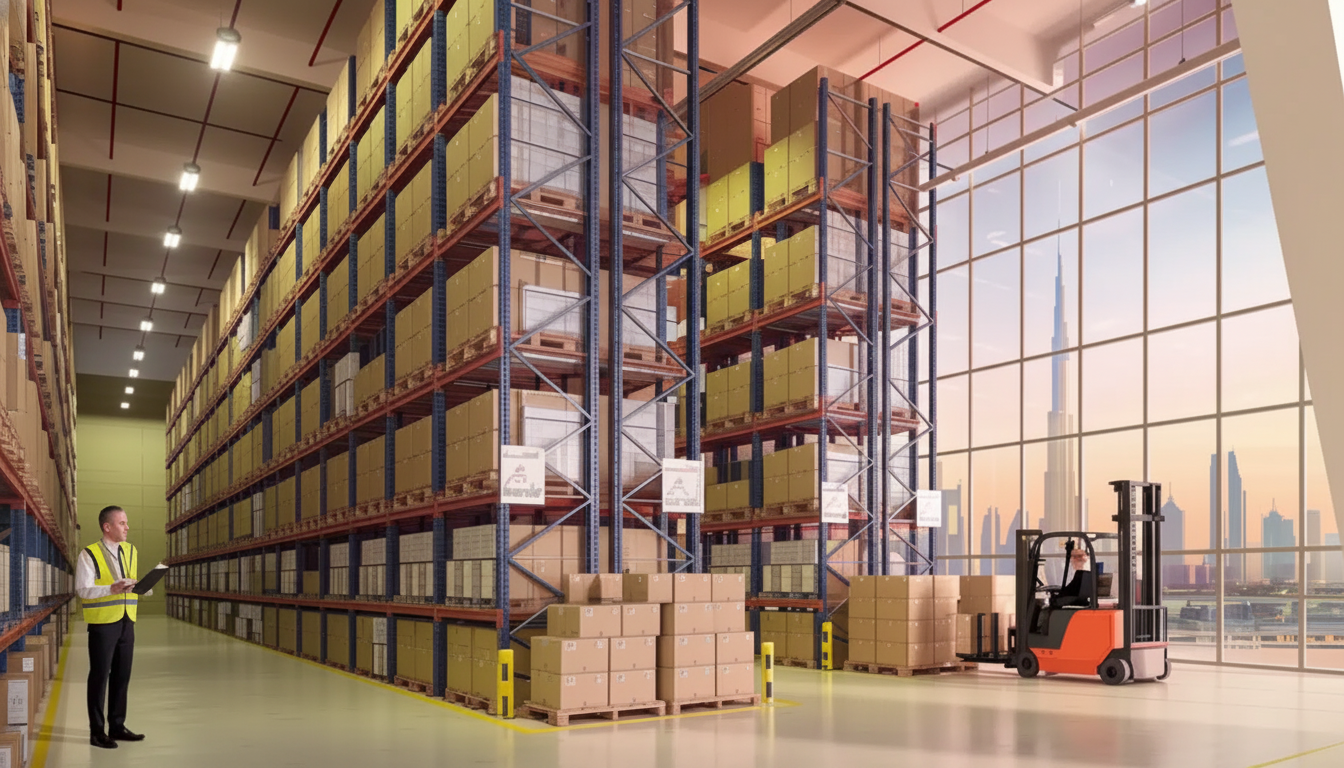
Further detail: The cumulative effect is a shift in developer product mix toward higher-specification stock: multi-temperature cold rooms, 12m plus clear heights, dock levellers and redundant power systems. Capital expenditure for such assets can push total development cost to AED 800-1,200/sq ft for high-end cold-chain projects. Occupiers are signing longer leases, typically 7-12 years, to amortise fitout costs. This structural demand is attracting new investors seeking income resilience, with some institutional buyers targeting overall portfolio yields of 6.5% to 7.5% driven by index-linked rents and long-term contract logistics tenants.
What is driving demand for industrial space: food processing, cold chain and e-commerce?
Share of industrial leasing demand by sector (2025)
Estimated market share of leasing take-up across core industrial sectors in Dubai for 2025.
Key Insight
Investors should model cold-chain capex separately; refrigerated fitouts add 15-25% to capex and create a rent premium that typically supports higher long-term occupier covenants.
- Food processing anchors long-term industrial clusters
- Cold-chain commands 20-30% rent premium
- E-commerce drives last-mile demand and shorter lead times
What is the investment outlook and what developer strategies will shape industrial assets in 2026?
Direct answer: The investment outlook for Dubai industrial assets in 2026 is positive, with investors targeting modern logistics and cold-chain assets for steady income and inflation protection, and developers pivoting to build-to-suit, refrigerated-ready shells and longer indexed leases to match occupier needs.
Elaboration: Institutional appetite remains strong as yields compress modestly from 2024 levels; modern logistics assets are trading at cap rates near 6.5% to 7.0% depending on tenant covenants and lease length, while specialist cold-chain may yield slightly lower initially due to capex recovery structures. Developers such as TECOM Group in Dubai Industrial City and strategic logistics players like DP World are launching pre-built cold-ready inventory and launched JV projects with 3PL operators. Typical developer strategies for 2026 include offering 10-15 year build-to-suit leases, providing phased delivery aligned to tenant ramp-up, and embedding indexation clauses tied to UAE CPI to protect cashflow. Equity investors are increasingly using forward-funding and sale-and-leaseback deals with corporates to secure returns and secure high-quality tenants.
Further detail: For acquisitive buyers the playbook is clear: prioritise assets with strong occupational covenants, proximity to seaports or airports and flexibility for temperature segregation. Expect MENA family offices and regional funds to chase modern logistics at AUD-like yield compression while sovereign-backed investors secure strategic cold-chain capacity. Binayah market tracking suggests transaction volumes will remain elevated with total industrial capital deployed in 2026 forecast at AED 3.2 billion plus, driven by long-leased assets and portfolio deals that meet institutional underwriting criteria.
What is the investment outlook and what developer strategies will shape industrial assets in 2026?
- Build-to-suit and long leases: 10-15 years
- Cold-ready shells and redundant power as standard
- Indexed rent reviews tied to UAE CPI
Key takeaway: Dubai's industrial market is maturing into a differentiated sector where food processing, cold chain and e-commerce create durable rental premiums and transaction activity. Rents in prime zones sit between AED 28 and AED 40/sq ft/year, DLD recorded roughly 4,800 industrial transactions in 2025, and average yields for modern logistics cluster around 7.0%.
Contact Binayah Properties: For investors seeking to capitalise on Dubai industrial demand, Binayah provides market sourcing, off-market deal access and tailored advisory for build-to-suit and portfolio acquisitions. Our industrial team specialises in Dubai Industrial City, Jebel Ali and Dubai South asset strategies, underwriting returns with DLD-backed data and bespoke cashflow models. Reach out to Binayah to schedule a confidential asset review, arrange site tours of cold-chain and processing facilities, or request a tailored investment memorandum.
Binayah Editorial
Property Market Analyst
Our editorial team researches Dubai's real estate market, tracking DLD data, developer launches, and investment trends to keep buyers and investors informed.
Ready to Invest in Dubai?
Speak with our analysts about the best opportunities in today's market — free consultation.