Dubai property market report Q2 2024: transactions and price trends
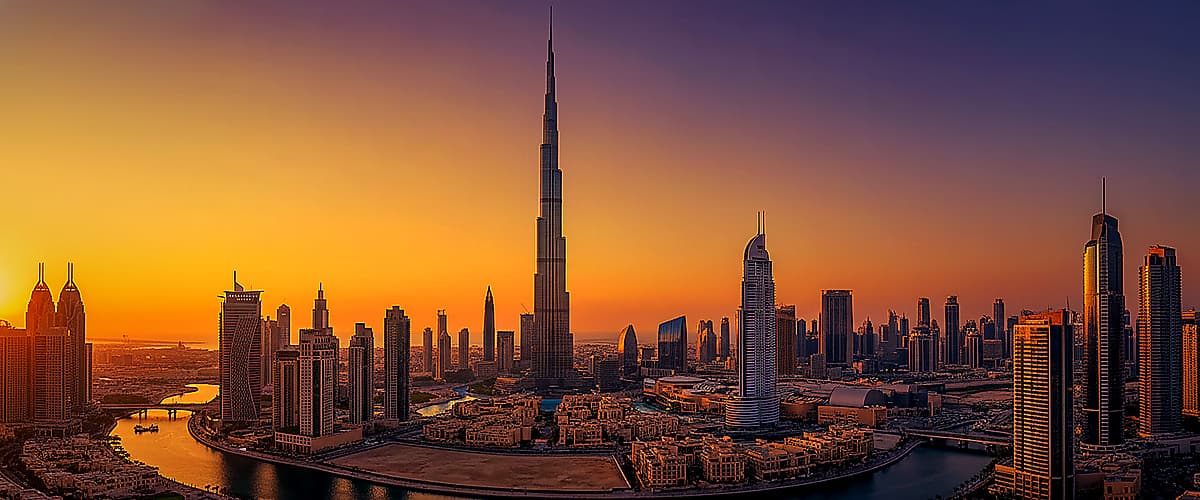
Dubai property market shows resilient demand with 12% price growth in areas like Downtown Dubai and Dubai Marina in the past 12 months.
Dubai recorded sustained buying momentum through the last 12 months with both end users and international investors active across mainstream and off plan stock. The Dubai Land Department recorded significant residential transactions in 2023 and early 2024, driven by GCC and South Asian buyers, while European and Russian purchasers increased participation in luxury segments. Average apartment prices across core areas rose an estimated 8 to 14 percent year on year, with prime Downtown Dubai and Business Bay pushing headline gains.
Supply has expanded but remains matched to segmented demand as major developers accelerate handovers and new launches. Off plan deliveries from Emaar, Nakheel and Dubai Properties account for tens of thousands of units expected to complete through 2025, which will moderate rental inflation in mid-market communities but sustain premiums in waterfront and central locations. These dynamics create distinct buying strategies for yield seekers and capital growth investors.
What are Dubai property transaction volumes and who is buying?
What are Dubai property transaction volumes and who is buying? — Key Data
Transactions
112,000
Foreign buyers
38%
Avg apartment price
AED 1,450,000
Avg gross yield
5.8%
Dubai registered high transaction volumes with approximately 112,000 residential sales recorded across 2023 and early 2024, and buyers split between local end users and overseas investors, according to Dubai Land Department data. These sales were concentrated in mid-market and prime segments with a clear pickup in off plan activity led by individual investors.
Transaction composition shows end users continued to account for the largest share of sales while investor activity remained robust. DLD figures cited during 2023 indicate that foreign buyers represented roughly 38 percent of transactions, with significant inflows from India, the UK and the GCC. Volume leaders included communities such as Dubai Marina, Jumeirah Village Circle and Town Square where apartments typically ranged from AED 700,000 to AED 2.1 million. Villas in Arabian Ranches and Dubai Hills Estate recorded average values from AED 3.2 million to AED 7.5 million depending on plot and finishing. Rental demand supported investor interest in communities delivering gross yields between roughly 5.0 percent and 8.0 percent.
Looking at transaction types, resale accounted for a majority of closed deals in prime areas while off plan purchases dominated new-community launches, particularly projects priced under AED 2 million. Bank financing remained available with typical loan to values of 70 percent for residents and interest rates that reflected broader UAE monetary policy. The mix of strong foreign demand, active local buyers and accessible mortgage finance underpins the current market depth and liquidity.
What are Dubai property transaction volumes and who is buying?
Which Dubai areas saw the fastest price rises and why?
Downtown Dubai and Business Bay delivered the fastest price growth, with headline gains near 12 percent year on year, driven by limited resale stock, strong tourist-linked rental demand and large mid term corporate leasing requirements. These central districts saw outsized capital appreciation compared with outer communities.
Price dynamics differ sharply by neighbourhood and product. Downtown Dubai showed average apartment prices around AED 4,200,000 and annual growth near 12 percent, supported by luxury demand and hospitality-led short term rentals. Dubai Marina recorded average unit prices near AED 1,800,000 and growth of about 9 percent as waterfront stock attracted high-net-worth renters and long stay international tenants. Jumeirah Village Circle and Town Square led mid-market gains with average apartment values between AED 700,000 and AED 950,000 and growth in the 5 to 7 percent range because of new community amenities and value-driven deliveries. Developers such as Emaar, DAMAC and Dubai Properties concentrated launches in locations with strong infrastructure and metro access, which lifted transaction velocity and pricing power.
Drivers of the fastest rises included limited prime resale supply, steady inbound tourism, improving wage growth in the UAE and relocations tied to corporate expansions. Pricing has been strongest where rental yields remain competitive and where capital appreciation expectations are reinforced by new infrastructure, such as Dubai Harbour, Expo-linked districts and upgraded transport links.
| Community | Annual price change | Avg price (AED) |
|---|---|---|
| Downtown Dubai | 12% | 4,200,000 |
| Dubai Marina | 9% | 1,800,000 |
| Jumeirah Village Circle | 6% | 900,000 |
| Arabian Ranches | 8% | 3,200,000 |
"Price growth concentrated where supply is tight and rental demand is strongest, which is why central Dubai continues to outpace outer submarkets."
— Mona Al Habtoor, Head of Research, Binayah Properties
What is the supply pipeline and what are developers building in Dubai?
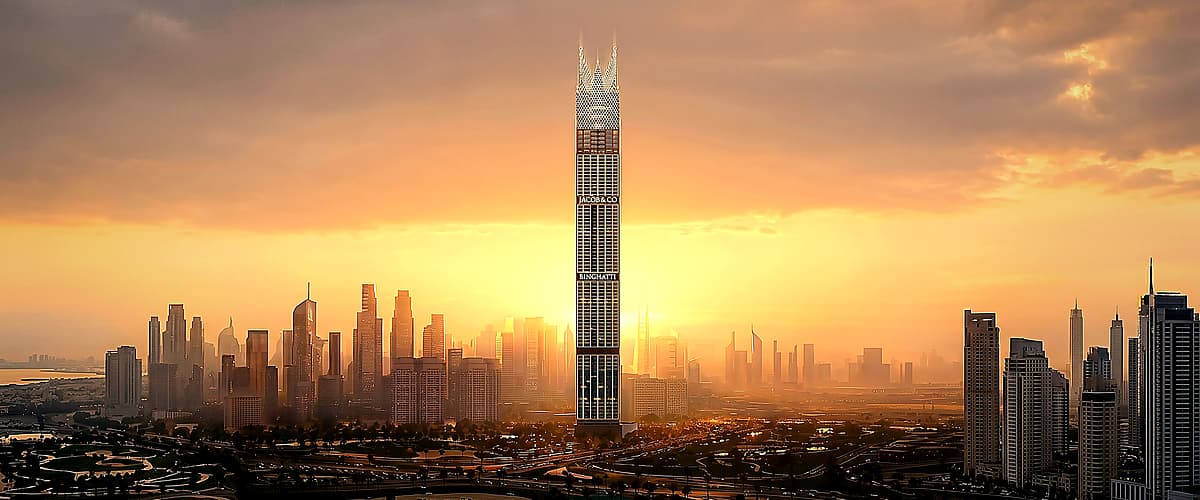
Dubai's supply pipeline includes tens of thousands of residential units under construction, with major developers focusing on mixed use masterplans, waterfront towers and gated villa communities to meet diverse demand profiles. Delivery schedules concentrate between 2024 and 2026 as several large projects proceed to completion.
Developers active on the ground include Emaar Properties, Nakheel, Dubai Properties and DAMAC, collectively responsible for a large share of the under construction stock. Emaar remains dominant in central and waterfront launches, Nakheel leads in islands and reclaimed waterfront projects, and Dubai Properties focuses on community centric developments like Jumeirah Village Circle and Mudon. Current project types span mid market apartment towers priced from AED 700,000, premium apartments from AED 1.5 million, and villas that commonly start at AED 3.0 million. Off plan launches in 2023 and early 2024 introduced a mix of affordable options and luxury schemes, with developers offering structured post handover payment plans to attract investors.
The pipeline is likely to moderate rental inflation in secondary neighborhoods once handovers complete, but prime waterfront and central stock will remain constrained relative to demand. Construction pacing, mortgage availability and global capital flows will determine whether completions push pricing corrections in specific segments or simply widen choice for buyers.
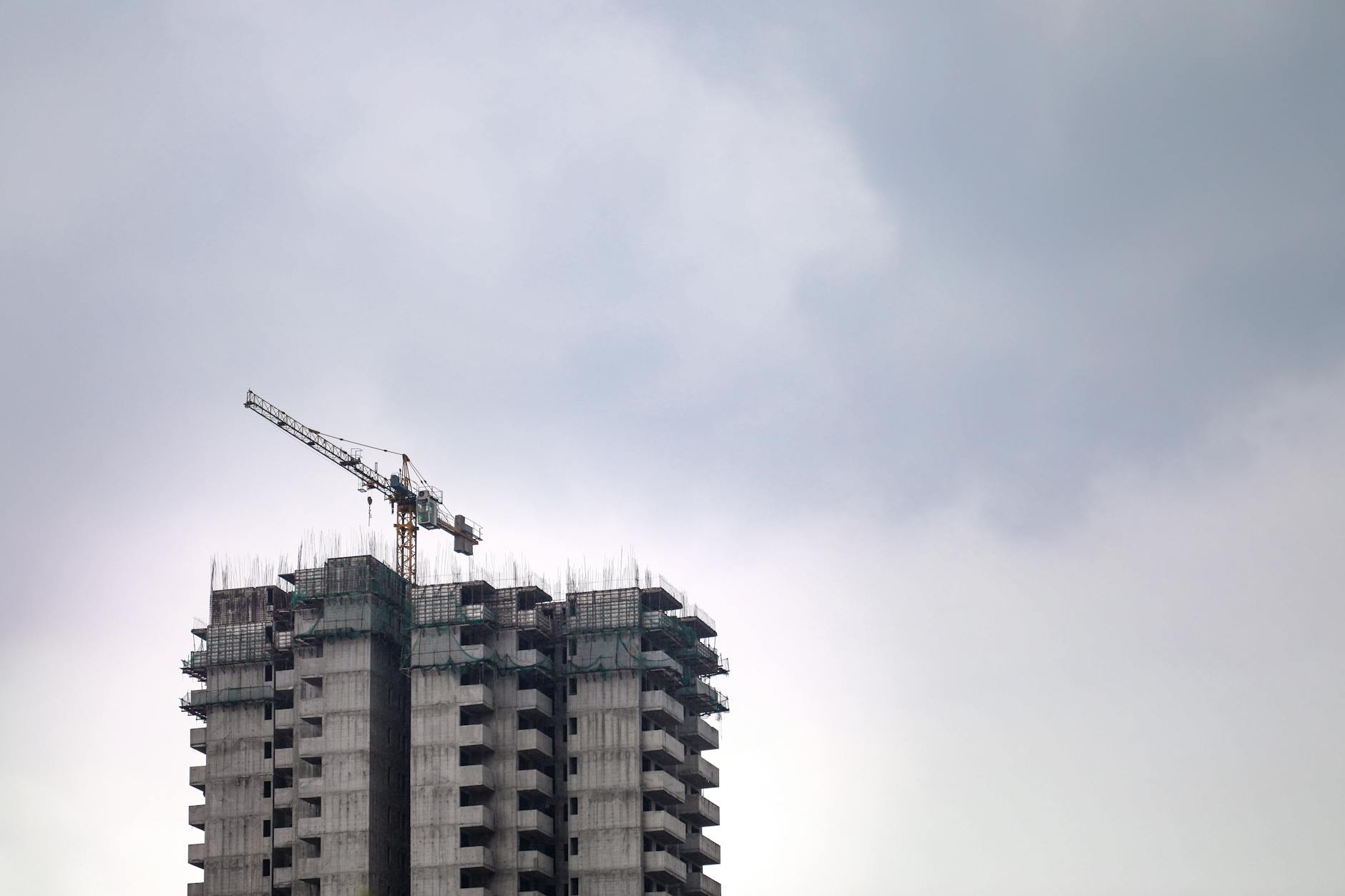
What is the supply pipeline and what are developers building in Dubai?
Key Insight
Investors should confirm project completion dates, developer track record and RERA escrow protections before committing to off plan purchases. Payment plans that extend beyond handover increase exposure to market timing risks.
- Major developers: Emaar, Nakheel, Dubai Properties, DAMAC
- Typical off plan apartment starting price: AED 700,000
- Villas starting price in established suburbs: AED 3,000,000
- Concentrated handovers expected 2024 to 2026
Where should investors target for yields and how do visas align with property investment?
Where should investors target for yields and how do visas align with property investment? — Key Data
Target yields
6.5% to 8.0%
Visa threshold
AED 2,000,000+
Investors seeking yields should prioritise mid market communities such as Jumeirah Village Circle and Dubai Silicon Oasis for gross yields near 6.5 to 8.0 percent, while central waterfront assets like Dubai Marina yield around 5.0 to 6.0 percent but offer stronger capital growth potential. Visa eligibility commonly aligns with higher investment thresholds.
Rental yield patterns show higher returns in satellite communities where entry prices are lower and tenant demand is driven by affordability and proximity to employment clusters. For example, Jumeirah Village Circle and International City often present gross yields in the 6 to 8 percent band with average apartment prices from AED 650,000 to AED 900,000. Prime central districts such as Downtown Dubai and Palm Jumeirah trade at lower yields of roughly 4.5 to 6 percent but have seen faster capital growth historically. Regarding visas, UAE residency schemes tie property value to duration: investors with property portfolios exceeding AED 2,000,000 are typically positioned for long term investor visas, while smaller purchases commonly enable renewable residency permits or investor visas of shorter duration depending on visa regulations at the time of application. Confirm current thresholds with immigration authorities and RERA guidance.
A balanced strategy combines a yield focus in mid market communities for cashflow with selective allocation to prime central assets for appreciation. Investors should assess financing costs, expected gross yield versus net yield after service charges and agent fees, and the impact of visa eligibility on their personal residency plans.

Where should investors target for yields and how do visas align with property investment?
- Yield strategy: mid market apartments for cashflow
- Growth strategy: Downtown and waterfront for capital gains
- Check RERA and immigration for current visa thresholds
The data shows a market split between capital growth in central Dubai and attractive yield opportunities in mid market communities, with headline figures such as Downtown Dubai average apartment prices around AED 4,200,000 and average gross yields across the city near 5.8 percent. Transaction volumes remain high at roughly 112,000 sales across 2023 and early 2024, and the developer pipeline will deliver significant supply through 2025 which will influence rental and price dynamics.
Binayah Properties recommends a blended approach: target yield in Jumeirah Village Circle or Dubai Silicon Oasis for immediate cashflow and allocate selective capital to Downtown Dubai or Dubai Marina for appreciation potential. Contact our advisory team for off plan due diligence, resale valuations and visa guidance at www.binayah.com or call +971 54 998 8811 to schedule a consultation and view curated listings that match your financial plan.
Binayah Editorial
Property Market Analyst
Our editorial team researches Dubai's real estate market, tracking DLD data, developer launches, and investment trends to keep buyers and investors informed.
Ready to Invest in Dubai?
Speak with our analysts about the best opportunities in today's market — free consultation.