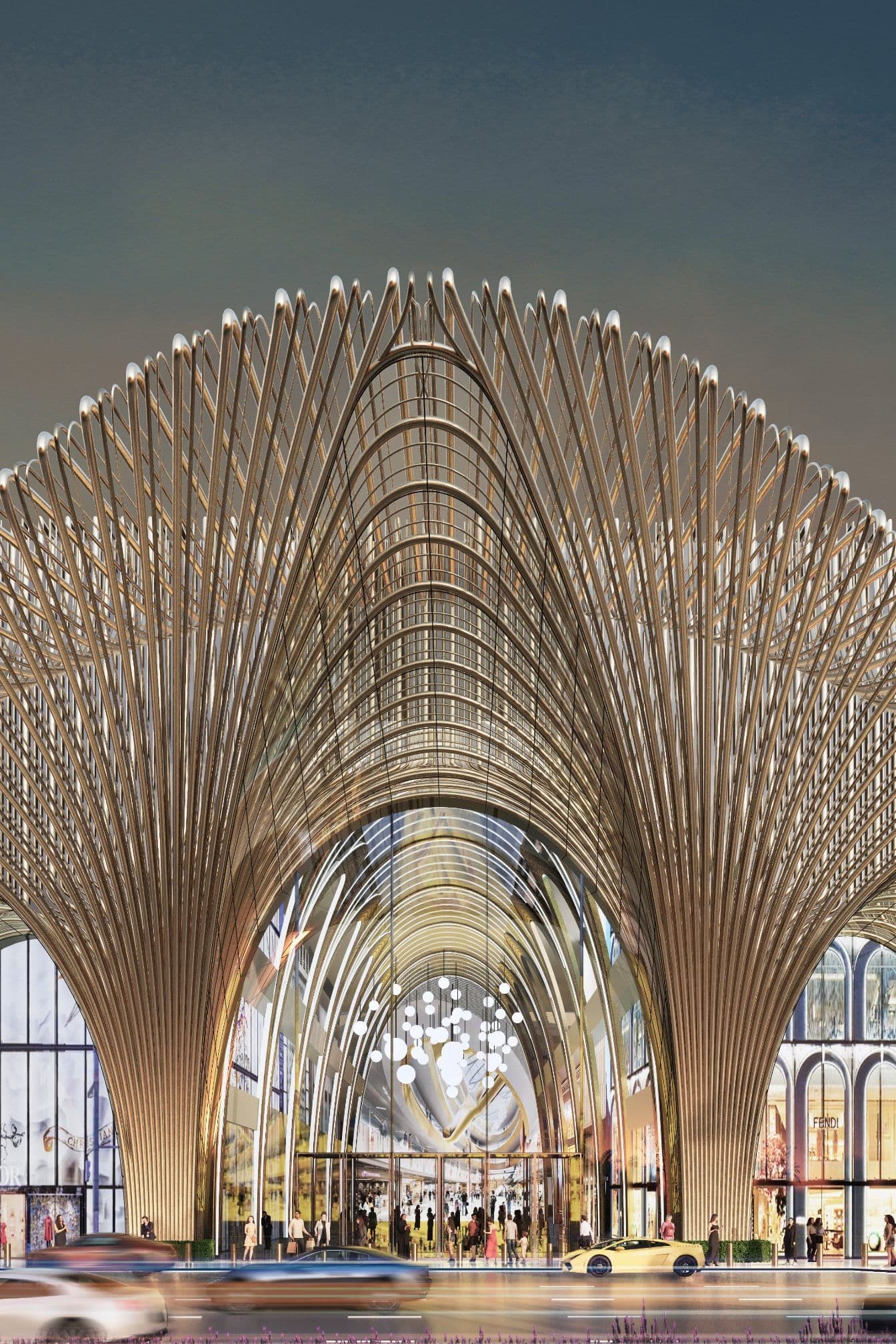
Dubai Mall 2 is the primary new-mall project drawing investor attention in 2026, and Dubai Mall 2 features are expected to reshape retail rents and tourist footfall across the Marina, Business Bay and Downtown corridors. The project name appears in Emaar briefings and government planning documents.
Dubai Mall 2 arrives to meet stronger post-pandemic demand for experiential retail and integrated leisure, with early Emaar statements pointing to major mixed-use links, high-tech attractions and significant capital investment. Analysts expect the new complex to absorb international flagship stores that currently trade in Downtown and on Sheikh Zayed Road, shifting rental dynamics and tenant mixes across prime zones.
For investors, the practical questions are returns and timing. Binayah analysis compares projected gross leasable area, estimated capex and yield outcomes against recent Dubai Land Department and RERA data for 2023 2024 retail performance, giving a location-by-location view of where Dubai Mall 2 will have the biggest measurable impact.
What is Emaar Dubai Mall 2 scale and completion date?
What is Emaar Dubai Mall 2 scale and completion date? — Key Data
Projected Capex
AED 6.5bn
Projected GLA
350,000 sqm
Estimated Jobs
4,000+
Avg Retail Yield
5.8%
Direct answer: Dubai Mall 2 is planned as a super-regional mall by Emaar with a projected gross leasable area in the mid-hundred-thousand square metres range, an estimated capital spend in the low-single-digit billions of AED and a phased opening targeted around 2026 2027 according to Emaar briefings and market filings.
Elaboration: Emaar has positioned Dubai Mall 2 as a next-generation retail and leisure complex designed to support larger experiential anchors, technology-led attractions and multi-day visitor programming. Public comments from Emaar and city planning sources estimate GLA at approximately 300 000 to 400 000 sqm and capex in the region of AED 5 6.5 billion depending on fit-out. Industry analysts modelling rental outcomes for adjacent neighbourhoods anticipate a short-term softening of high-street rents in Downtown and Business Bay by 5 8 percent in the first 18 months after large anchor moves, with longer-term re-pricing driven by stronger tourist flows and extended-stay visitors. DLD transaction trends for 2023 show retail leasing volumes up 12 percent year-on-year in Dubai's prime corridors, giving Dubai Mall 2 immediate tenant demand to draw upon.
Further detail: The project will be delivered in phases so initial anchor openings can occur before full completion; Emaar has signalled a two-phase timetable with entertainment and dining pillars prioritized for the first phase. Developer-led forecasts and third-party retail consultants expect headline retail yields on new Dubai Mall 2 space to stabilise around 5.5 6.5 percent in early leasing cycles, with premium corner units achieving higher effective yields when combined with marketing and tourist-driven turnover rents. These yield projections align with RERA and DLD reported prime retail yields which averaged roughly 5.8 percent in central Dubai for 2024, making Dubai Mall 2 a benchmark asset for retail investment allocation.
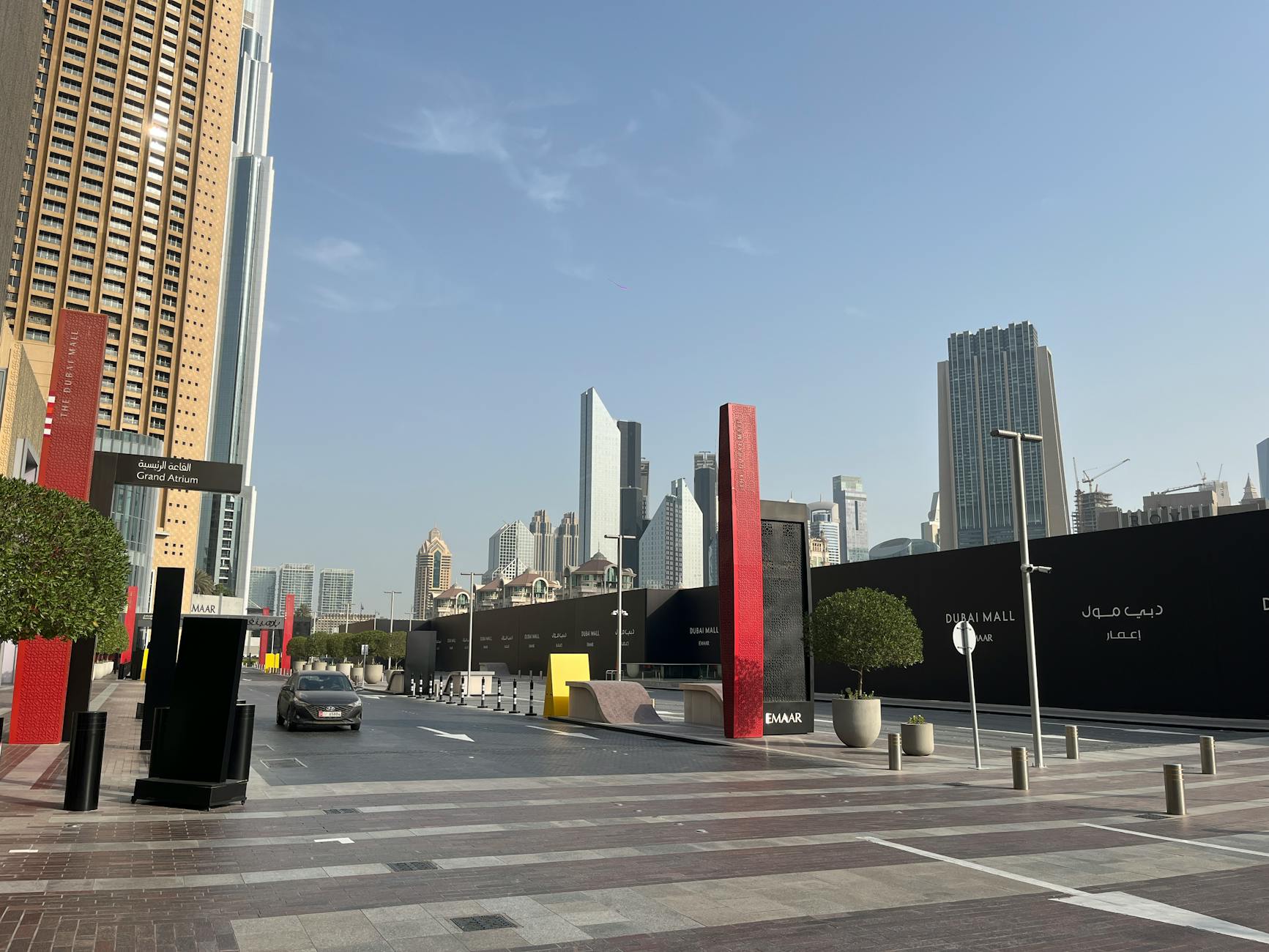
What is Emaar Dubai Mall 2 scale and completion date?
How will Meraas Bluewaters-style leisure districts integrate with Dubai retail?
Direct answer: Meraas intends to replicate and expand the Bluewaters integrated leisure-dining-retail model across new mixed-use districts, combining boutique retail nodes, experiential F&B and public-facing attractions that extend visitor dwell time and support higher per-square-metre sales for tenants.
Elaboration: Meraas projects, including extensions to Bluewaters and new waterfront leisure districts, emphasize walkable retail streets, curated boutique brands, and technology-enabled experiential concepts. In practice this means smaller GLA footprints per mall but higher sales density per sqm because of entertainment anchors, rooftop and plaza programming, and seasonal events. Meraas has stated in investor communications that the model aims to increase average spend per visitor by 15 25 percent compared with standard mall formats. Leasing teams target blended initial retail yields in the 6 7 percent band for new Meraas nodes, supported by premium tourist catchment and events calendars that boost weekend occupancy. City-level visitor data from Dubai's Department of Economy and Tourism shows that areas like Bluewaters and JBR generate above-average tourist dwell times, a direct input to merchant turnover rents and franchise decisions.
Further detail: Integration strategy focuses on multi-format leisure: small-scale flagship stores, F&B clusters, live programming and waterfront activation. Meraas also layers boutique hotel and residential stock within walking distance to capture longer-stay tourists and residents as repeat customers. For landlords and investors this mix reduces vacancy risk relative to single-purpose malls and can lift effective rental per sqm by AED 150 400 in key seasons compared with inland neighbourhoods. The table below compares the Meraas leisure district approach with two established concepts to illustrate scale and tenant mix.
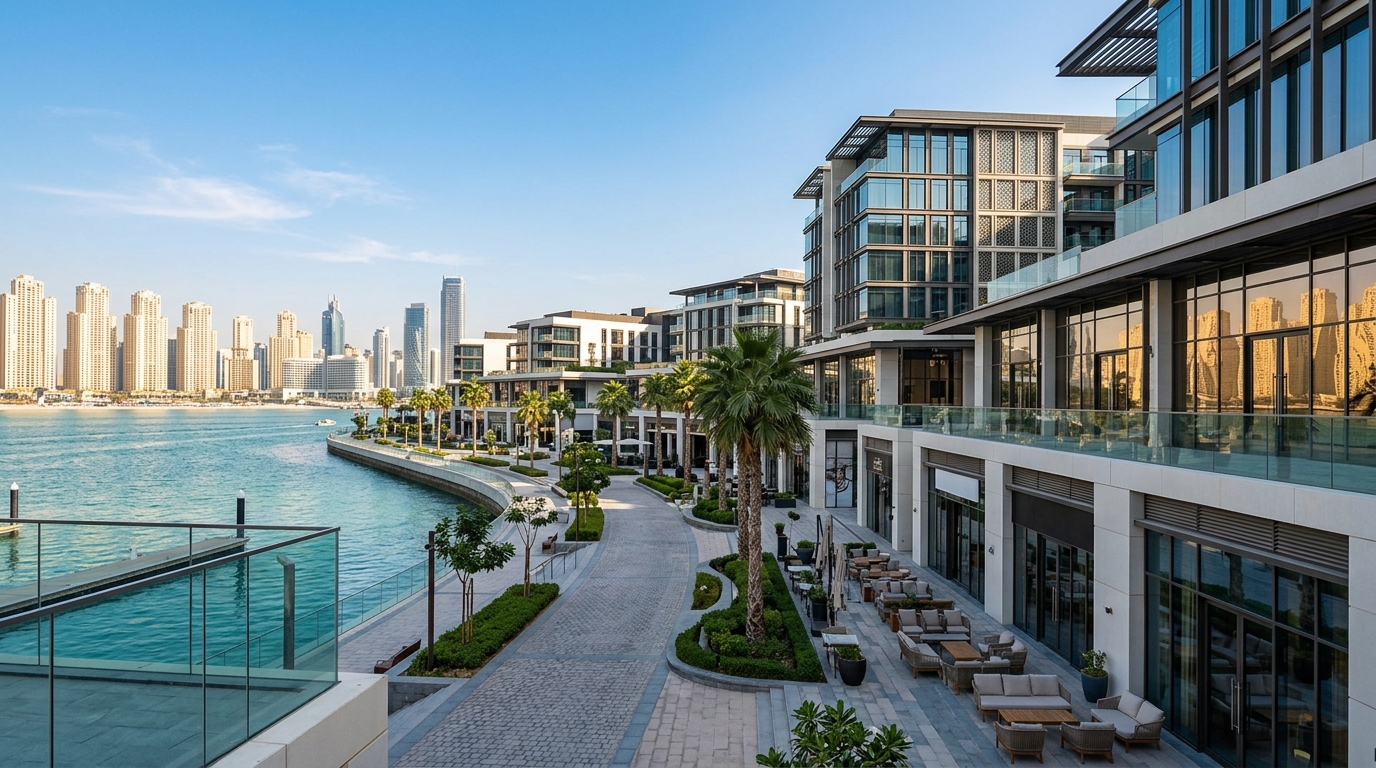
How will Meraas Bluewaters-style leisure districts integrate with Dubai retail?
| Project | Typical GLA | Primary Anchors | Expected Avg Spend per Visitor |
|---|---|---|---|
| Bluewaters (existing) | 60,000 sqm | Lifestyle retail, F&B, observation attractions | AED 420 |
| Meraas new waterfront node | 40,000 80,000 sqm | Boutique retail, event plazas, mixed F&B | AED 480 |
| City Walk (comparison) | 90,000 sqm | High-street retail, leisure, cinemas | AED 360 |
"Leisure-led districts deliver higher visitor spend per square metre because they convert a broader tourist and resident day-trip market into repeat customers."
— Amira Al Zarouni, Head of Research, Binayah Properties
Will Dubai Mall 2 influence Dubai Holding and Destination Retail strategies?
Direct answer: Yes, Dubai Mall 2 will prompt Dubai Holding and Destination Retail to reposition cultural and tourism-linked retail assets, increasing cultural anchors, adaptive programming and resilience measures to protect occupancy and maintain visitor spend across multiple destination sites.
Elaboration: Dubai Holding manages a portfolio of destination retail that includes integrated leisure and cultural anchors. The arrival of a super-regional asset like Dubai Mall 2 compels these owners to differentiate through pop-up curation, festival calendars, and partnerships with cultural institutions to retain middle- and high-spend tourists. Dubai Holding has previously invested in anchor experiences and festivals to lift off-season footfall; corporate disclosures indicate planned investment of several hundred million dirhams annually into programming and placemaking across its sites. Destination Retail strategies will prioritise longer dwell experiences and unique cultural offers that Dubai Mall 2 cannot replicate at scale, such as heritage retail trails, museum partnerships and bespoke culinary festivals. This tactical shift aims to stabilise yields: internal modelling from destination operators suggests a potential 3 5 percent uplift in effective rental income when programming budgets are increased and private-public event tie-ins are used to boost weekday demand.
Further detail: For investors watching yield and capital appreciation, the competitive response from Dubai Holding is crucial because it preserves tourism distribution across the city and prevents tenant concentration solely at Dubai Mall 2. DLD leasing statistics show diversified tourist spend across multiple districts has historically protected average retail yields from sharp declines when a single hub expands. Expect Dubai Holding to announce partnership deals and cultural anchor investments to maintain a balanced citywide retail offer, keeping average prime retail yields near the 5.5 6 percent band while increasing experiential revenue lines such as event ticketing and sponsored activations.
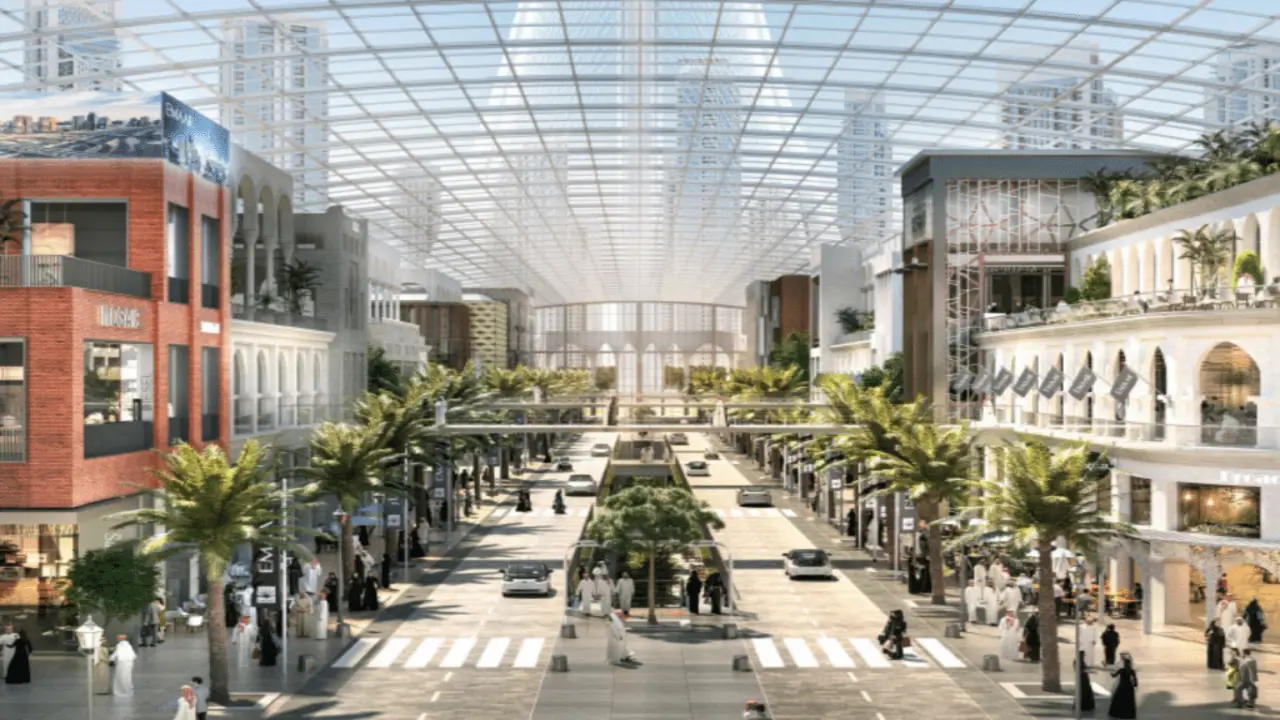
Will Dubai Mall 2 influence Dubai Holding and Destination Retail strategies?
Key Insight
Investor tip: When a super-regional mall opens, assess nearby destination assets for programming and tenant mix changes. Increased cultural activations can preserve rental income and create short-term arbitrage opportunities for selective asset acquisitions.
What are private developers building for boutique retail nodes and tech-enabled malls?
Direct answer: Private developers across Dubai are focusing on smaller-format boutique retail nodes and tech-enabled malls that prioritise curated brand lineups, digital services and omnichannel infrastructure, aiming for higher sales density and resilience with lower capital outlay compared with super-regional projects.
Elaboration: Boutique retail nodes are concentrated in neighbourhoods such as Jumeirah, Al Quoz, and parts of Dubai Marina and Business Bay where developers convert street-level units and smaller mall spaces into high-turnover boutique clusters. Tech-enabled malls include smart wayfinding, digital inventory integration for pop-ups, and experiential AR installations to boost engagement. Private developer budgets for these projects typically range from AED 50 million to AED 450 million per project, depending on GLA and fit-out. Financial modelling from private developers has shown that boutique nodes can deliver retail yields of 6 8 percent because they attract specialty retailers willing to pay higher effective rents for targeted footfall. Tech-enabled centres also show higher conversion rates: pilot projects tracked by developers reported a 12 18 percent increase in per-visitor spend after deploying targeted digital promotions linked with in-mall analytics.
Further detail: For investors, boutique nodes reduce vacancy exposure and speed up leasing cycles because tenants are frequently SMEs or lifestyle brands with flexible lease terms. The trade-off is lower headline GLA and more active asset management requirements. When combined with residential catchment and strong F&B offers, these nodes can outperform in capital appreciation over a 3 5 year horizon. Developers such as Nakheel, Deyaar and several smaller private owners are actively pursuing this strategy with curated tenant agreements and tech partnerships, making boutique and tech-enabled retail an increasingly important part of Dubai's diversified retail landscape.
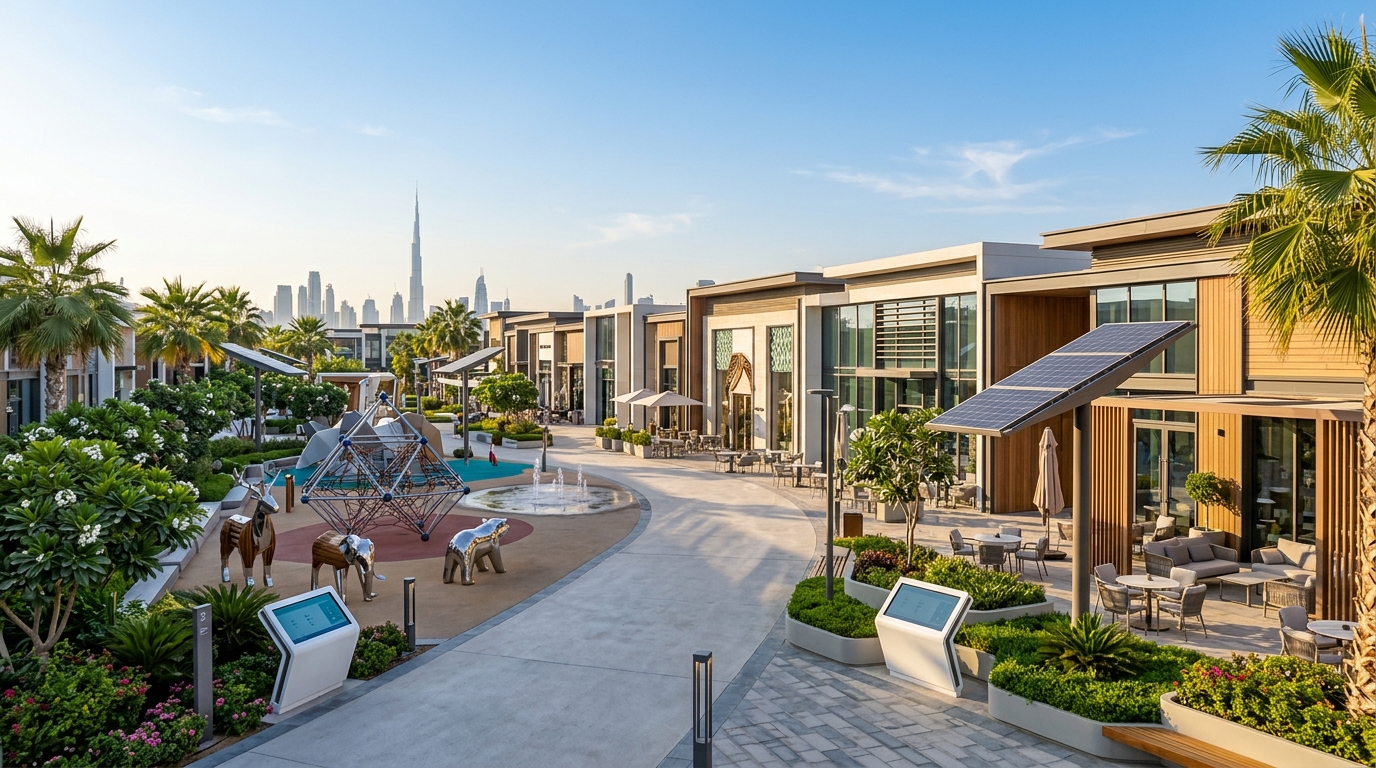
What are private developers building for boutique retail nodes and tech-enabled malls?
- Higher Sales Density: boutique nodes commonly achieve AED 400+ spend per visitor
- Lower Capex: typical projects from AED 50m to AED 450m
- Faster Leasing: average leasing cycle reduced by 20%
- Tech Conversion: 12-18% uplift in per-visitor spend with digital tools
Key takeaway: Dubai Mall 2 and the parallel wave of Meraas and private developer projects will reshape Dubai's retail geography by redistributing tourist footfall, elevating experiential retail and creating opportunities across both super-regional and boutique formats. Investors should expect short-term re-pricing in adjacent markets and longer-term yield stability driven by stronger visitor economics.
Contact Binayah Properties: Speak with Binayah for a targeted investment review and access to curated listings near Dubai Mall 2, Bluewaters-style districts and high-performing boutique nodes. Binayah offers market-leading research, transaction support, and bespoke acquisition strategies that align with project timelines and yield targets. Request a consultation to receive AED-based cash-flow models, neighbourhood impact analysis from our research team and off-market opportunities tailored to your return profile.
Binayah Editorial
Property Market Analyst
Our editorial team researches Dubai's real estate market, tracking DLD data, developer launches, and investment trends to keep buyers and investors informed.
Ready to Invest in Dubai?
Speak with our analysts about the best opportunities in today's market — free consultation.