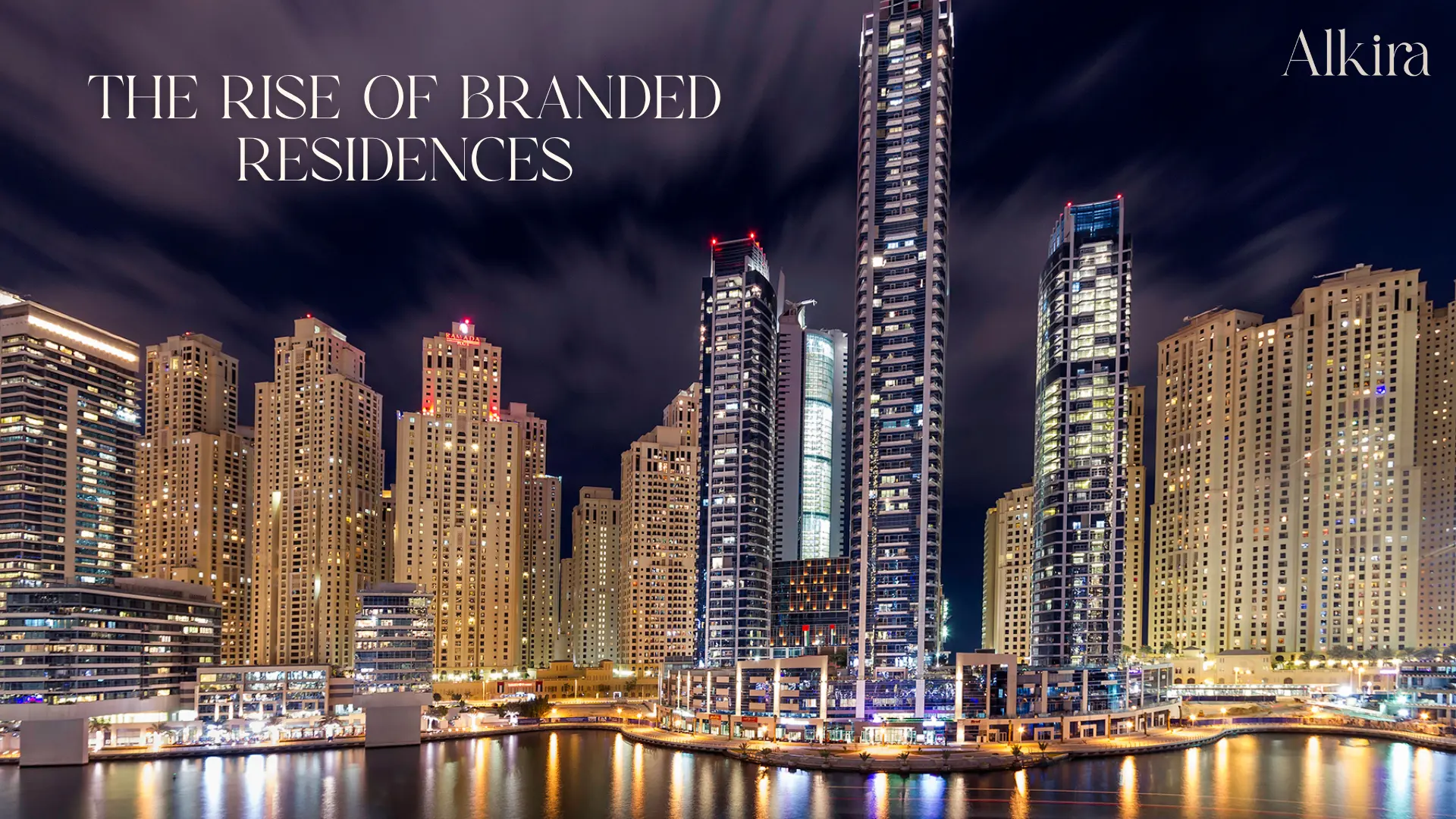
On Palm Jumeirah and Downtown Dubai, branded residences in Dubai are transforming the market with premium pricing and hotel-grade services, with some projects commanding 20-30% higher prices and attracting global buyers seeking managed rental income.
Branded residences combine residential ownership with an international hotel or lifestyle brand operating the property, delivering consistent service levels, centralized marketing and often priority access to hotel amenities. Developers including Emaar, Nakheel and Meraas partner with brands such as Address, Four Seasons and Bulgari to create projects that target high-net-worth buyers and affluent lease tenants. DLD and RERA frameworks require separate registration for hotel-operated apartments, which has clarified ownership rights and secondary market expectations.
For investors the key questions are premiums, operating contracts and resale mechanics. This Developer Spotlight breaks down definitions, developer pricing strategies, the three common operational contracts and the resale, financing and regulatory realities you must know before buying a branded unit in communities like Palm Jumeirah, Downtown Dubai, Dubai Marina and Dubai Hills.
What Is a Branded Residence in Dubai?
What Is a Branded Residence in Dubai? — Key Data
Avg Premium
20%
Typical 1BR Price
AED 2.0m–AED 4.5m
Avg Yield
4%–7%
DLD Transactions
104,000
2023A branded residence in Dubai is a privately owned apartment or villa that carries an international hospitality brand, offers hotel-level services and marketing, and is managed under an agreement that typically produces a 10-35% price premium over equivalent non-branded units and measurable income advantages for owners.
Branded residences are structured so owners retain title while a hotel operator provides housekeeping, front-desk service, centralized reservations and revenue management. That combination yields three practical outcomes: a pricing premium at sale, a differentiated product for holiday and corporate rentals, and higher service charges in exchange for 24/7 hospitality standards. In Dubai, examples include Address Residences (Emaar) in Downtown Dubai, Bulgari Residences on Jumeirah Bay, and One&Only The Palm units on Palm Jumeirah. Typical 1-bedroom branded units in prime locations start from roughly AED 2.0m to AED 4.5m depending on community and brand positioning, with gross yields often reported in the 4-7% range when marketed through hotel channels.
Regulatory clarity from the Dubai Land Department has helped buyers assess branded products as distinct asset types. DLD transaction data shows branded and hospitality-linked sales have increased as international buyers seek managed inventory. For investors evaluating a branded purchase, review the operator agreement, fee schedule, and any guaranteed rental arrangements. Confirm whether the brand assigns revenue to a pooled account or directly to owner accounts, and check the service charge schedule because branded projects commonly post higher annual service charges than conventional residential buildings.
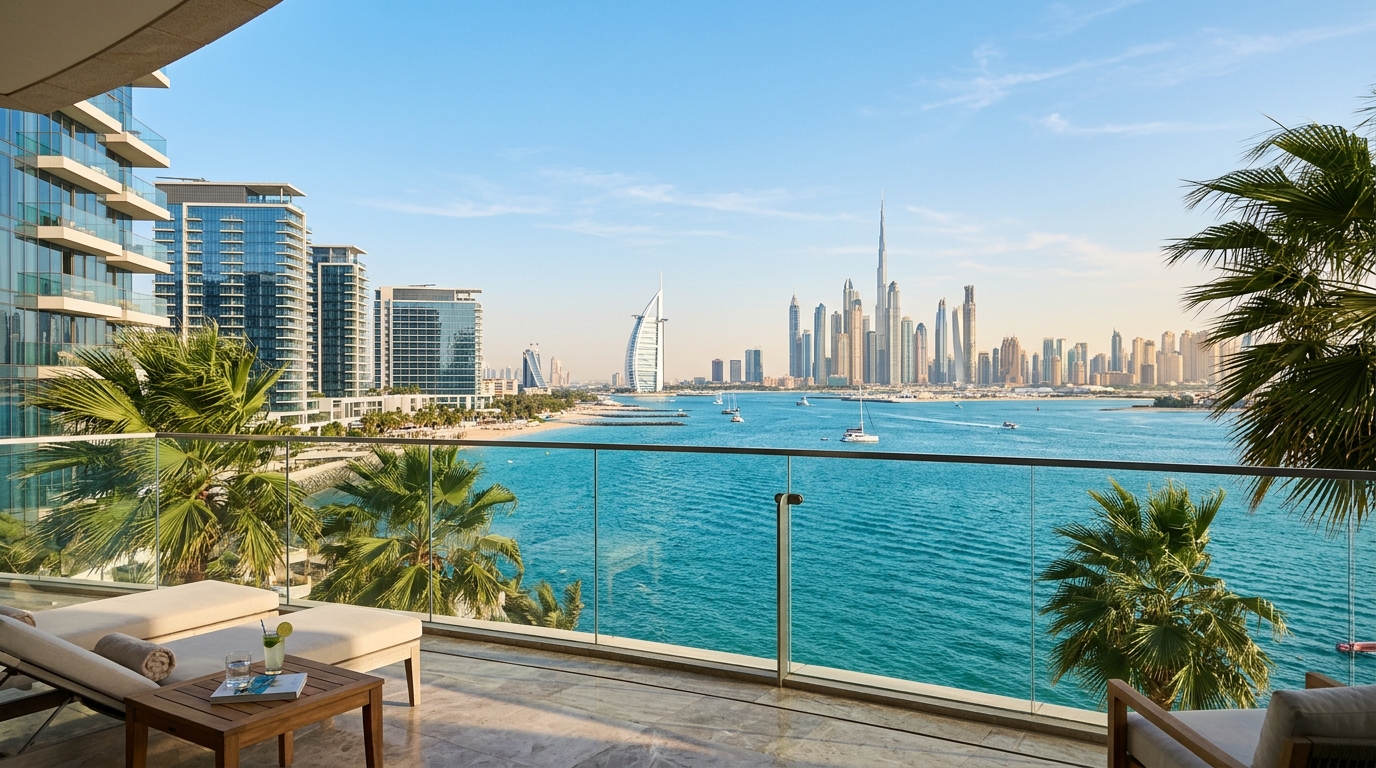
What Is a Branded Residence in Dubai?
- Hotel-level management increases short-term rental demand
- Branded units often sit in prime communities like Palm Jumeirah
- Owners get centralized booking, marketing and revenue management
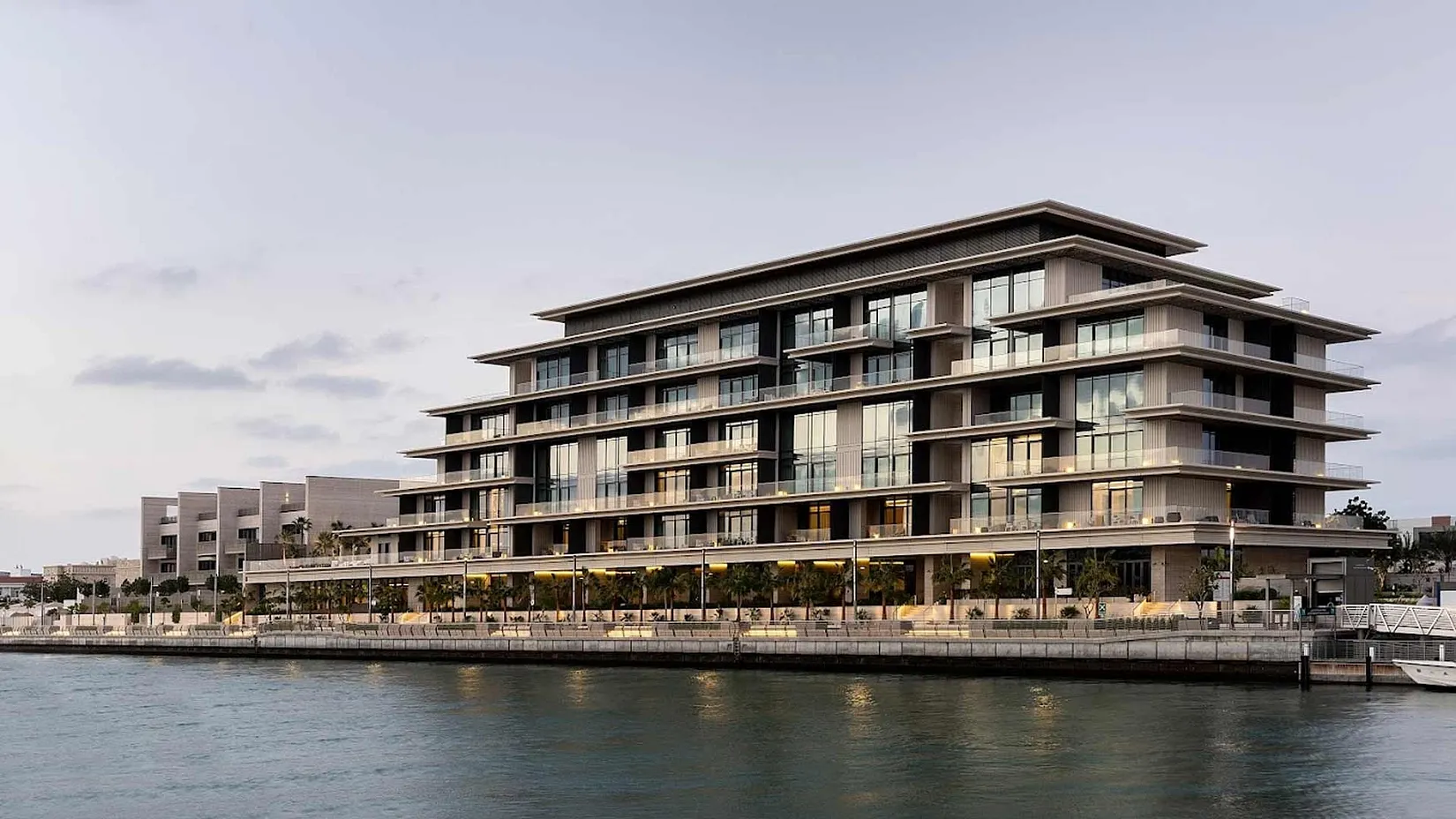
How Developers Structure Branded Residences in Dubai and Price Premiums
Developers structure branded projects by licensing an international hospitality brand, integrating hotel-style amenities, and pricing units at premiums that typically range from 10% to 35% depending on brand strength, location and inclusions, with headline one-bedroom prices commonly from AED 1.8m to AED 5m in premier communities.
The developer constructs the asset and negotiates a branding and management agreement that defines marketing, operating standards and revenue arrangements. Developers use three commercial levers to create a branded product: co-development with a hotel company, marketing and sales under the brand name, and structuring owner options for managed rental programmes. In practice, an Emaar Address project in Downtown may command an estimated 15% premium over a standard Emaar apartment, while a Bulgari or Four Seasons product on Palm Jumeirah can push premiums toward the 25% to 35% band because of scarcity and ultra-luxury positioning. Service charges for branded buildings are typically higher; owners should expect annual service charges from roughly AED 18 to AED 45 per sq ft depending on facilities and staffing levels.
Buyer due diligence should include a line-by-line review of what the premium buys: branded design fit-out, guaranteed levels of staffing, inclusion of certain furniture packages, and access to hotel reservation systems. Ask for comparable resale data within the developer’s portfolio and DLD sale records for the specific tower or villa cluster. Branded projects often attract global buyers and corporate clients, improving liquidity in resale markets, but liquidity will vary by brand, developer reputation and macro demand conditions.
How Developers Structure Branded Residences in Dubai and Price Premiums
| Developer | Brand Partner | Project | Typical Premium | Avg 1BR Price (AED) |
|---|---|---|---|---|
| Emaar | Address Hotels + Resorts | Address Residences Downtown | 15%–20% | AED 2,800,000 |
| Nakheel | Various luxury brands | Palm Jumeirah branded villas | 20%–35% | AED 4,500,000 |
| Meraas | Bvlgari | Bulgari Residences | 25%–35% | AED 5,000,000 |
| Private Developer | Four Seasons / Ritz-Carlton | Luxury branded towers | 20%–30% | AED 3,800,000 |
"Developers earn market separation by pairing trusted brands with prime Dubai locations; the buyer pays a premium for guaranteed service standards, marketing reach and an easier exit to international short-term renters."
— Hassan Al Shaibani, Head of Research, Binayah Properties
- Premiums depend on brand strength and location
- Service charges are higher but include hotel services
- Developers often offer early-buyer incentives and reserved rental pools
What Are the Operational Models: Fixed Fee, Revenue Share and Hybrid Contracts?
What Are the Operational Models: Fixed Fee, Revenue Share and Hybrid Contracts? — Key Data
Mgmt Fee Range
2%–6%
Revenue Share Range
30%–60%
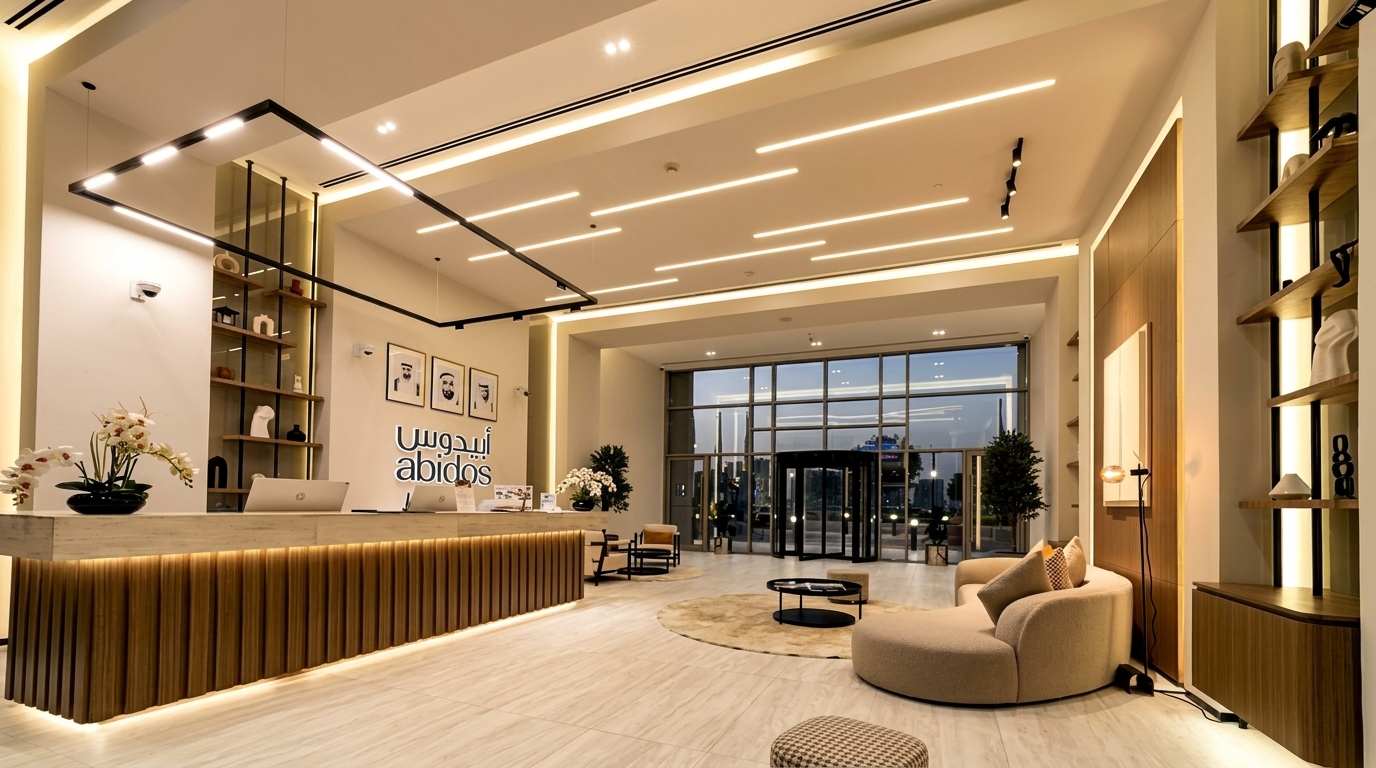
Operational models for branded residences in Dubai fall into three main categories: fixed-fee management contracts, revenue-share agreements, and hybrids that blend guaranteed returns with variable sharing; typical fee ranges are 2% to 6% for fixed-fee management and revenue splits commonly sit between 30% and 60% to the operator depending on the programme.
Under a fixed-fee model the operator charges a flat management fee for services such as housekeeping, concierge and reservations, often calculated as a percentage of gross rental or as an annual fee per key. Fixed fees give owners predictable operating costs and are common where owners want direct control of rental pricing. Revenue-share models let the operator market and manage inventory in return for a percentage of rental income; the split can be 40/60 or 50/50 in mature branded projects and is attractive where marketing lifts occupancy. Hybrid contracts include a modest guaranteed return to owners for a fixed period plus a revenue-share once performance targets are met; grants can range from a 6% to 8% guaranteed annual return in some developer-sponsored programmes.
Operational contract terms materially affect net yield. For example, a branded one-bedroom generating AED 120,000 gross annual rent with a 50/50 revenue share yields AED 60,000 to owners before service charges and DLD rental income taxes, translating into a net yield of roughly 3% if purchase price is AED 2.0m. With a fixed-fee model charging 4% management and AED 25,000 in service charges, the same AED 120,000 gross rent could produce a clearer net margin but with lower marketing reach. RERA does not prescribe commercial splits between owners and operators, but it enforces transparency on contracts and service charge disclosure, so owners should obtain signed management contracts and historic P&L where available.
What Are the Operational Models: Fixed Fee, Revenue Share and Hybrid Contracts?
Key Insight
Before signing any management or revenue-share agreement, request a 3-year P&L and occupancy report for comparable branded inventory. If the operator cannot provide historical evidence, treat guaranteed returns skeptically and model worst-case occupancy at 50% for stress testing.
- Fixed-fee = predictable owner costs
- Revenue-share = higher marketing and variable income
- Hybrid = short-term guarantees plus long-term sharing
How Do Resale, Financing and Regulation Affect Branded Units in Dubai?
How Do Resale, Financing and Regulation Affect Branded Units in Dubai? — Key Data
DLD Transfer Fee
4%
Typical LTV
60%–75%
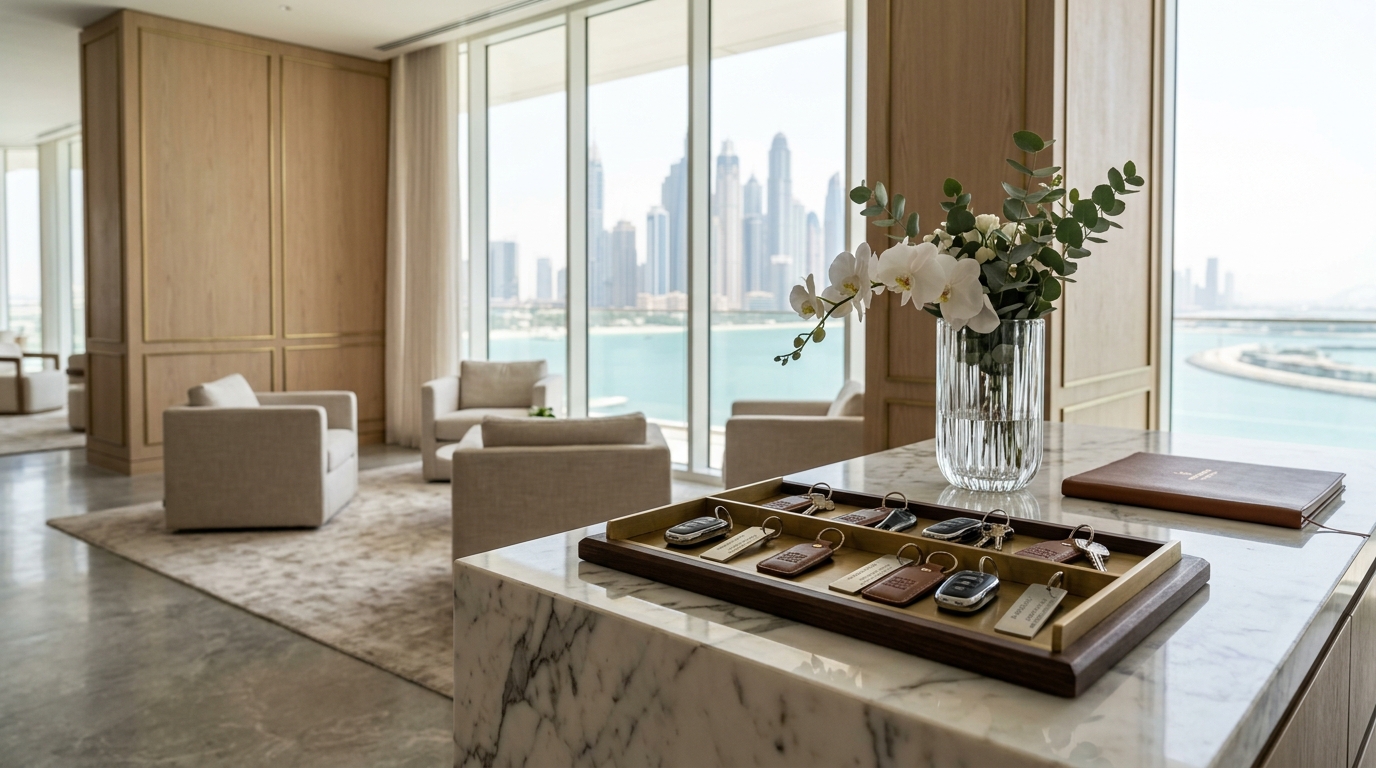
Resale pricing, mortgage availability and regulatory requirements are distinct for branded residences and directly influence liquidity and net returns; expect DLD transfer fees at 4% of value, typical bank loan-to-value ratios from 60% to 75% for ready units and resale discounts that vary widely by brand and location, often 5% to 20% from new-sale pricing.
On resale, branded units can trade at a premium or discount depending on secondary market demand for the specific brand and whether the marketing and rental programmes remain attractive. Dubai Land Department fees are standardized, with a 4% transfer fee plus registration charges and agency commissions that impact net proceeds. Lenders in Dubai assess branded units like other properties but scrutinize operating agreements, rental pools and projected cashflows; many local and international banks will lend at 60% to 75% LTV for completed branded units, while off-plan branded units may see lower LTVs of 50% to 70% depending on developer escrow protections. Financing terms also depend on whether the unit is in a hotel apartment category or classified as residential by RERA and DLD.
Regulators expect transparent disclosure: management contracts, service charge budgets and owner association documentation must be registered and available. From a resale perspective, branded projects in Downtown Dubai, Business Bay and Palm Jumeirah typically show higher turnover and better international buyer interest, which helps liquidity. Investors should model possible resale scenarios: a branded unit bought for AED 3.5m with a 20% premium to non-branded stock might resell at a 10% premium during a buoyant cycle or drop to even with non-branded stock in a downturn, so realistic exit assumptions are essential.
How Do Resale, Financing and Regulation Affect Branded Units in Dubai?
- Resale outcomes depend on brand strength and location
- Banks require review of management agreements for lending
- RERA enforces disclosure of service charge and operator contracts
Branded residences in Dubai represent a distinct asset class that offers hotel-grade services, stronger marketing reach and a price premium that can translate into higher short-term rental income or an easier resale to international buyers. Successful investment depends on reading the management contract, modelling net yields after service charges and choosing locations such as Palm Jumeirah, Downtown Dubai or Dubai Marina where branded inventory commands consistent demand.
Binayah Properties can help you evaluate branded opportunities with developer and operator insight, access to DLD resale records and bespoke yield modelling. Contact our branded-residence specialists for market comps, a contract review checklist and personalised financing introductions. We arrange site tours to Address, Four Seasons, Bulgari and other branded projects, prepare net-yield scenarios in AED and percent, and negotiate sale terms on your behalf to protect long-term value.
Binayah Editorial
Property Market Analyst
Our editorial team researches Dubai's real estate market, tracking DLD data, developer launches, and investment trends to keep buyers and investors informed.
Ready to Invest in Dubai?
Speak with our analysts about the best opportunities in today's market — free consultation.