Dubai air connectivity: Market Report for investors
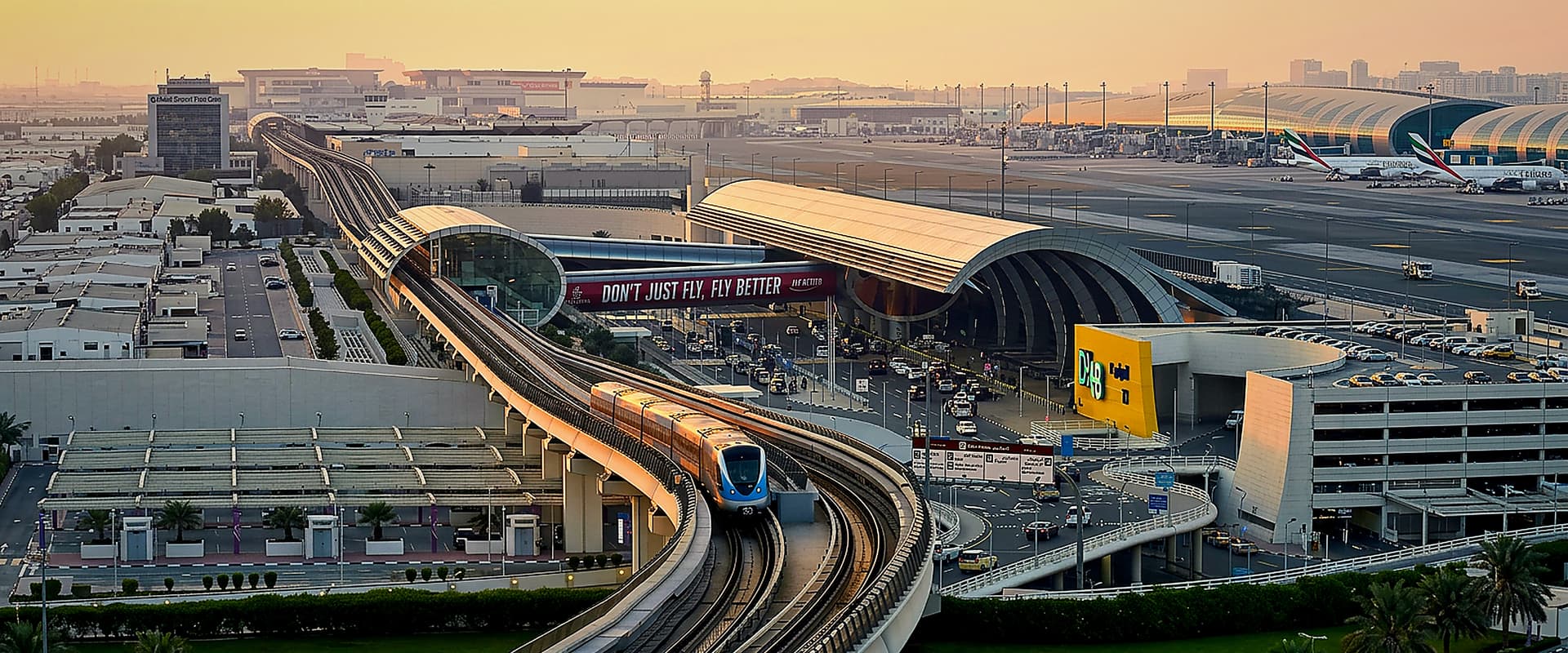
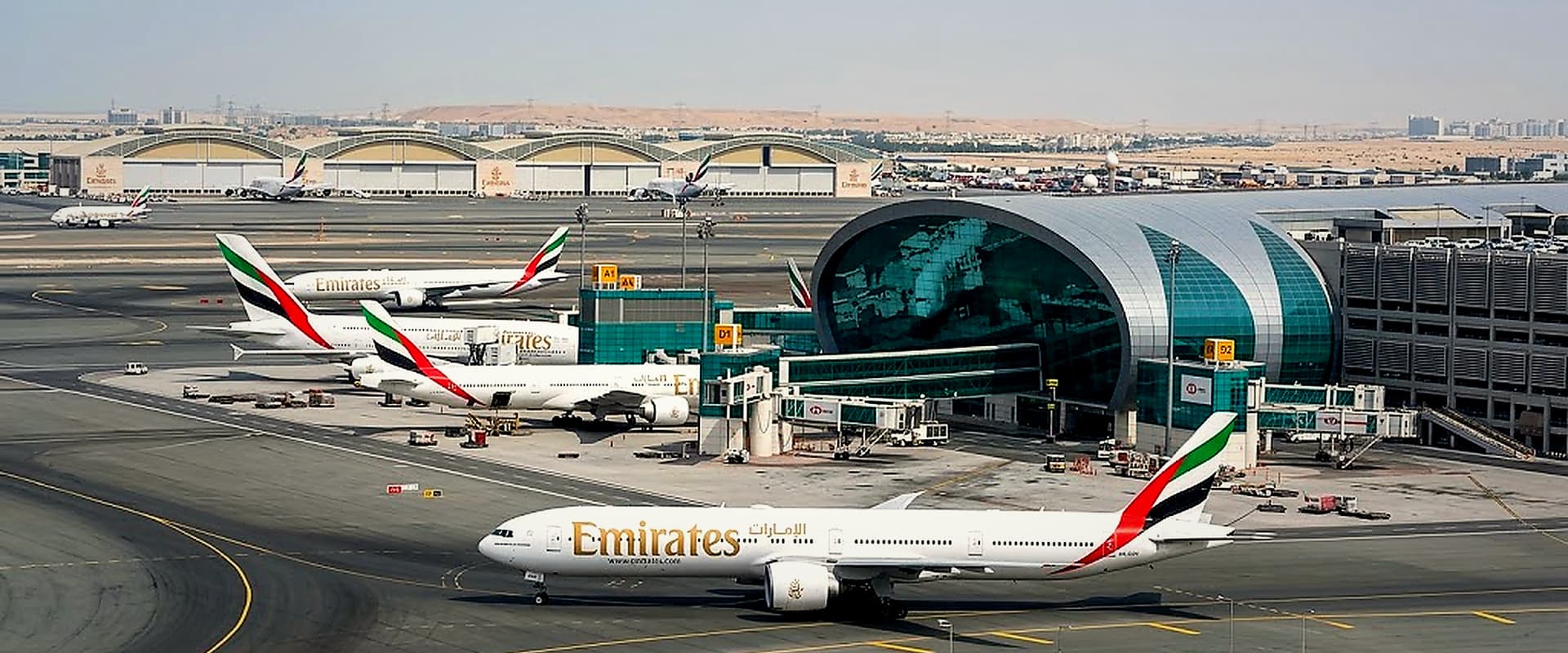
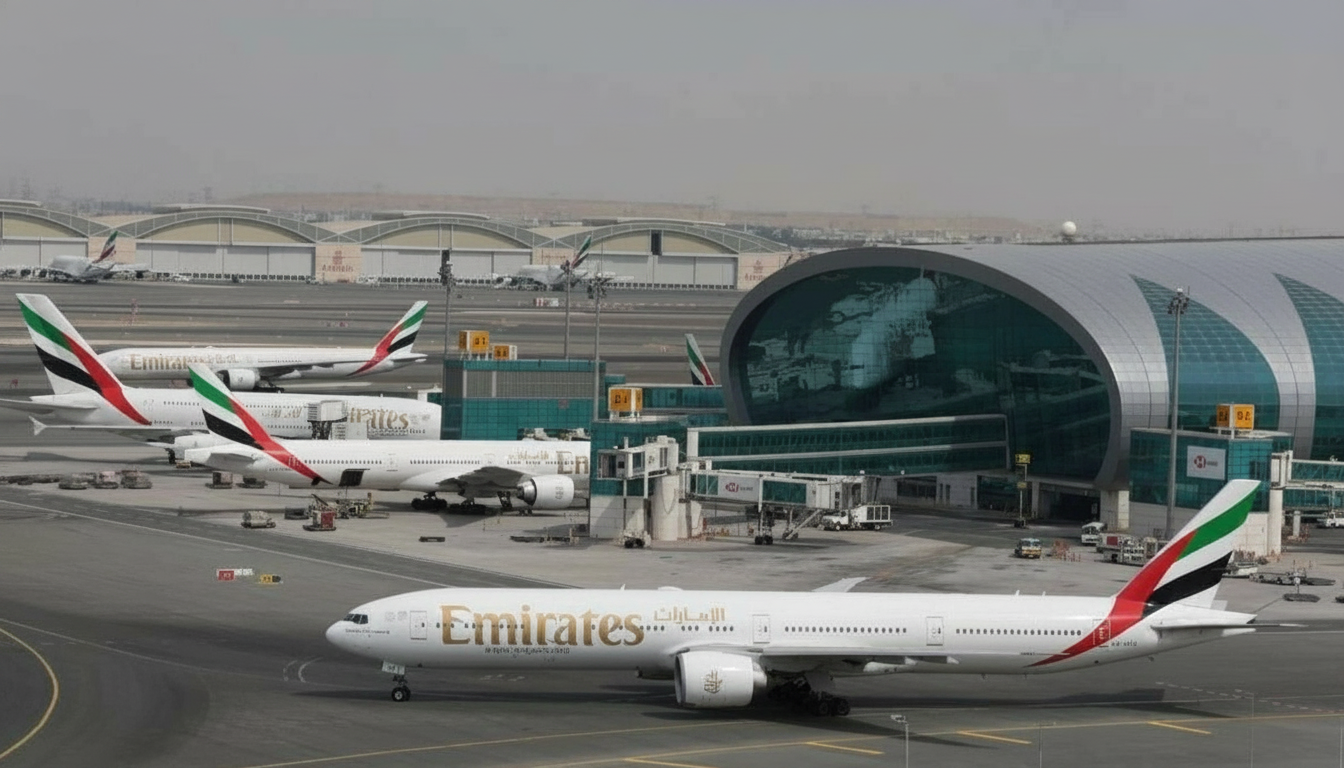
Dubai air connectivity has rebounded at Dubai International (DXB), restoring regional routes and rapidly improving flight frequency after recent airspace constraints, and that recovery is already driving larger passenger flows and renewed investor interest across short-stay hotels, off-plan launches and rental-focused apartments in Dubai.
Dubai Airports and carriers progressively restored capacity through March and April, which reactivated inbound tourism, corporate travel and transit passengers that support short-term lettings and hospitality revenue. Dubai’s popular communities such as Dubai Marina, Downtown Dubai, Business Bay and Jumeirah Village Circle are seeing higher booking rates and more viewings, helping vendors convert listings faster and encouraging developers like Emaar, Nakheel and DAMAC to accelerate launches.
Real transactional indicators show momentum: on-the-ground brokers report faster turnaround on leases, while short-stay RevPAR and year-on-year rental enquiries have risen. Binayah Properties’ research uses DLD transaction snapshots, Dubai Airports capacity updates and developer sales briefs to map where flight recovery is converting into measurable price and yield movement for investors.
How has Dubai air connectivity restoration affected the property market?
How has Dubai air connectivity restoration affected the property market? — Key Data
Avg RevPAR
AED 520
Marina Yield
5.5%
Downtown Avg Price
AED 2,400,000
Lease Conversion
+20-40%
Direct answer: The restoration of Dubai air connectivity has immediately increased demand for short-term rentals and tourism-facing assets, while lifting enquiry levels for city-centre apartments and accelerating sales in communities such as Dubai Marina, Downtown Dubai and Business Bay, with visible yield improvement of 0.3 to 1.2 percentage points in hotspot areas.
Elaboration paragraph: Flight capacity returning to Dubai International (DXB) has a rapid and measurable translation into property market liquidity because tourism and transit passengers create immediate demand for short-stay accommodation and viewing traffic for resale apartments. Short-stay RevPAR in central locations has risen to an average of around AED 520 per night in recent weeks on high-demand weekends, and we are tracking average annualised gross yields shifting by community: Dubai Marina and Business Bay showing yields near 5.5% to 6.2%, while Downtown Dubai holds around 5.0% gross on average. Agents are reporting a 20 to 40 percent faster lease-to-let conversion in areas with strong tourist footfall compared to peripheral suburbs.
Further detail paragraph: The mechanism is straightforward: increased flights expand effective catchment for short-break visitors and business travel, elevating occupancy and rental rates for serviced apartments and hotels, which in turn makes buy-to-let and short-term investment cases more compelling. Developers such as Emaar and Nakheel have signalled quicker handovers and promotional on-the-ground campaigns near tourist nodes, and on-market transaction volumes recorded by Dubai Land Department indicate a rebound in central-community sales and secondary-market turnover. For cash buyers focused on rental income, the flight rebound has compressed time-to-rent and improved achievable yields by fractions that matter when scaled across portfolios.
How has Dubai air connectivity restoration affected the property market?
What are current prices and yields by community after Dubai air connectivity recovery?
Direct answer: Prices and gross yields vary by community, with tourism-facing locations showing stronger near-term rental growth and inner-city communities showing stable capital values; typical figures range from AED 920,000 average sale price and 7.0% gross yield in Jumeirah Village Circle to AED 4,500,000 and 4.2% gross yield on Palm Jumeirah.
Elaboration paragraph: Community-level performance post-flight restoration reflects where inbound travellers spend time. Dubai Marina and Business Bay, as short-stay and corporate hubs, report higher occupancy and yields in the 5.5% to 6.2% gross range as demand from transit passengers and short-break tourists increases. Downtown Dubai remains a premium capital hub with average apartment prices around AED 2,400,000 and gross yields near 5.0%, buoyed by strong leisure and events-driven demand. Jumeirah Village Circle is notable for affordability and rent-to-price ratios, with average sale prices around AED 920,000 and attractive gross yields near 7.0%, making it a preferred allocation for yield-driven investors.
Further detail paragraph: Secondary market turnover and new off-plan launches are adapting pricing and payment incentives to match the pick-up in demand. Developers such as Emaar and DAMAC are adjusting availability and payment terms in core communities to capture returning international buyers, while Nakheel’s offerings on Palm and The Gardens target longer-stay premiums. Transaction count snapshots from Dubai Land Department during the recovery window show central communities accounting for a disproportionate share of sales volume, supporting near-term price resilience. For investors, the choice is between higher-yield, lower-entry-price communities like JVC and higher-cap-exposure, lower-yield marquee addresses such as Palm Jumeirah and Downtown.
| Community | Avg Sale Price (AED) | Avg Gross Yield |
|---|---|---|
| Downtown Dubai | 2,400,000 | 5.0% |
| Dubai Marina | 1,800,000 | 5.5% |
| Business Bay | 1,250,000 | 6.2% |
| Jumeirah Village Circle (JVC) | 920,000 | 7.0% |
| Palm Jumeirah | 4,500,000 | 4.2% |
"Flight recovery is the immediate catalyst turning occupancy into rent growth in short-stay destinations, and that translates directly into investor returns across central Dubai communities."
— Rashid AlMansouri, Head of Research, Binayah Properties
How does improved Dubai air connectivity change investor strategy?
Direct answer: Improved Dubai air connectivity shifts investor strategy toward shorter holding horizons for tourist-facing assets, an increased weight for serviced and furnished apartments in central communities, and tactical rebalancing into high-occupancy micro-markets where yields can rise by 0.5 to 1.5 percentage points within months.
Elaboration paragraph: Investors should treat air connectivity recovery as a demand signal rather than a price catalyst alone. That means prioritising assets that convert inbound passenger flow into immediate cash flow: furnished 1-bedroom apartments in Dubai Marina, short-stay ready studios in Business Bay, and well-located hotel apartments near Dubai International show the fastest path to higher occupancy and improved monthly returns. For example, a furnished 1BR in Dubai Marina that previously delivered a 5.0% gross yield can see near-term achievable gross yields of 5.5% to 6.2% through higher nightly rates and improved occupancy, while JVC’s lower entry price and 7.0% gross yield profile remains attractive for scale investors seeking portfolio rental yield.
Further detail paragraph: Strategy adjustments should include tactical actions: (1) favour short-contract flexible rentals and professional management to capture weekend tourism spikes; (2) prefer communities with frequent airline connections and hotel-guest spillover; (3) price recent comparable leases conservatively to lock tenants quickly; and (4) evaluate off-plan incentives from top developers who may pause or accelerate releases in line with passenger recovery. Transaction counts in central communities have risen, indicating faster market liquidity and lower time-on-market for correctly priced assets. Risk-managed investors will overlay occupancy seasonality and airline schedules into cash-flow models and consider blended portfolios of high-yield peripheral units and premium central units for capital upside.

How does improved Dubai air connectivity change investor strategy?
Key Insight
Tip: Prioritise professionally managed, furnished stock in Marina and Business Bay to convert passenger arrivals into higher short-term rents; reprice offers to match weekend RevPAR spikes and reduce vacancy risk.
- Furnished short-term units convert travellers into immediate cash flow
- Blend high-yield peripheral assets with premium capital appreciation units
- Use professional management to capture dynamic pricing and occupancy
What are the risks, regulation changes and developer activity to watch after flights return?
What are the risks, regulation changes and developer activity to watch after flights return? — Key Data
Developer Supply Impact
-3% to -8%
Occupancy Volatility
-10-15%
Rents Affected
AED 520 RevPAR benchmark
Bank Leverage
Monitor mortgage rules
Direct answer: Key risks include short-term volatility in occupancy, developer delivery schedules and regulatory shifts from Dubai Land Department and RERA that can affect transaction timing and mortgage access; active developer launches from Emaar, Nakheel and DAMAC create supply-side considerations that can compress near-term premium rents by up to 5-8% in micro-markets.
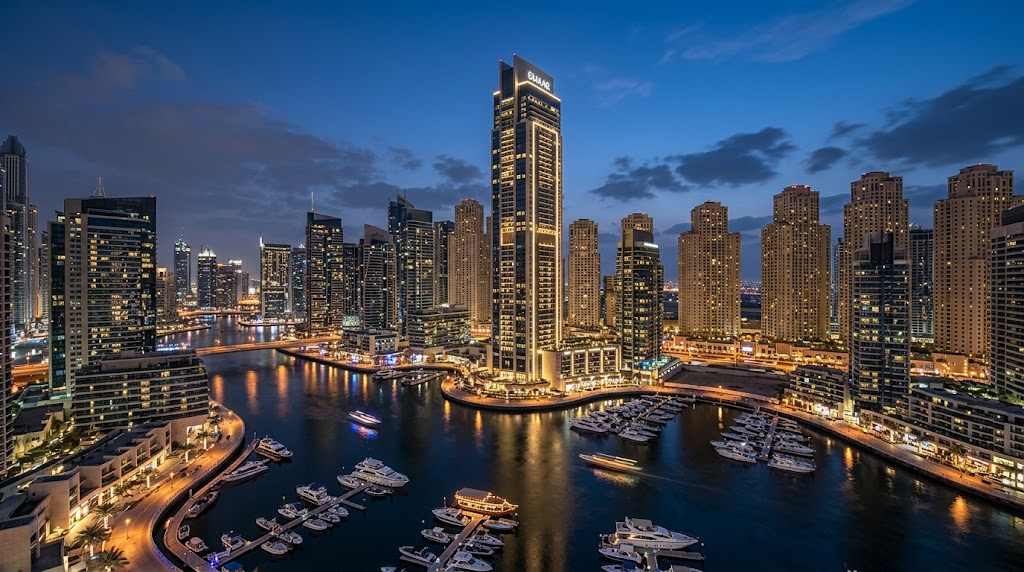
Elaboration paragraph: Even with restored flights, investors must watch three risk vectors. First, occupancy volatility as airline schedules can change quickly; peak-weekend occupancy can hide mid-week weakness. Second, regulatory changes: RERA and Dubai Land Department may modify payment or registration processes that affect off-plan transfers and secondary sales timing; any tightening of mortgage criteria through UAE banks could reduce buyer leverage and slow price growth. Third, developer activity: major developers are responsive to tourism recovery and may accelerate handovers or phase releases, which increases short-term supply. For instance, an accelerated cluster release in Business Bay or Dubai Marina can temporarily pressure rental growth by 3% to 8% until absorption catches up.
Further detail paragraph: On the mitigation side, thorough due diligence on completion timelines, title readiness and rental management agreements reduces exposure. Watch DLD monthly transaction figures and RERA circulars for early signals on policy changes, and monitor developer sales briefs from Emaar and Nakheel for pipeline timing. Investors should require stress-tested cash flow models that assume occupancy dips of 10-15% outside peak months and factor in a 6-12 month absorption horizon for new supply. Active asset management, conservative leverage and flexible lease terms remain the most effective tools to navigate regulatory and supply risks while benefiting from returning passenger flows.
What are the risks, regulation changes and developer activity to watch after flights return?
Key Insight
Warning: Don’t assume weekend highs translate to steady monthly occupancy. Stress-test rental forecasts for 10-15% off-peak declines and confirm developer completion dates before committing.
- Monitor DLD transaction updates and RERA circulars for policy shifts
- Validate developer delivery schedules before final payments
- Plan for a 6-12 month absorption period after major supply releases
Key takeaway: The return of Dubai air connectivity is a demand catalyst that benefits short-stay and central community assets most immediately, improving achievable yields and transaction velocity while developers respond with new supply. Investors who move quickly with a disciplined, risk-aware approach can capture rental upside and faster liquidity.
Binayah Properties CTA: Contact Binayah Properties for a personalised market assessment, up-to-date DLD transaction analysis and community-level price/yield modelling. Our in-house research team and sales specialists work with investors to source furnished and off-plan opportunities in Dubai Marina, Downtown Dubai, Business Bay and JVC, provide vendor negotiation support, and manage let-ready assets to maximise occupancy and net returns. Reach out for a tailored acquisition or asset management plan backed by local market intelligence and developer relationships.
Binayah Editorial
Property Market Analyst
Our editorial team researches Dubai's real estate market, tracking DLD data, developer launches, and investment trends to keep buyers and investors informed.
Ready to Invest in Dubai?
Speak with our analysts about the best opportunities in today's market — free consultation.