Abu Dhabi to Amman flights: Dubai market report 2026
Air Arabia’s three-times-weekly non-stop Abu Dhabi to Amman flights mean faster access for Jordanian tourists and regional travellers, and they alter short-stay booking patterns that matter for Dubai investors in 2026.
The new route, operated by Air Arabia from Abu Dhabi International to Amman Queen Alia three times a week, shortens travel time for tourists who combine Jordan and the UAE on multi-city trips. That creates incremental inbound demand into Dubai for 2-5 night stays from Amman and neighbouring markets. Short-stay platforms already show higher search activity from Amman since the route announcement, with three-week booking windows notably more active for weekends and holiday periods.
For Dubai investors the practical effects are immediate: higher weekend occupancy in central districts, marginally stronger nightly rates in Business Bay and Downtown, and a repositioning opportunity for owners to pivot units from long lets to holiday or flex-stays. Developers such as Emaar and Nakheel will benefit from improved tourism flows, and DLD transaction patterns indicate domestic and GCC-origin demand is a leading driver of 2025-26 market momentum.
How do Abu Dhabi to Amman flights reshape short-stay demand?
How do Abu Dhabi to Amman flights reshape short-stay demand? — Key Data
Service Frequency
3x weekly
Business Bay ADR
AED 420
Al Barsha ADR
AED 350
Estimated Occupancy Gain
3-7%
Direct answer: The new Air Arabia Abu Dhabi to Amman flights will increase short-stay bookings into Dubai by shifting weekend and 3-night itineraries toward the UAE, lifting occupancy in Business Bay, Al Barsha and Downtown by an estimated 3-7 percentage points in peak windows.
Elaboration: Short direct services reduce friction for Jordanian leisure travellers and expatriates based in Amman who routinely combine UAE city trips with business or leisure. Industry snapshots from OTA data and property managers indicate a jump in searches and reservations from Amman since the launch. For central Dubai, average daily rates have room to rise; Business Bay short-stay ADRs are currently around AED 420 per night and Al Barsha around AED 350 per night. If occupancy moves up 4 percentage points in weekend slots, owners can translate that into an annual gross short-stay yield improvement of roughly 0.3 to 0.8 percentage points, moving a 6.0% gross yield closer to 6.8% in prime micro-markets.
Further detail: The effect is not uniform across Dubai. Areas with strong hotel and serviced-apartment supply such as Downtown and Dubai Marina will see competitive pricing pressure but also elevated bookings; smaller supply pockets like Jumeirah Village Circle and Al Barsha benefit from overflow demand and affordability. RERA and professional short-stay managers recommend dynamic pricing for 48-72 hour windows and targeted weekend minimum-stay rules to capture incremental revenue. For context, Dubai Land Department recorded 47,000+ residential transactions in the most recent annual cycle, reinforcing that mobility and flight links translate into measurable residential market activity.
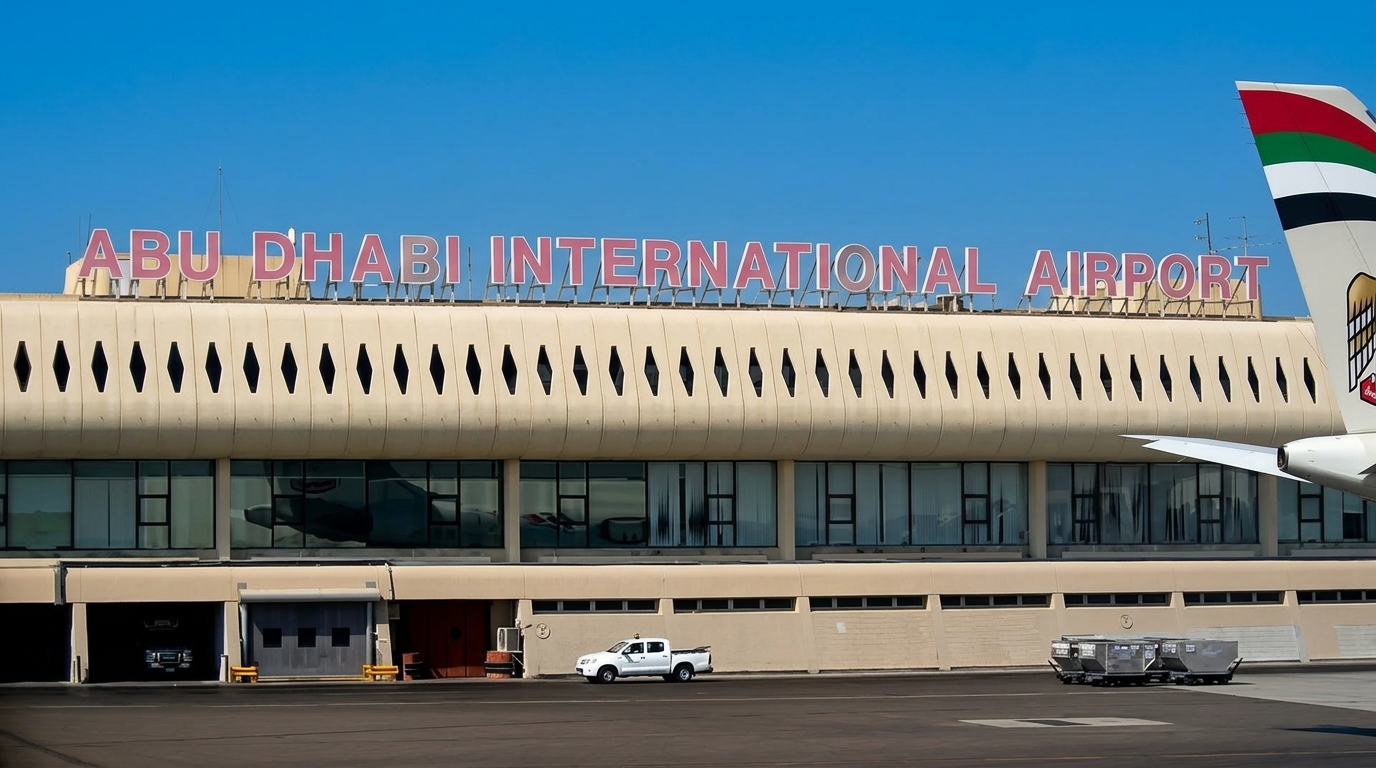
How do Abu Dhabi to Amman flights reshape short-stay demand?
- Shorter itineraries increase 2-4 night stays
- Weekend demand lifts ADR and occupancy
- Overflow flows to affordable neighbourhoods
- Dynamic pricing captures incremental yield
How do Abu Dhabi to Amman flights affect Dubai property prices and yields?
Direct answer: New Abu Dhabi to Amman flights create a modest upward pressure on short-stay nightly rates and investor yields in Dubai, with potential gross yield increases of 0.2 to 1.0 percentage points in targeted communities, and selective uplift to resale prices in neighbourhoods with high short-stay activity.
Elaboration: Investors who can switch apartments from long-term leasing to holiday letting stand to benefit most. Current market benchmarks show long-let gross yields in Dubai core locations averaging 4.5% to 6.0%, while professionally managed short-stay units can achieve 6.0% to 9.0% gross depending on ADR and occupancy. For example, a Business Bay studio sold at AED 1.05 million earning AED 420 ADR and 60% annual occupancy would generate an indicative gross yield of about 6.0%. If weekend occupancy rises by four percentage points and ADR increases to AED 440, that yield could rise toward 6.5%.
Further detail: Price movements will be neighborhood specific. Limited new supply, higher tourist arrivals and stronger short-stay performance persuade some buyers to pay a premium for plug-and-play units near metro links and leisure nodes. Market data from recent quarters shows resale premiums of 3-5% in micro-markets that converted units to short-stay inventory. Banks remain cautious: loan-to-value policies for investment purchases vary by lender and can reduce leverage benefits for yield-chasing buyers. Stakeholders should consult RERA guidelines and DLD transfer fees when modelling transaction economics.
| Community | Avg Sale Price (AED) | Avg Short-Stay ADR (AED) | Indicative Gross Yield (%) |
|---|---|---|---|
| Business Bay | AED 1,050,000 | AED 420 | 6.0 |
| Downtown Dubai | AED 1,800,000 | AED 650 | 6.1 |
| Al Barsha | AED 850,000 | AED 350 | 6.0 |
| Jumeirah Village Circle | AED 720,000 | AED 300 | 6.2 |
"Short direct routes translate into measurable weekend demand; investors who can adapt supply mix to short-stay will capture higher ADRs and better rolling yields."
— Mariam Al Qassim, Head of Research, Binayah Properties
Where should investors reposition in 2026 after Abu Dhabi to Amman route?
Where should investors reposition in 2026 after Abu Dhabi to Amman route? — Key Data
Target Areas
Business Bay, Downtown
JVC Entry Price
AED 720,000
Expected Yield Uplift
0.2-1.0%
Management Fees
18-25%
Direct answer: Investors should reposition toward centrally located, transit-accessible units in Business Bay, Downtown Dubai, and Al Barsha for short-stay upside, while adding select affordable pockets such as JVC for longer-term capital preservation and rental stability.
Elaboration: Business Bay and Downtown capture premium weekend and leisure demand that benefits most from short, cross-border trips; Business Bay studios averaging AED 1.05 million can achieve ADRs near AED 420 and deliver viable gross yields post-management fees. Al Barsha offers more affordable entry points with ADRs around AED 350 and strong family-visitor appeal for 3-5 night stays. Jumeirah Village Circle remains attractive for investors seeking 6%+ long-term yields and lower entry costs. Developer stock matters: Emaar properties in Downtown and Meraas developments in Business Bay continue to perform on occupancy metrics and brand recognition, improving short-stay conversion rates.
Further detail: Repositioning steps for 2026 should be tactical. First, prioritise units under AED 2 million within 1.5km of metro or major leisure nodes to capture walk-in and transfer traffic from Abu Dhabi arrivals. Second, implement flexible furnishing and licensing to toggle between long and short lets; professional management typically charges 18-25% of revenue, so model net yields accordingly. Third, consider fractional ownership or co-investment structures to reduce exposure while benefiting from yield uplift. DLD transaction flow and visa-linked investor demand reinforce that proximity to transport and branded projects reduces vacancy risk and accelerates revenue capture.
Key Insight
Short-stay readiness tip: Obtain the correct holiday licence early and stage professional photography. Upfront licencing and furnishing costs typically equal 1-2 months of revenue but improve ADR and occupancy by 8-12%.
- Prioritise metro-adjacent, leisure-node units
- Model net yields after management and platform fees
- Use flexible listing strategies for peak weekends
- Consider branded or developer-backed projects for trust
What regulatory and financing factors will matter with new flight links?
Direct answer: Regulatory rules on holiday licences, short-stay registration, bank loan-to-value limits and DLD transfer fees are the main constraints investors must navigate to monetise the Abu Dhabi to Amman route opportunity effectively.
Elaboration: RERA and Dubai Tourism require short-stay units to be registered, and platforms enforce licensing checks; failure to comply can lead to fines and listings removal. Financing is a second major factor: many UAE banks limit investment mortgage LTVs to 50-70% depending on residency status and property type, which affects upfront capital needs. Expect higher scrutiny on borrower cashflow when the business plan relies on variable short-stay revenue. Transaction costs also matter: DLD registration and transfer fees, plus agent commissions and service charges, can absorb 2-4% of transaction value upfront. For example, a resale purchase of AED 1.05 million in Business Bay may incur DLD and transfer-related costs approximating AED 21,000 to AED 42,000 depending on fee structure.
Further detail: Investors should work with lenders familiar with hospitality-backed cashflows and consult Binayah Properties or legal counsel on structuring purchases to preserve mortgage access. There are financing products tailored to serviced-apartment investments but they often include higher interest margins and shorter terms. Regulatory changes can be swift; monitor RERA circulars and Dubai Tourism updates. The practical advice from market lawyers is to budget an extra 3-5% in transaction and compliance costs and to secure pre-approval from a lender that recognises short-stay income in servicing tests.
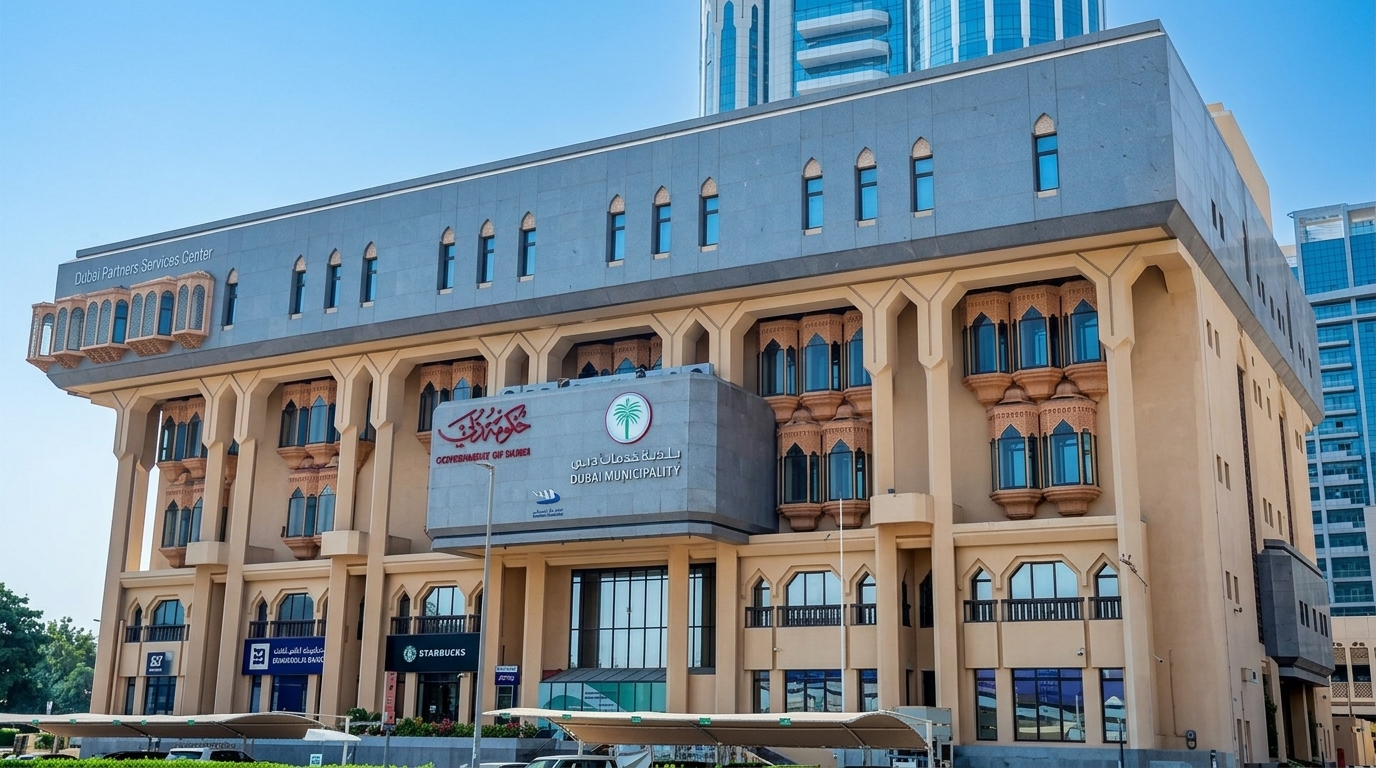
What regulatory and financing factors will matter with new flight links?
Estimated cost breakdown for a AED 1.05M short-stay investment
Relative share of purchase price allocated to fees, furnishing, and buffer costs
"Securing the right licence and lender pre-approval is more valuable than optimising price alone when short-stay income is the business case."
— Omar Haddad, Mortgage Specialist, Binayah Properties
Key Insight
Investor warning: Do not assume banks will accept gross projected short-stay revenue at face value for serviceability tests. Obtain lender pre-approval and factor in 3-5% contingency for compliance and set-up.
- RERA registration required for holiday lets
- Bank LTVs typically 50-70% for non-residents
- Budget 2-4% for DLD and transaction fees
- Seek lenders experienced with serviced-apartment loans
Key takeaway: The Air Arabia Abu Dhabi to Amman route tightens short-stay booking windows and raises weekend demand for Dubai, offering measurable but targeted yield and price upside in Business Bay, Downtown and Al Barsha.
Binayah Properties call to action: Contact Binayah Properties to receive a custom investment brief with neighbourhood-level ADR and occupancy modelling, a list of pre-screened plug-and-play units, and lender introductions for short-stay finance. Our team provides RERA-compliant setup support, projected AED cashflow scenarios and management partner recommendations so you can capitalise on the Abu Dhabi-Amman connectivity with reduced execution risk.
Binayah Editorial
Property Market Analyst
Our editorial team researches Dubai's real estate market, tracking DLD data, developer launches, and investment trends to keep buyers and investors informed.
Ready to Invest in Dubai?
Speak with our analysts about the best opportunities in today's market — free consultation.