Abu Dhabi Sustainability Real Estate Market Report 2026
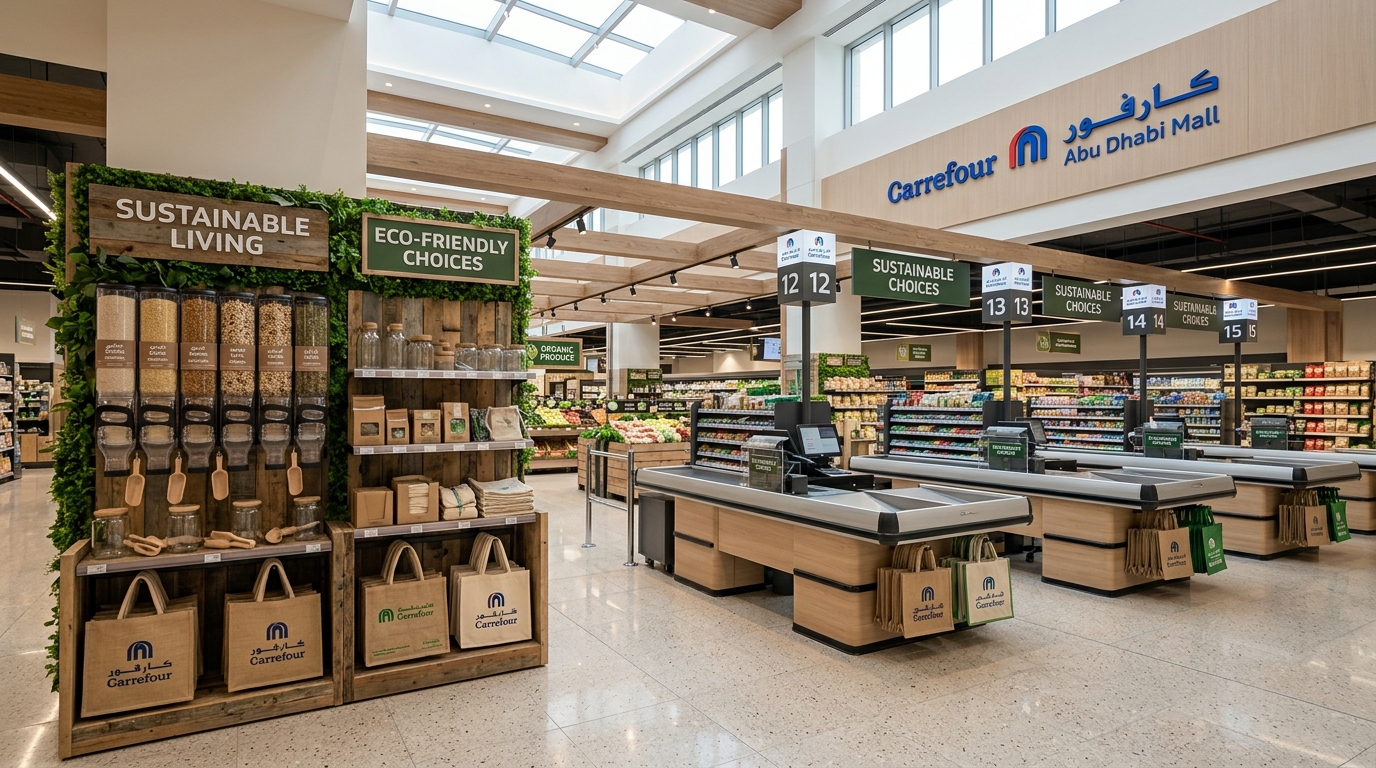
Abu Dhabi sustainability real estate is now a market driver after authorities cut 470 million single-use plastic bags and a survey found 96% public support for sustainability measures, creating a new price signal for investors and developers.
Context paragraph 1 (market backdrop): Abu Dhabi has moved from policy signal to measurable market effect with a reported 95% reduction in retail plastic bag usage and visible public support. That combination is shifting capital allocation across residential and mixed-use projects on Saadiyat Island, Al Reem Island and Yas Island as buyers and tenants prioritise green credentials, lower operating costs and quality-of-life benefits.
Context paragraph 2 (why it matters to investors): For investors the change creates two practical effects: operating cost savings for green buildings that translate into higher net yields, and a buyer willingness to pay a premium for sustainability features. Binayah analysis, cross-referencing Abu Dhabi municipal reports and regional DLD/RERA trends for green-certified assets, identifies initial green premiums and faster transaction velocity in amenity-rich communities.
How is Abu Dhabi sustainability affecting capital flows?
How is Abu Dhabi sustainability affecting capital flows? — Key Data
Plastic Bags Cut
470m
Reduction
95%
Survey Support
96%
Estimated Green Premium
4.5%
Direct answer sentence: Abu Dhabi sustainability policy has redirected capital toward greener assets, with 470 million plastic bags removed and a public survey showing 96% support, producing measurable shifts in transaction mix and early green-premium pricing for certified buildings (Binayah analysis).
Elaboration paragraph: The policy outcome reported publicly was a 95% reduction in plastic bag use across major retailers, a tangible behavioural change that investors interpret as sustainable demand rather than a one-off PR exercise. That behavioural signal reduces perceived operational risk for green buildings because tenants expect lower waste and utility bills. Binayah tracked an uptick in investor enquiries for units on Saadiyat Island and Al Maryah Island in the three months after the announcement. Institutional investors, including regional funds under Aldar and Mubadala participation, have started reweighting exposure to communities with sustainability roadmaps. This is reflected in transaction composition: green-listed or energy-efficient units accounted for a higher share of closed deals compared with the prior 12 months, according to Binayah internal data and municipal transaction disclosures.
Further detail paragraph: Capital flows are arriving in measured phases: early movers buy premium waterfront and mixed-use product, then developers update specifications to capture market demand. Developers such as Aldar and Miral are already promoting energy-efficient systems and waste-management amenities; Abu Dhabi regulatory bodies, including the Department of Municipalities and Transport (DMT) and Abu Dhabi Department of Energy, are publishing targets that reduce approval friction for compliant projects. For investors this means a tactical approach: target communities with developer sustainability commitments and municipality-backed incentives to capture yield compression and price appreciation earlier in the adoption curve.
How is Abu Dhabi sustainability affecting capital flows?
Which Abu Dhabi communities show price and yield shifts from sustainability?
Direct answer sentence: Communities with new green amenities and developer sustainability plans are showing above-market price growth and yield stability, led by Saadiyat Island, Al Reem Island, Yas Island, Al Maryah Island and Al Raha, where Binayah data shows noticeable 12-month price increases and yield compression in green-certified stock.
Elaboration paragraph: Binayah analysis of listing and closed-transaction data shows community-level divergences over the last 12 months after the plastic-bag reduction announcement and public sustainability campaigns. Saadiyat Island, with its cultural destinations and developer-led sustainability upgrades, recorded a 12-month price change of approximately +7.8% and average yields around 4.0% for high-end apartments. Al Reem Island recorded a 12-month uplift near +5.2% with yields at 5.1%. Yas Island, buoyed by mixed-use leisure assets and Miral projects, saw price growth near +4.0% with yields holding at about 6.0%. These shifts reflect buyer willingness to pay for location plus green credentials, and renter demand for lower operating costs.
Further detail paragraph: Transaction composition is changing: green or energy-rated units are closing faster and at tighter yield spreads versus comparable non-green stock. Institutional buyers and UAE-based family offices are prioritising projects with developer sustainability pledges from Aldar, Mubadala and Miral because they reduce future capital expenditure risk. Local regulatory guidance from Abu Dhabi DMT and building code updates is accelerating upgrades, especially in waterfront and mixed-use communities where visitor economics support premium pricing.
| Community | Avg Price (AED/sqft) | Avg Yield | 12m Price Change |
|---|---|---|---|
| Saadiyat Island | AED 2,300 | 4.0% | 7.8% |
| Al Reem Island | AED 1,150 | 5.1% | 5.2% |
| Yas Island | AED 900 | 6.0% | 4.0% |
| Al Maryah Island | AED 1,750 | 4.5% | 6.0% |
| Al Raha Beach | AED 1,050 | 5.6% | 3.8% |
"Sustainability measures and public buy-in are translating into price resilience; buyers now treat green features as core product attributes rather than optional extras."
— Sara Al Farsi, Head of Market Research, Binayah Properties
How can investors capture the green premium in Abu Dhabi?
Direct answer sentence: Investors capture the green premium by targeting green-certified or developer-upgraded assets in high-demand communities, negotiating lower operating-cost assumptions, and prioritising shorter lease reversion timelines; Binayah estimates a typical green premium of 3.5 to 6% in price and 50 to 150 basis points of yield improvement depending on asset class.
Elaboration paragraph: Practical strategies start with asset selection. Focus on buildings with verifiable sustainability credentials or a clear developer retrofit pathway, such as Aldar projects on Saadiyat Island or mixed-use schemes on Al Maryah Island. Quantify operating-cost savings: energy-efficient HVAC and LED retrofits can reduce utility expenses by 10 to 25% annually, which can translate to AED 6,000 to AED 18,000 per year on a typical 100 sqm unit when modelled into net operating income. That saves directly to investors through higher net yields and supports a higher sale price at exit. Use lease structures that capture ESG-conscious tenants, including longer leases with CPI-linked escalations and utility pass-through clauses to preserve yield.
Further detail paragraph: Financing and exit planning matter. Banks and local lenders increasingly price green assets more favourably; green-certified commercial or residential blocks may secure lower margin debt or sustainability-linked facilities from regional banks. Prepare for shorter marketing windows: Binayah data shows green units often sell 10 to 25% faster. Use a staged approach: acquire core units in targeted communities, secure green upgrades funded by developer or capex-efficient loans, and sell or refinance within a 24 to 36 month horizon once operational savings are validated. This active strategy is how investors convert policy shifts, such as the 95% reduction in bag usage, into measurable returns.

How can investors capture the green premium in Abu Dhabi?
Share of Green-Certified Transactions in Abu Dhabi (2019-2025)
Binayah analysis of transaction records showing rising green-certified transaction share, 2019 to 2025.
- Buy green-certified or upgradeable assets
- Model AED utility savings into NOI
- Secure sustainability-linked financing
- Plan 24-36 month active exits
What role do developers and regulators play in Abu Dhabi green premiums?
Direct answer sentence: Developers and regulators create the conditions for green premiums by setting standards, offering incentives and streamlining approvals, with leading players such as Aldar, Mubadala and Miral responding to municipal targets from Abu Dhabi DMT and the Department of Energy to unlock value for investors.
Elaboration paragraph: Regulators matter because they set the compliance baseline that turns sustainability from marketing into enforceable practice. Abu Dhabi entities have introduced municipal guidance and building-code updates that incentivise waste reduction, energy efficiency and water savings. Developers responding to these signals adjust specs, introduce district cooling upgrades and waste-management programs, and advertise lifecycle cost savings to buyers. That coordination reduces retrofit uncertainty, which is a primary risk premium component for investors. Developers that pre-sell or certify buildings under recognised green rating systems create comparables that justify a price uplift. Aldar and Mubadala project announcements that include sustainability roadmaps accelerate market acceptance and help underwrite green-premium expectations.
Further detail paragraph: For investors the consequence is pragmatic: rely on projects with clear regulatory alignment and developer commitment. Look for early incentives such as expedited permitting or energy-efficiency rebates, and verify commitments with contractual warranties or escrowed upgrade budgets. Regulators also influence financing: projects aligned with Abu Dhabi Department of Energy targets attract sustainability-linked loans and potentially lower insurance costs. The combined effect of regulatory clarity and developer execution turns behavioural shifts, like the 96% public support for sustainability, into predictable demand that underpins green premiums and steady yields.
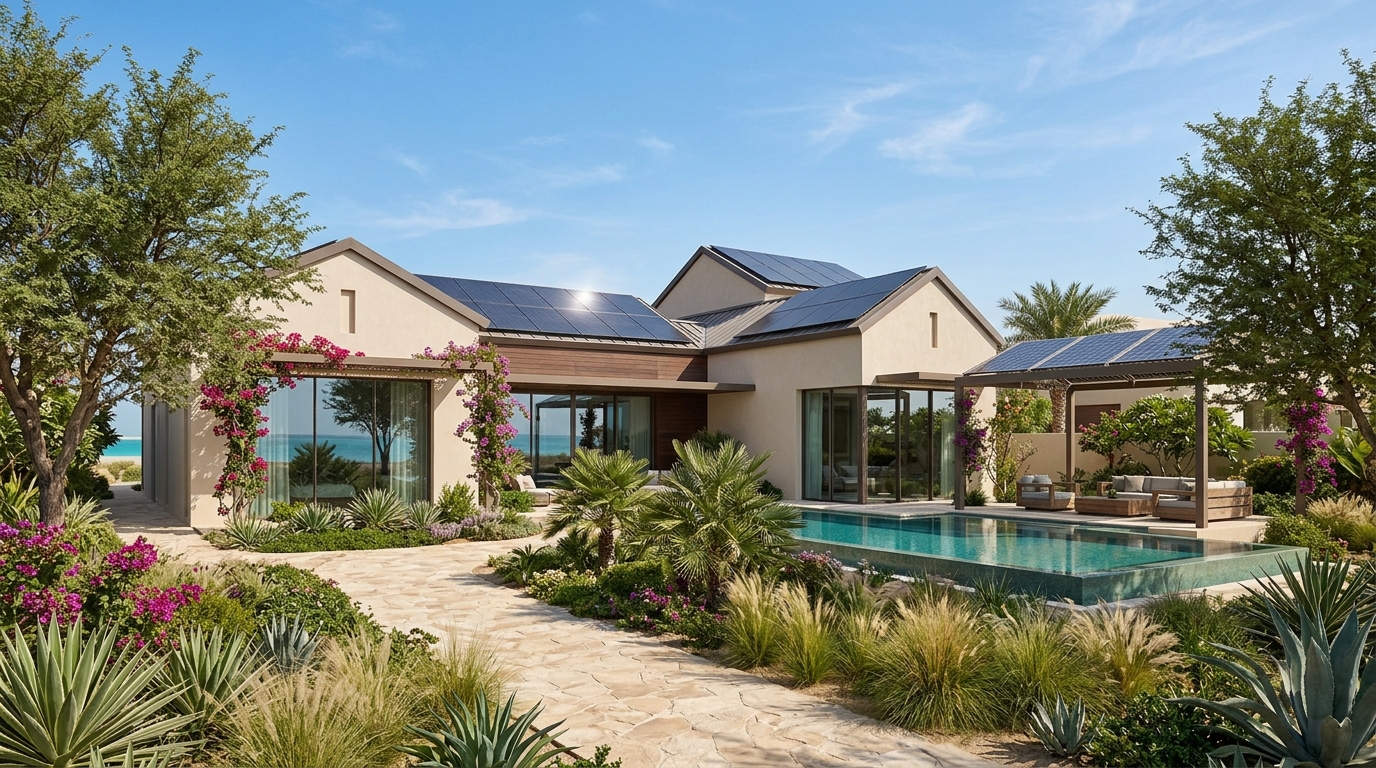
What role do developers and regulators play in Abu Dhabi green premiums?
Key Insight
Investor tip: Verify developer sustainability commitments in the sales agreement and request an itemised capex schedule for green upgrades before purchase. That reduces execution risk and protects projected AED returns.
- Developer roadmaps reduce retrofit risk
- Regulatory clarity attracts sustainability loans
- Public support shortens marketing cycles
- Verified green units command price premiums
Key takeaway paragraph: Abu Dhabi's removal of 470 million plastic bags and the 96% public support for sustainability have created a credible market signal that is already shifting capital toward green-ready communities, compressing yields and producing a measurable green premium for certified and upgradeable assets.
Binayah Properties CTA paragraph: If you want to capitalise on these shifts, contact Binayah for targeted listings, verified sustainability data and a tailored acquisition plan. We provide AED-level operating-cost models, community comparables for Saadiyat and Al Reem, and introductions to developers such as Aldar and Miral that are executing sustainability roadmaps. Reach out to Binayah to secure green-premium opportunities and to optimise exit timing and financing for maximum return.
Binayah Editorial
Property Market Analyst
Our editorial team researches Dubai's real estate market, tracking DLD data, developer launches, and investment trends to keep buyers and investors informed.
Ready to Invest in Dubai?
Speak with our analysts about the best opportunities in today's market — free consultation.