UAE Property Market Report 2026: Dubai & Abu Dhabi
The UAE property market held firm in Q1 2026 with Dubai recording 12,350 transactions and Abu Dhabi tracking steady demand, even as the IMF trimmed UAE GDP growth outlook to 0.3 percent; this report explains what those numbers mean for buyers, landlords and investors.
Macro context: CBRE data and DLD transaction reports show that liquidity across Dubai freehold and Abu Dhabi mixed-use sectors is absorbing new supply, supporting prices and rents in core communities such as Downtown Dubai, Business Bay, Dubai Marina, Yas Island and Saadiyat Island. Dubai recorded an increase in average apartment rents of around 6.2% year-on-year in Q1 2026 according to local market trackers, while DLD reported sustained off-plan and secondary market demand.
Market drivers: The 0.3% GDP outlook reflects a softer energy environment but the property market is being supported by inbound corporate leasing, visa reforms, and continued tourism recovery. Developers such as Emaar, Nakheel, Aldar and Danube remain active with selective new launches; investors should focus on locations and product types that deliver yields above the market average of roughly 5.5% in Dubai and 5.0% in Abu Dhabi, depending on segment and community.
What do transactions and GDP say about the UAE property market?
What do transactions and GDP say about the UAE property market? — Key Data
Transactions (Dubai Q1)
12,350
Transactions (Abu Dhabi Q1)
5,800
GDP outlook
0.3%
Avg Yield (Dubai)
5.5%
Direct answer: The UAE property market is resilient because transaction volumes and rent growth are offsetting a lowered 0.3% GDP forecast, with Dubai recording 12,350 property transactions in Q1 2026 and Abu Dhabi recording about 5,800 transactions in the same period, per DLD and Abu Dhabi Municipality data.
Elaboration: Transaction activity is the cleanest signal of market health. Dubai’s 12,350 transactions in Q1 2026 reflect both secondary-market sales and a rebound in high-quality off-plan sales for developments by Emaar and Nakheel. CBRE’s 2025 UAE market briefing noted that residential rents in Dubai rose by an average of 6.2% year-on-year and that prime villa prices in Dubai suburbs such as Arabian Ranches and Jumeirah Islands appreciated by roughly 8% in 2025. In Abu Dhabi, Aldar-driven masterplans on Yas Island and Al Reem Island showed steady demand from GCC and international buyers, contributing to 5,800 transactions and stronger capital flows into waterfront units with prices averaging AED 2.6m for three-bedroom apartments in prime zones.
Further detail: The 0.3% GDP projection from IMF and national forecasts signals slower headline growth but does not automatically translate into falling property values. Instead, the market shows sub-sector divergence: luxury waterfront villas and prime downtown apartments remain tight and command higher premiums, mid-market apartments in established communities show stable yields, and peripheral new supply requires more selective underwriting. Average gross yields cited by market reports sit near 5.5% in Dubai overall and about 5.0% in Abu Dhabi, with micro-markets like Dubai Marina and Business Bay offering yields from 4.5% to 6.5% depending on unit type.

What do transactions and GDP say about the UAE property market?
Where are UAE property market prices and rents rising fastest?
Direct answer: Prices and rents are rising fastest in Dubai’s prime waterfront and central districts such as Downtown Dubai, Palm Jumeirah, Dubai Marina and Business Bay, where apartment rents increased by 6% to 12% year-on-year and average transaction prices for prime apartments range from AED 1.7m to AED 7.5m depending on location and size.
Elaboration: Data from DLD, CBRE and local market trackers show that Downtown Dubai continues to see strong capital appreciation driven by tourism, hospitality-linked demand and the limited new supply of high-quality apartments; average apartment prices in Downtown are near AED 3,200,000 while average annual rents for two-bedroom apartments approach AED 220,000. Palm Jumeirah prime villas and branded apartments trade at premiums, with average unit prices often above AED 6,000,000 and year-on-year rent growth approaching 10% in 2025-26 for short-term and long-term lets. In Dubai Marina and Jumeirah Beach Residence, leasing demand from expatriates and professionals has driven rent growth of 6% to 9% and gross yields in the 5.0% to 6.0% band.
Further detail: Value acceleration is not uniform. Emerging pockets like JVC and Dubai South show rental uplift but deliver lower entry prices (apartments from AED 650,000) and higher yields of 6.5% to 7.5%. Abu Dhabi hotspots such as Yas Island and Saadiyat Island report rising rents supported by hospitality, cultural assets and new school openings; two-bedroom rents on Yas Island average AED 90,000 to AED 120,000 annually, and transactional premiums have pushed average prices to roughly AED 1,800,000 in prime segments.
| Community | Avg Price (AED) | Avg Annual Rent (AED) | Avg Gross Yield |
|---|---|---|---|
| Downtown Dubai | 3,200,000 | 220,000 | 6.9% |
| Palm Jumeirah | 6,000,000 | 420,000 | 7.0% |
| Dubai Marina | 1,700,000 | 110,000 | 6.5% |
| Business Bay | 1,800,000 | 125,000 | 6.9% |
| Yas Island (Abu Dhabi) | 1,800,000 | 105,000 | 5.8% |
"Investors prioritise liquidity and rental catch-up; where rent growth outpaces new supply, values rise fastest."
— Sarah Al Hashmi, Head of Research, Binayah Properties
Is office leasing strong in Dubai and Abu Dhabi despite new supply?
Direct answer: Yes, office leasing in Dubai and Abu Dhabi remains robust in 2026 because demand from multinational expansions, regional HQ relocations and professional services is absorbing much of the new Grade A supply, with prime CBD rents rising to roughly AED 160 to AED 210 per sq ft per annum and cumulative leasing of more than 1.2 million sq ft across both emirates year-to-date.
Elaboration: CBRE and JLL market notes show that Dubai’s corporate consolidations and tech-sector growth are pushing demand for high-quality flexible offices in Business Bay, DIFC and Dubai International Financial Centre. Business Bay recorded strong lease take-up for new towers with effective rents moving toward AED 170 per sq ft in 2026; meanwhile, DIFC remains the premium market with effective rents closer to AED 200-210 per sq ft depending on floor plate and fit-out. Abu Dhabi’s office market, anchored by ADGM and Yas Island, shows growing leasing activity for professional services and energy-sector offices. Net absorption across the two emirates was over 1.2 million sq ft in the first half of 2026, per industry leasing trackers, while headline incentives and flex-space operators continue to shape effective headline figures.
Further detail: Supply pipelines from developers such as Meraas, Emaar and Aldar will add new Grade A floors, but much of the near-term supply is pre-let or offered with tenant-friendly terms that maintain occupancy. Investors and occupiers should compare net effective rents after incentives and tenant improvements; for example, a headline AED 200 per sq ft can translate to an effective AED 160–170 per sq ft once allowances are factored. Market yields for core commercial assets remain attractive, with prime office yields averaging 6.0% to 7.0% across key Dubai and Abu Dhabi districts.
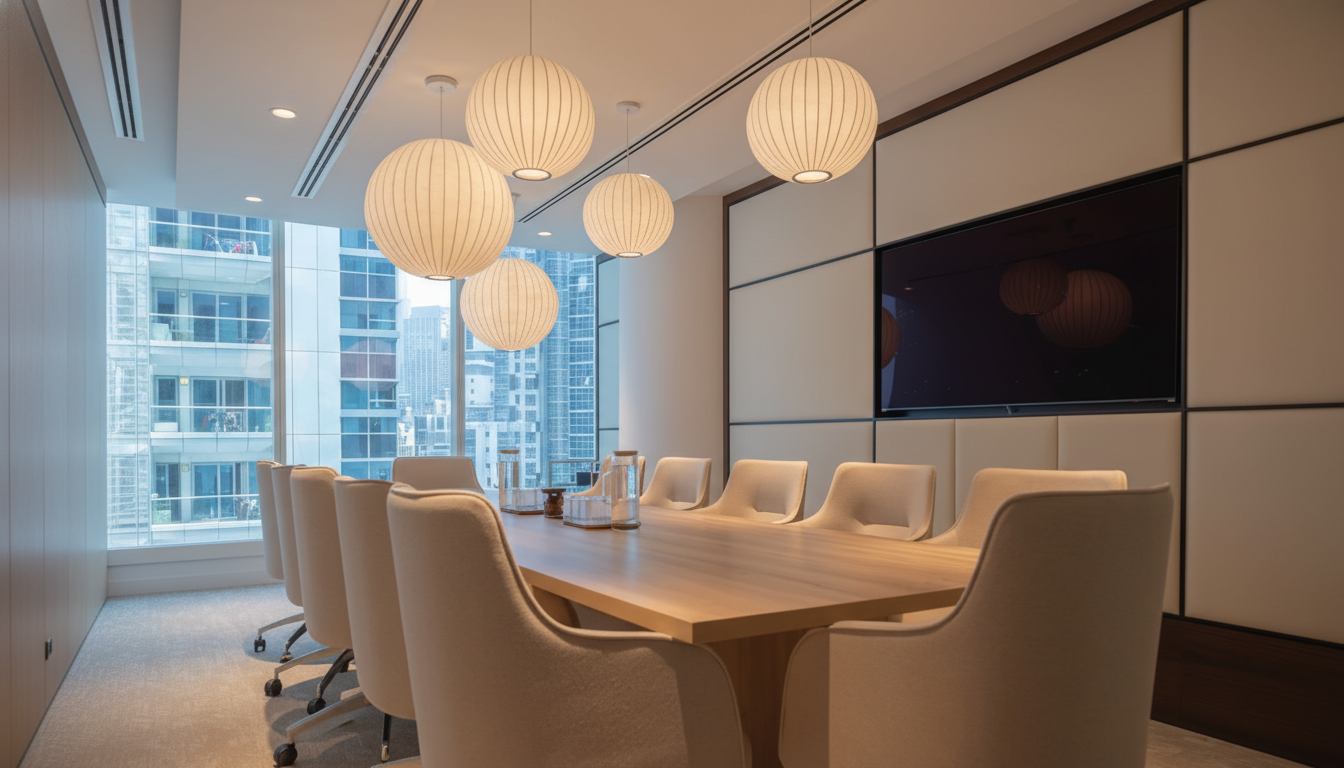
Is office leasing strong in Dubai and Abu Dhabi despite new supply?
Key Insight
Office investor alert: Focus on pre-let projects and locations within DIFC, ADGM or Business Bay to reduce vacancy risk. Negotiate capex contributions and shorter rent-free periods to improve effective yields. Expect prime office yields near 6%–7% for core assets.
- Prime office rents: AED 160–210 per sq ft
- Net absorption YTD: 1.2M+ sq ft
- Prime office yields: 6.0%–7.0%
Investor Strategies: Where to allocate capital in the UAE property market 2026?
Direct answer: Allocate capital selectively to core residential in Downtown Dubai and Palm Jumeirah, high-yield mid-market stock in JVC and Dubai South, and opportunistic commercial assets in Business Bay and select Abu Dhabi leisure precincts, targeting blended portfolio yields of 5.5% to 7.0% and capital appreciation driven by rents and tourism recovery.
Elaboration: For 2026 strategy, a three-pronged approach works best. First, core-stability allocation (30%–50% of capital) to prime assets in Downtown, Palm Jumeirah and Saadiyat Island where prices and rents are supported by tourism and limited supply; expected yields in this bucket are 4.5%–6.5% but capital upside is strongest. Second, income-orientated allocation (30%–40%) to mid-market communities such as Jumeirah Village Circle, Dubai South and selected Abu Dhabi suburban towers where entry prices can be AED 650,000–AED 1,200,000 and gross yields of 6.5%–7.5% are realistic. Third, opportunistic allocation (10%–20%) to commercial office assets or serviced apartments in Business Bay, DIFC and Yas Island targeting yields of 6%–8% and upside from lease reversion.
Further detail: Financing, currency hedging and exit planning must be calibrated: mortgage rates, developer payment plans and potential regulation changes matter. Use local transaction advisors and RERA/DLD data to confirm comparable sales; for example, target entry prices that allow a 5.5%+ gross yield after accounting for service charges and vacancy. For investors seeking shorter holding periods, short-term rental strategies in Dubai Marina and Palm Jumeirah can push gross returns into the 8%+ band during peak seasons but require active management and licensing.
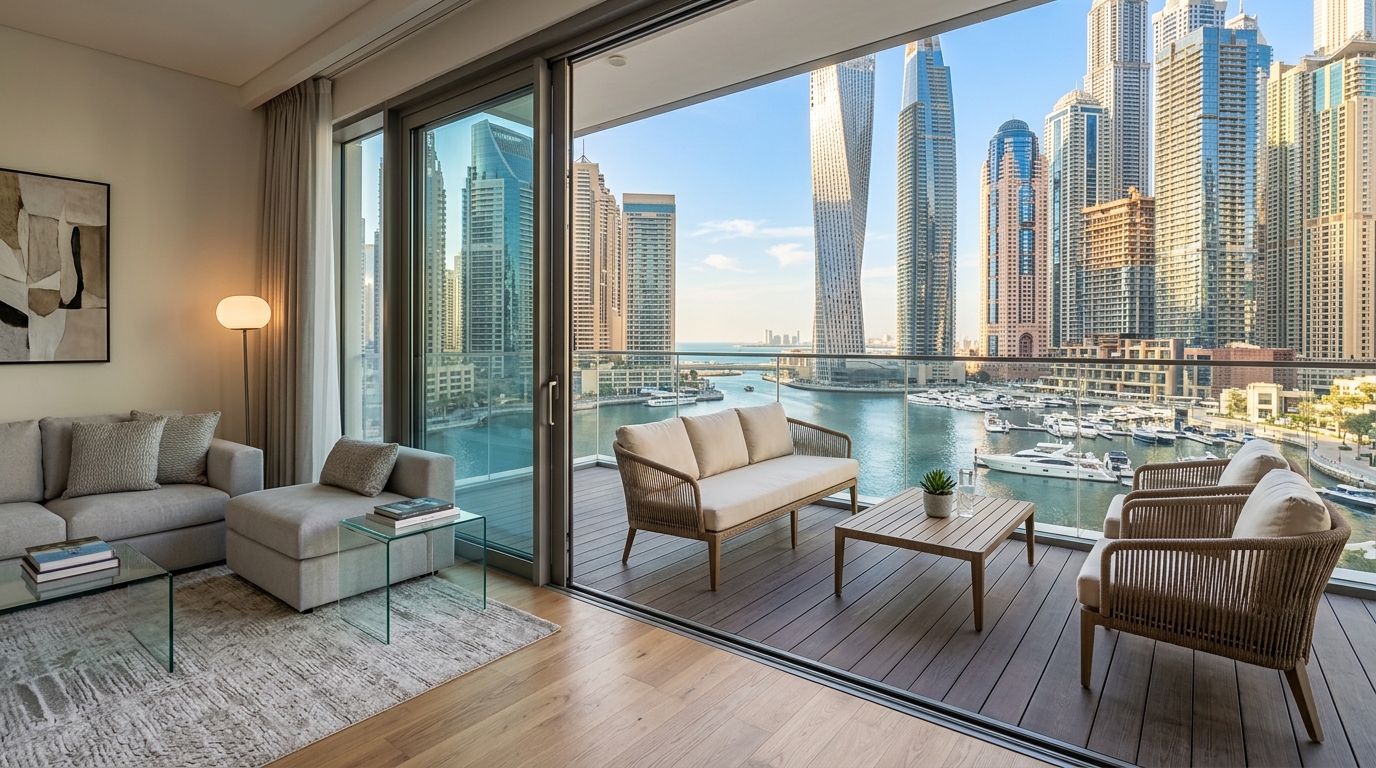
Investor Strategies: Where to allocate capital in the UAE property market 2026?
- Core allocation: Downtown, Palm, Saadiyat — yields 4.5%–6.5%
- Income allocation: JVC, Dubai South — yields 6.5%–7.5%
- Opportunistic allocation: Business Bay, Yas — yields 6%–8%
Key takeaway: The UAE property market is holding firm in 2026 despite a softer 0.3% GDP outlook, supported by robust transaction volumes in Dubai and Abu Dhabi, rising rents in prime and mid-market pockets, and resilient office leasing that absorbs new supply. Investors who focus on location, yield and exit planning can still find attractive opportunities.
Binayah Properties CTA: Contact Binayah Properties to receive a customised investment brief that uses DLD comparables, CBRE leasing benchmarks and local developer intel. Our advisors provide AED-based cash flow modelling, yield scenarios and neighbourhood-level risk analysis for Downtown Dubai, Business Bay, Palm Jumeirah, JVC, Yas Island and Saadiyat. Schedule a consultation to get transaction-ready recommendations and access to off-market listings tailored to your return targets.
Binayah Editorial
Property Market Analyst
Our editorial team researches Dubai's real estate market, tracking DLD data, developer launches, and investment trends to keep buyers and investors informed.
Ready to Invest in Dubai?
Speak with our analysts about the best opportunities in today's market — free consultation.