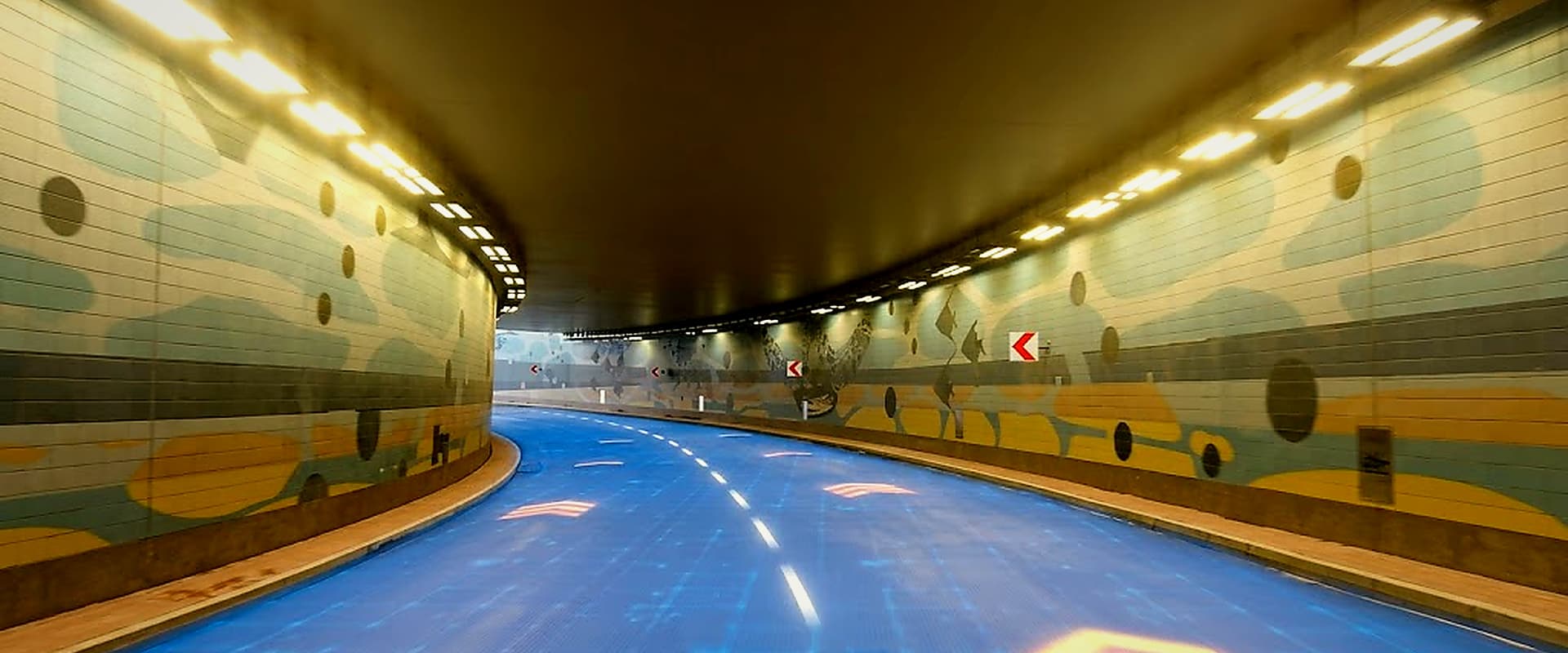
Over 40 traffic tunnels across Dubai will be turned into public artworks under the Dubai tunnel art initiative, creating landmark walking routes, safer pedestrian links and major place-making as part of the Dubai 2040 Urban Master Plan.
The Roads and Transport Authority and Dubai Culture jointly announced a program to convert more than 40 tunnels into creative public spaces that use lighting, mapped murals and digital projection to improve safety and local amenity. The project sits inside the Dubai 2040 Urban Master Plan and targets high-traffic underpasses along arterial roads, metro-connected corridors and neighbourhood links to create continuous pedestrian-friendly routes and cultural wayfinding.
For buyers and investors the tunnel conversions are a citywide placemaking programme that will concentrate benefit near metro interchanges and mixed-use hubs like Business Bay, Al Quoz, Al Barsha and Jumeirah. Early public budgets reported by RTA and Dubai Culture suggest a multi-year rollout with estimated expenditure of roughly AED 150 million, offering targeted micro-investment opportunities for developers and residential owners looking to reposition assets in 2025 to 2030.
Where are the 40 tunnels located in Dubai?
Where are the 40 tunnels located in Dubai? — Key Data
Tunnels
40+
Budget
AED 150,000,000
Start Year
2025
Average per Tunnel
AED 3,750,000
Direct answer: The 40-plus tunnel conversions are concentrated along major traffic corridors and metro-linked neighbourhoods including Sheikh Zayed Road underpasses, Business Bay, Al Quoz service tunnels, Al Khail Road crossings, Al Barsha and Jumeirah pedestrian underpasses, with additional nodes near Dubai Creek Harbour and Dubai Marina, prioritised for high footfall and developer adjacency. This location strategy was set out by RTA and Dubai Culture to link residential clusters, retail corridors and key tourist routes so that converted tunnels function as safe pedestrian connectors and cultural waypoints between mixed-use communities.
Elaboration: RTA has identified clusters where conversion delivers the most urban benefit: three corridors on Sheikh Zayed Road close to Business Bay and DIFC, two linking Al Khail Road to new affordable housing pockets, and a series of pedestrian underpass upgrades around metro stations including Dubai Marina and Mall of the Emirates. Dubai Culture’s remit adds cultural programming and artist commissioning for mapped murals and projection works. Preliminary budget figures released by project planners point to approximately AED 150 million total, which implies average per-tunnel investment near AED 3.5 million but with wide variance depending on lighting, structural work and digital mapping components.
Further detail: For real estate stakeholders the geographic map matters because proximity determines measurable value effects. Areas within a 500 metre radius of a converted tunnel are expected to see heightened footfall and local amenity, which RTA modelling estimates could support 1.0 to 3.5 percent uplift in local retail turnover and a potential 0.5 to 1.5 percent capital value premium over five years according to precedent studies referenced by Dubai Land Department and municipal placemaking reports. Developers such as Emaar, Nakheel and Meraas who own mixed-use assets near planned nodes will be the primary private beneficiaries through improved street presence and higher retail rents.
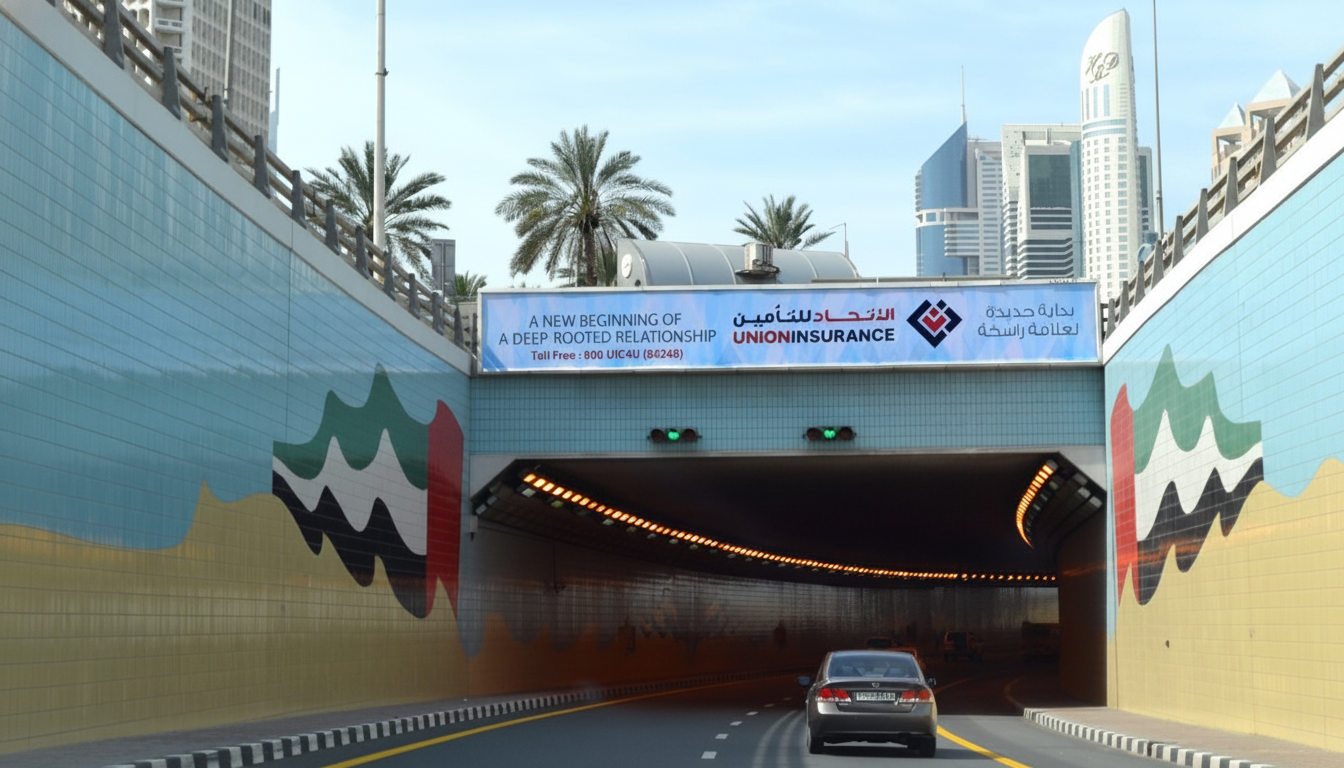
Where are the 40 tunnels located in Dubai?
How will Dubai tunnels be turned into light sculptures and mapped murals?
Direct answer: Conversions will combine architectural lighting, projection mapping, public murals and interactive LED installations to create navigable light sculptures and mapped murals that improve visibility, wayfinding and cultural identity while meeting RTA safety standards and Dubai Culture artistic briefs. The design strategy layers practical safety upgrades with cultural programming to produce imaginative but durable public artworks.
Elaboration: The design strategy set by Dubai Culture and RTA specifies three primary interventions: high-CRI LED lighting to remove dark spots and improve pedestrian safety, large-scale mapped mural backdrops for storytelling and wayfinding, and projection mapping or interactive sensors for timed shows near plazas and transit hubs. Cost components vary by treatment; LED retrofit and civil repairs typically run AED 500,000 to AED 1.5 million per tunnel, while full projection mapping and bespoke artist commissions can add AED 1 million to AED 4 million each. The combined approach balances fixed infrastructure spending that meets RTA structural and drainage standards with flexible creative programming budgets administered by Dubai Culture.
Further detail: Implementation will prioritise low-maintenance materials and energy-efficient systems. RTA plans include integration with existing street lighting circuits and CCTV, while Dubai Culture will manage artist selection, public engagement and launch programming. Developers benefit from design standards that improve curb appeal near mixed-use sites; a successful lighting and mural intervention can lift night-time pedestrian counts by 20 to 60 percent based on comparable urban art projects in the region and can contribute to localized retail rental gains of AED 15-35 per sq ft annually in immediate catchment areas. These figures guide owner decisions on retail leasing and repositioning strategies.
| Design Element | Typical Cost Range (AED) | Primary Benefit |
|---|---|---|
| LED lighting retrofit | AED 500,000 - AED 1,500,000 | Improves safety and visibility |
| Mapped murals and artwork | AED 200,000 - AED 1,200,000 | Place identity and wayfinding |
| Projection mapping & shows | AED 1,000,000 - AED 4,000,000 | Cultural programming and events |
| Structural repairs & drainage | AED 300,000 - AED 1,000,000 | Longevity and safety compliance |
"Successful tunnel art must tie technical upgrades to local storytelling so infrastructure becomes a community asset, not only a visual display."
— Layla Al Marri, Urban Designer, Dubai Culture
Which contractors are building the Dubai tunnel art project and what is the timeline?
Direct answer: RTA will lead construction procurement with specialist lighting and digital-media contractors contracted through competitive tenders, while Dubai Culture will commission artists and content providers; the publicly stated timeline phases start mobilisation in 2025 with staged completions through to 2030 depending on corridor complexity and approvals.
Elaboration: Procurement will separate civil and safety works from artistic and digital components. Civil packages, handled by major contractors with road and tunnel experience, include structural repairs, drainage upgrades and electrical rewiring to meet RTA standards. These packages will likely be awarded to firms that have previously worked with RTA and Dubai Municipality such as ALEC, Al Ghurair or contractors within the Dubai Roads framework, though final awards will be announced in RTA tender bulletins. Parallel specialist contracts for lighting, LED systems and projection equipment will go to firms experienced in urban media facades and theatre-grade projection. Dubai Culture will publish artist briefs and commissioning rounds; artist fees plus programming budgets account for an estimated AED 20 to 35 million of the overall program.
Further detail: The phased delivery plan reduces disruption to traffic and accelerates openings in key commercial nodes. Phase 1 will target 8 to 12 tunnels in Business Bay, Dubai Marina and Mall of the Emirates zones for 2026 completion, with Phase 2 covering Al Quoz and Jumeirah underpasses through 2027 to 2028, and final corridors along arterial roads completed by 2029 to 2030. RTA schedule contingencies account for utility relocations and coordination with developers such as Emaar, Nakheel and Dubai Holding where tunnels sit adjacent to major developments. Estimated contract values for major civil packages per corridor range from AED 10 million to AED 45 million depending on scope, with smaller specialist packages for lighting and media at AED 1 million to AED 6 million each.
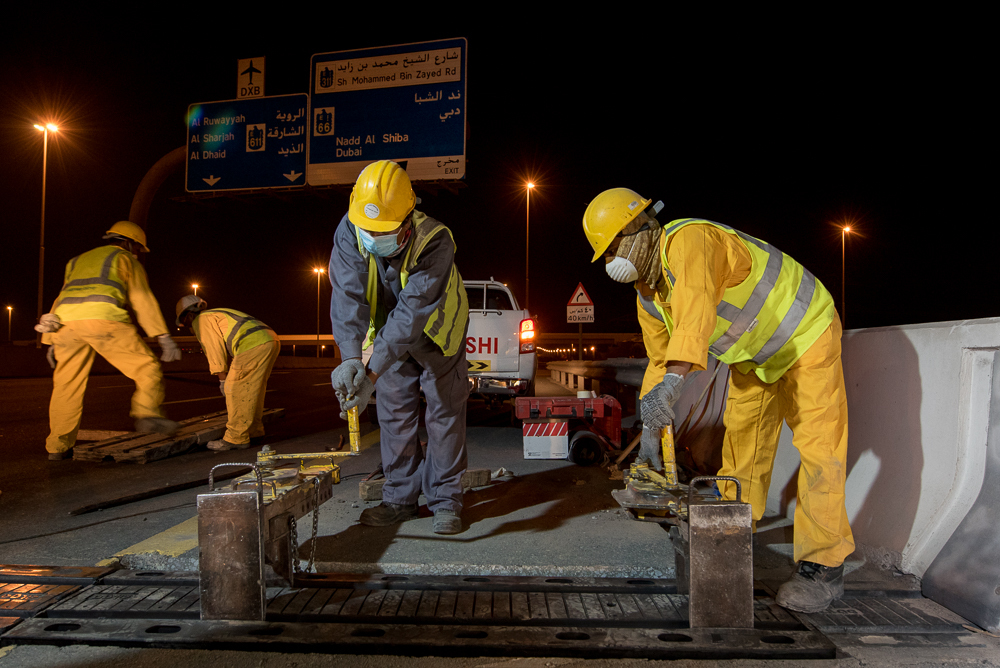
Which contractors are building the Dubai tunnel art project and what is the timeline?
Key Insight
Investors should map planned tunnel nodes against portfolio assets. Projects near metro hubs and mixed-use developments often unlock rental and capital increases; early engagement with developers or RTA planning can inform repositioning and leasing strategies.
- Phase 1: 8-12 tunnels (2025-2026)
- Phase 2: 12-16 tunnels (2027-2028)
- Final phases completed by 2029-2030
- Artist commissions budget: AED 20-35m
How will tunnel conversions impact neighbourhoods, developers and property values?
Direct answer: Tunnel conversions will raise local amenity, increase night-time footfall and support higher retail rents and modest capital uplift in adjacent neighbourhoods, with modeled outcomes showing retail rental gains of AED 15-35 per sq ft annually and potential residential capital appreciation of 0.5 to 3.0 percent over five years in immediate catchments according to municipal placemaking precedents.
Elaboration: Placemaking infrastructure like tunnel art changes perception and usability of urban spaces which funnels consumer spending into nearby retail and F&B outlets and strengthens tenant demand for well-located apartments and offices. Developers who already operate in affected corridors such as Emaar in Business Bay, Nakheel in Dubai Marina and Meraas in Jumeirah Beach Residence will likely see measurable uplift in leasing velocity and occupier retention. The Dubai Land Department has documented cases where targeted public realm improvements correlate with transaction volume increases; RTA project modelling anticipates a 10 to 25 percent rise in evening pedestrian counts at converted sites, which supports higher retail turnover and justifies rent increases within a 300 to 500 metre catchment.
Further detail: For investors the scale and longevity of impact will depend on adjacency to integrated transport nodes and the presence of active ground-floor uses. Mixed-use communities with street-facing retail will capture the majority of short-term rental upside while suburban residential pockets may experience steadier capital gains. Conservative investor scenarios provided by market analysts estimate a 0.5 to 1.5 percent yield improvement for well-located rental apartments and a 1.0 to 3.0 percent capital uplift over five years, translating into incremental transaction value of AED 50,000 to AED 350,000 on mid-range apartments depending on community. Strategic repositioning by developers can magnify benefit by adding curated retail, event programming and signage that leverages the renewed footfall.
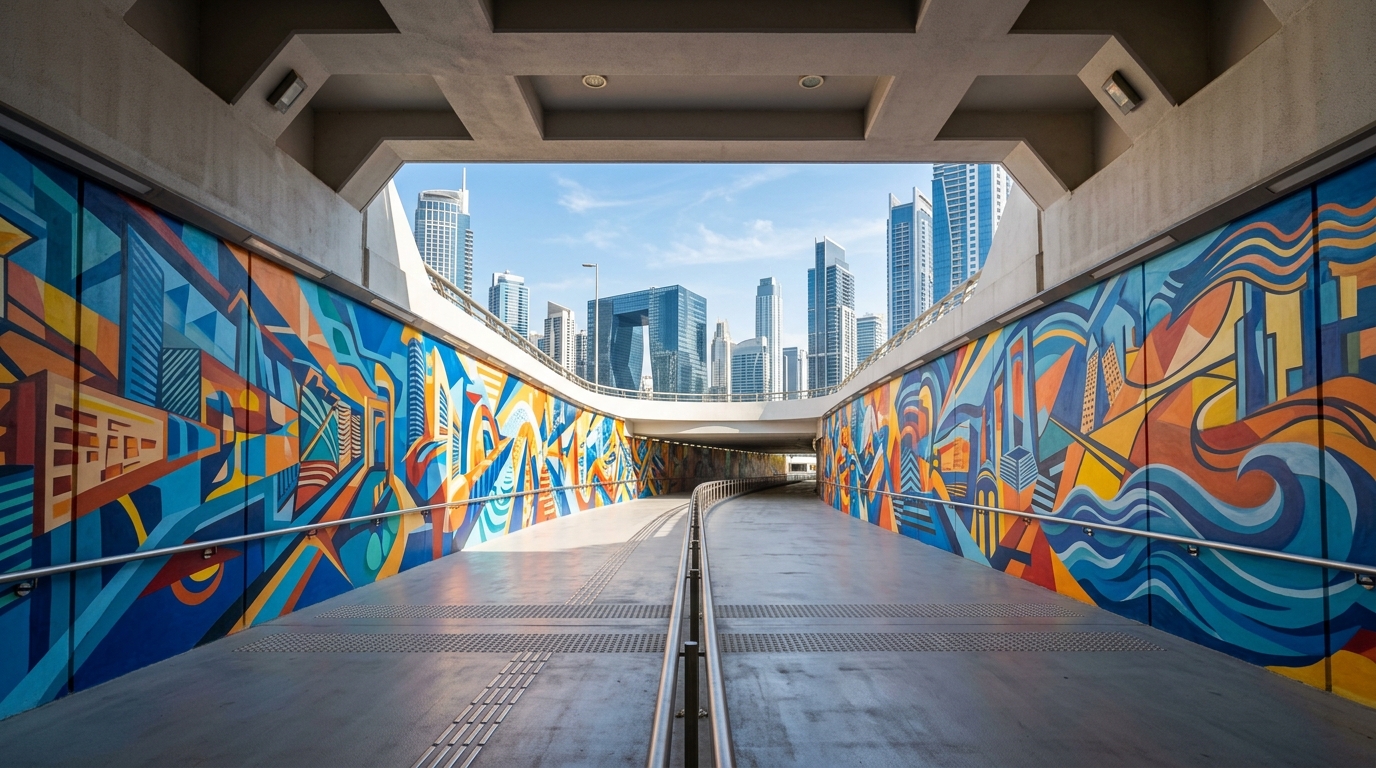
How will tunnel conversions impact neighbourhoods, developers and property values?
Estimated neighborhood effects: pedestrian and value uplift
Projected % changes in pedestrian counts and property values within 500m of converted tunnels.
Key takeaway: The Dubai tunnel art programme led by RTA and Dubai Culture is a strategic placemaking initiative converting over 40 tunnels into lit, mapped and artistically programmed public assets, with an estimated AED 150 million budget and phased delivery between 2025 and 2030. The conversions are targeted at metro-linked corridors and high-footfall mixed-use nodes where they can materially improve safety, night-time activity and localized retail performance.
Binayah Properties CTA: If you own or manage property near Business Bay, Dubai Marina, Al Quoz, Al Barsha or Jumeirah, Binayah can provide actionable valuation modelling, acquisition and resale strategies that incorporate the tunnel conversion timetable. Our market team uses DLD transaction analytics and RTA planning notices to estimate likely rental and capital impacts in AED and percentage terms, help prepare repositioning plans, and advise on leasing strategies to capture uplift. Contact Binayah Properties to schedule a neighbourhood report and investor consultation tailored to your asset and timeline.
Binayah Editorial
Property Market Analyst
Our editorial team researches Dubai's real estate market, tracking DLD data, developer launches, and investment trends to keep buyers and investors informed.
Ready to Invest in Dubai?
Speak with our analysts about the best opportunities in today's market — free consultation.