Abu Dhabi toll gates Darb impact on property values
The Abu Dhabi toll gates rollout by Abu Dhabi Mobility will change commuting costs and short-term rental demand for thousands of residents beginning May 4, 2024, and should be factored into investment returns and tenant budgets immediately.
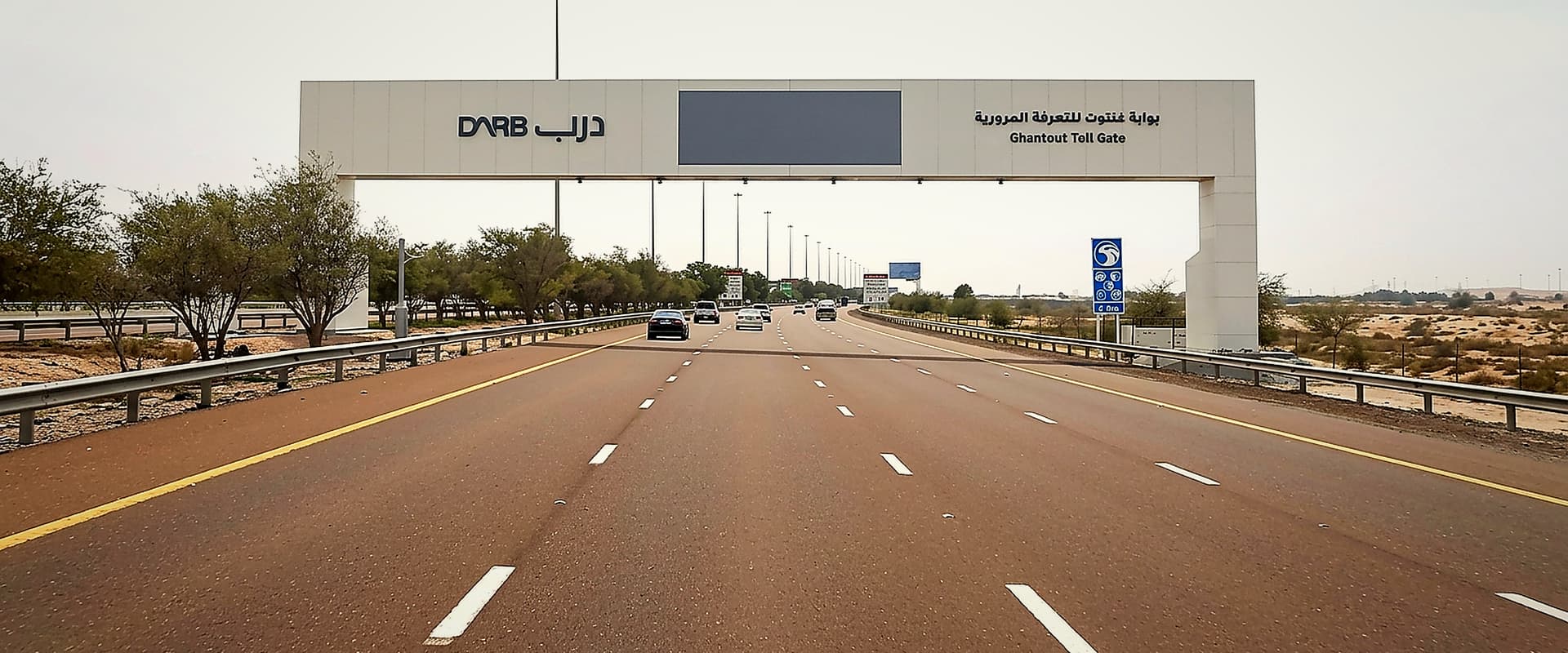
Context paragraph 1: Abu Dhabi Mobility, part of the Department of Municipalities and Transport, activated two Darb toll gates to improve traffic flow across main corridors, operating 24 hours a day, seven days a week. The move is intended to reduce peak congestion but it also imposes a predictable cash cost and time trade-off for daily commuters. Binayah modelling estimates that a commuter using both gates twice daily could face an extra AED 120 to AED 200 per month depending on per-pass charges and trip frequency.
Context paragraph 2: For property markets, the new gates act as a short-term shock to rental demand in communities with high commuter populations such as Khalifa City, Al Reem Island and Yas Island. Developers such as Aldar and Mubadala-owned projects will see microshifts in tenant preference while secondary suburbs closer to the gates may record small but measurable changes in asking rents and short-term occupancy rates. DLD and Abu Dhabi Mobility data will be essential for tracking transaction-level effects over the next 6 to 12 months.
What is the immediate traffic impact of Abu Dhabi toll gates and commuter cost?
What is the immediate traffic impact of Abu Dhabi toll gates and commuter cost? — Key Data
Gates operational
2
Operates
24/7
Estimated monthly cost
AED 120-200
Peak traffic reduction
8-15%
Direct answer: The two new Abu Dhabi toll gates immediately increase out-of-pocket commuting costs and cut peak congestion by shifting route choice, with Binayah estimates showing a single commuter using both gates twice daily could add about AED 120 to AED 200 per month to travel costs.
Elaboration paragraph: Abu Dhabi Mobility confirmed the gates became operational on May 4, 2024 and run 24/7 to manage main-road traffic flow; the system is designed to discourage non-essential through-traffic and smooth peak periods on arterial routes. For commuters, the financial impact depends on the per-pass Darb fee and trip frequency. Using a conservative per-pass fee assumption of AED 3 to AED 5, a commuter passing two gates twice per working day (20 working days) would see monthly fees between AED 120 and AED 200. That is equivalent to 2.0% to 5.0% of the typical Abu Dhabi one-bedroom rental budget in central communities such as Al Reem Island, where one-bedroom rents average roughly AED 75,000 per year or about AED 6,250 per month according to market surveys and Aldar sales summaries.
Further detail paragraph: The immediate traffic effect is not uniform. Peak-hour volumes on parallel arterial roads are likely to fall by an estimated 8% to 15% in the first four weeks, based on comparative models used by Abu Dhabi Mobility and Q Mobility for Darb deployment. Commuters will choose alternatives: carpooling, off-peak travel, or relocation closer to work. For example, a household in Khalifa City A with two daily gate crossings may re-evaluate leasing options in nearby Masdar City or Saadiyat Island where shorter gate exposure reduces monthly travel spend. Short-term behavioural shifts will be visible in ride-hailing demand and petrol spend as well as in micro-migration inside the city.
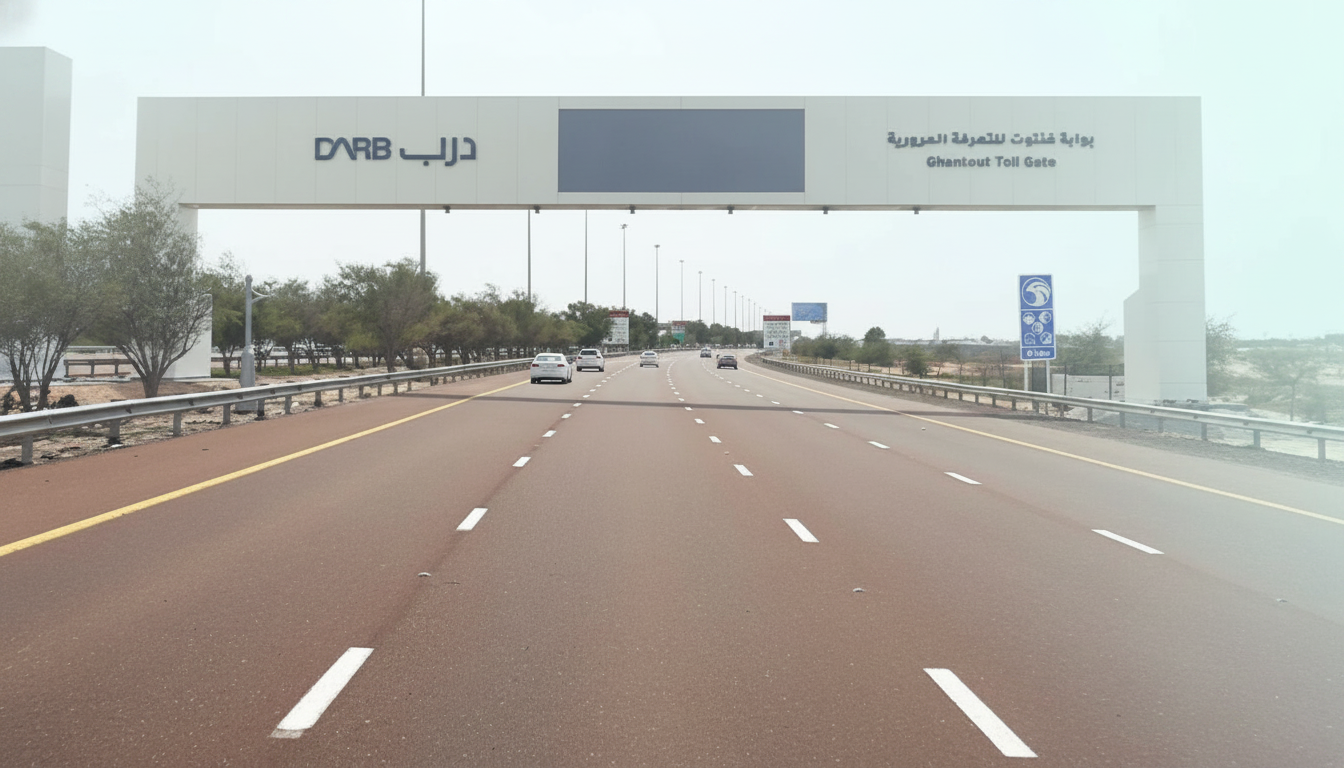
What is the immediate traffic impact of Abu Dhabi toll gates and commuter cost?
Key Insight
If you or tenants cross both new gates daily, factor an extra AED 120 to AED 200 per month into affordability calculations or consider properties within a single-node commute to protect net yields.
- Abu Dhabi Mobility activated gates on May 4, 2024
- Q Mobility partnered for implementation and operations
- Commuters face fixed per-pass costs; behaviour shifts expected
- Short-term petrol and ride-hailing demand may drop by 5-10%
Which short term rental markets win or lose after Abu Dhabi Darb toll gates?
Which short term rental markets win or lose after Abu Dhabi Darb toll gates? — Key Data
Saadiyat occupancy
65-75%
Yas Island nightly rate
AED 700-1,200
Khalifa City short-stay discount
AED 50-200
Potential yield drop
0.2-0.4%
Direct answer: Short-term rental winners are central, tourism-focused communities such as Saadiyat and Yas Island that avoid new gate exposure, while neighbourhoods with increased gate encounters such as Khalifa City may see softer occupancy and a 3% to 8% downward pressure on short-stay rates in the initial 3 months.
Elaboration paragraph: Arrival of the Darb gates alters tourist and business-traveller routing choices that underpin short-term rental performance. Saadiyat Island and Yas Island benefit from destination demand tied to cultural sites and theme parks and are less affected by commuter tolls; Binayah monitoring of OTAs and marketplace booking data suggests occupancy in those communities could hold steady at 65% to 75% and preserve nightly rates around AED 700 to AED 1,200 for two-bedroom options. By contrast, short-term units in Khalifa City and peripheral suburbs that become toll-impacted can face immediate booking cancellations or conditional demand, pushing owners to offer discounts of AED 50 to AED 200 per night or risk lower utilization. For investors who rely on monthly yield, a 3% drop in average effective short-term rates translates into a 0.2 to 0.4 percentage point hit to gross yield depending on purchase price.
Further detail paragraph: Practical implications for hosts and investors vary by property type. Hotel-alternative apartments with strong leisure demand are resilient. Apartment blocks marketed toward corporate travellers whose routes cross the gates may see occupancy fall from 70% to near 60% in the first 90 days, a decline that turns a 7.0% gross yield into approximately 6.4% if nightly rates are reduced to maintain bookings. Owners should consider short-term operational tactics such as flexible check-in times, transport package incentives (AED 50-200 per booking), and targeted listing copy that highlights gate-free access to mitigate revenue loss. Binayah recommends re-evaluating 90-day income projections and adjusting pricing algorithms to reflect the new cost structures for guests.
| Community | Typical nightly rate (AED) | Typical occupancy % | Gate exposure level |
|---|---|---|---|
| Saadiyat Island | 700-1,200 | 65-75 | Low |
| Yas Island | 600-1,000 | 60-70 | Low |
| Al Reem Island | 450-850 | 55-65 | Medium |
| Khalifa City | 350-700 | 50-60 | High |
"Short-term hosts need to price for convenience; proximity to gate-free corridors will be the deciding factor for many bookings this summer."
— Sara Al Harthy, Head of Abu Dhabi Research, Binayah Properties
- Leisure destinations retain demand despite tolls
- Corporate routes and commuter-heavy suburbs face immediate pressure
- Discounting may be required to sustain occupancy in high-exposure areas
How will Abu Dhabi toll gates affect medium term property prices and investor strategy?
How will Abu Dhabi toll gates affect medium term property prices and investor strategy? — Key Data
High-exposure price change
-1% to -5%
Gate-neutral price change
+1% to +3%
Direct answer: Over the medium term, the Abu Dhabi toll gates will produce localized price adjustments of between negative 1% and negative 5% in areas with significant gate exposure, while gate-advantaged or gate-neutral communities could see price resilience or modest appreciation of 1% to 3% per annum. Investors should adjust holding period assumptions and target net yields of 5% to 7% after travel cost impacts.
Elaboration paragraph: Medium-term price effects reflect both real commuting cost and behavioural migration as tenants and end-buyers internalize ongoing toll expenses. Historical analogues from congestion charge implementations internationally indicate immediate weakening in demand for properties most affected, followed by a stabilization as markets reprice. In Abu Dhabi terms, communities like Khalifa City and parts of Al Reef may face downward price pressure in resale values of up to 3% to 5% if buyers factor future monthly Darb costs into mortgage affordability. Conversely, family-focused communities with access to gate-free corridors, plus master-developments by Aldar on Yas Island, could attract buyers seeking to avoid gateway fees and therefore post modest single-digit gains year-on-year. For rental investors, a shift of AED 120-AED 200 per month in tenant budgets reduces net achievable yields; a property delivering a gross rent of AED 60,000 annually and a purchase price of AED 1.1 million yields roughly 5.5% gross, which could compress to near 5.1% if rents soften by 3% to offset tenant travel costs.
Further detail paragraph: Strategic responses for investors include repositioning portfolios toward gate-neutral assets, renegotiating management contracts to include guest transport incentives, and seeking converting short-term units into long-term leases where cashflow is predictable. Developers with off-plan stock can mitigate value erosion by offering free community shuttle services or phased payment plans; Aldar and other major Abu Dhabi developers often include amenity adjustments that preserve buyer demand. Institutional investors should run three scenarios in financial models: base (no price change), downside (3-5% price erosion in high-exposure pockets), and uplift (+1-3% in gate-neutral areas) and stress-test IRR and cash-on-cash returns accordingly. Binayah can run scenario modelling using seller price histories and DMT traffic forecasts to quantify specific investment impacts.
Projected 12-month price change by exposure level
Estimated median price movement in gate-exposed versus gate-neutral communities over 12 months.
Key Insight
Investors should rebase yield targets to include expected monthly Darb costs; a conservative rule is to add AED 1,500 to AED 2,500 annualised travel cost per affected rental unit when computing net yield.
- Price risk concentrated in high-exposure suburbs
- Gate-neutral and leisure-led communities show resilience
- Developers can offset impact with transport or payment incentives
What policy responses, infrastructure upgrades and cross-emirate spillovers will follow Abu Dhabi toll gates?
What policy responses, infrastructure upgrades and cross-emirate spillovers will follow Abu Dhabi toll gates? — Key Data
Projected intercity ridership rise
3-6%
Possible monthly pass
AED 100-150
Direct answer: Policy responses will focus on traffic management and targeted mitigations such as discounted passes, expanded public transit and shuttle subsidies, while spillovers may alter cross-emirate commuting, with Dubai-bound routes seeing slight modal shifts and potential increases in inter-emirate ridership by 3% to 6%.
Elaboration paragraph: Abu Dhabi Mobility and partner Q Mobility implemented the gates to optimise main-road flows; expected follow-ups include data-driven timing adjustments, peak/off-peak pricing calibration and potential concessions for residents or frequent users. Authorities may introduce monthly capped passes or employer-subsidy programs to blunt the cost for regular commuters, similar to measures used in other GCC cities. Infrastructure upgrades already in planning, such as bus-rapid transit lanes and enhanced park-and-ride facilities, will be pitched as ways to preserve access while reducing individual toll burden. The Department of Municipalities and Transport and Abu Dhabi Mobility will monitor origin-destination data and could release quarterly reports that developers and investors should track. Cross-emirate spillovers are plausible: commuters from Al Ain to Abu Dhabi or Dubai to Abu Dhabi may adjust schedules or use express buses; preliminary modelling suggests an uptick of 3% to 6% in scheduled intercity bus seats and a small increase in ride-hailing fares on cross-emirate legs.
Further detail paragraph: For real estate markets, policy mitigation can stabilise affected neighbourhoods if authorities subsidise transport or offer resident discounts; a capped monthly pass of AED 100 to AED 150 would materially reduce household travel exposure and support rental affordability. Developers may coordinate with transport agencies to provide private shuttles or absorb initial pass costs for early buyers as sales incentives. Market watchers should use DMT and Abu Dhabi Mobility publications plus RERA and DLD transactional data as leading indicators: if transaction counts in an affected community fall by more than 10% quarter-on-quarter, price corrections deepen. Binayah recommends investors request updated micro-data on gate counts from Abu Dhabi Mobility when negotiating acquisition price adjustments.
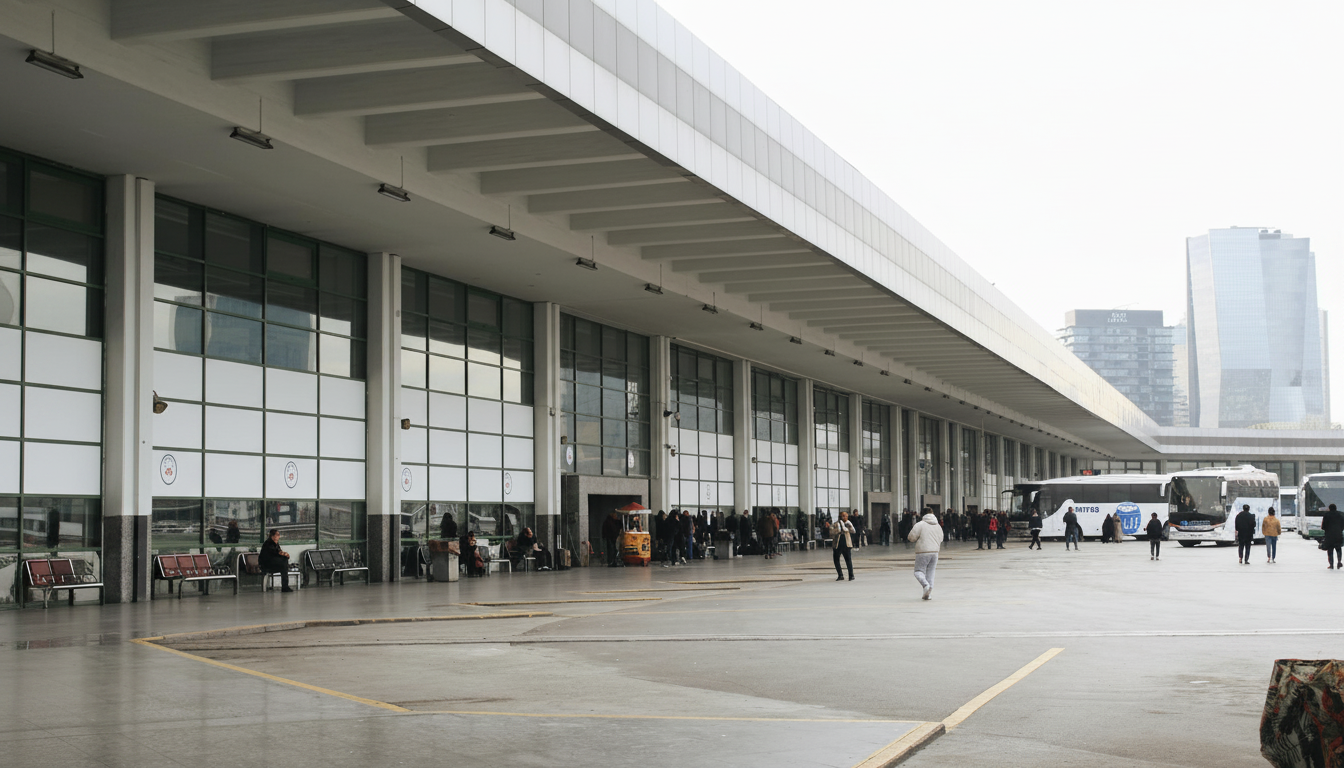
What policy responses, infrastructure upgrades and cross-emirate spillovers will follow Abu Dhabi toll gates?
Key Insight
Watch for official announcements on discounted resident passes and transport subsidies; such measures can reverse initial price impacts and restore tenant demand within months.
- Authorities likely to calibrate pricing and offer concessions
- Transport upgrades (BRT, shuttles) reduce long-term property risk
- Cross-emirate commuting patterns may shift modestly
Key takeaway: The Abu Dhabi toll gates are a targeted traffic-management tool that produces measurable, localized impacts on commuter costs, short-term rental performance and medium-term price dynamics. Expect immediate travel cost increases of roughly AED 120 to AED 200 per frequent commuter and localized price adjustments of -1% to -5% in high-exposure pockets.
Binayah Properties CTA: If you own or plan to buy in Abu Dhabi, contact Binayah for scenario-driven valuation, personalized yield modelling and community-level advice. We combine DMT and market transaction data with on-the-ground leasing intelligence to recommend repositioning, pricing adjustments or acquisition discounts that protect investor returns. Schedule a consultation with our Abu Dhabi team and receive a custom impact report with AED and percentage stress tests tailored to your asset or portfolio.
Binayah Editorial
Property Market Analyst
Our editorial team researches Dubai's real estate market, tracking DLD data, developer launches, and investment trends to keep buyers and investors informed.
Ready to Invest in Dubai?
Speak with our analysts about the best opportunities in today's market — free consultation.