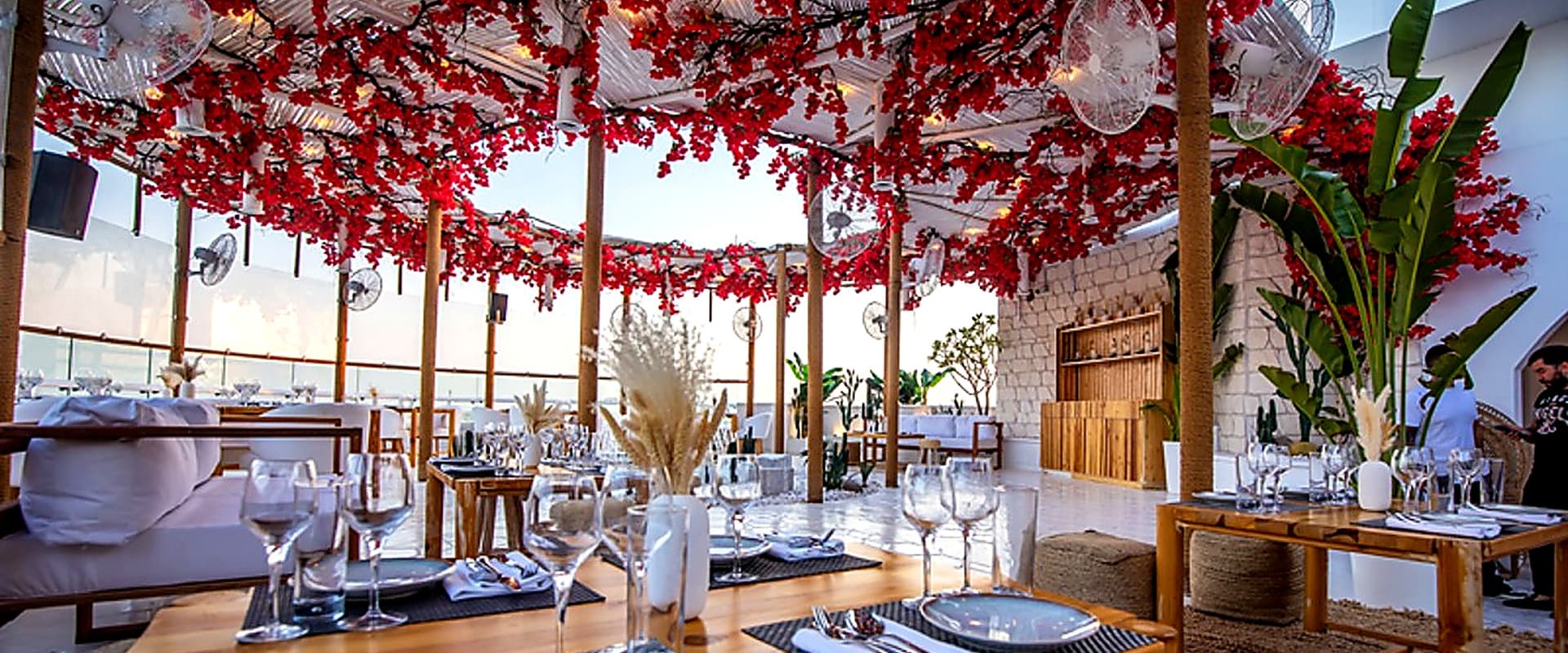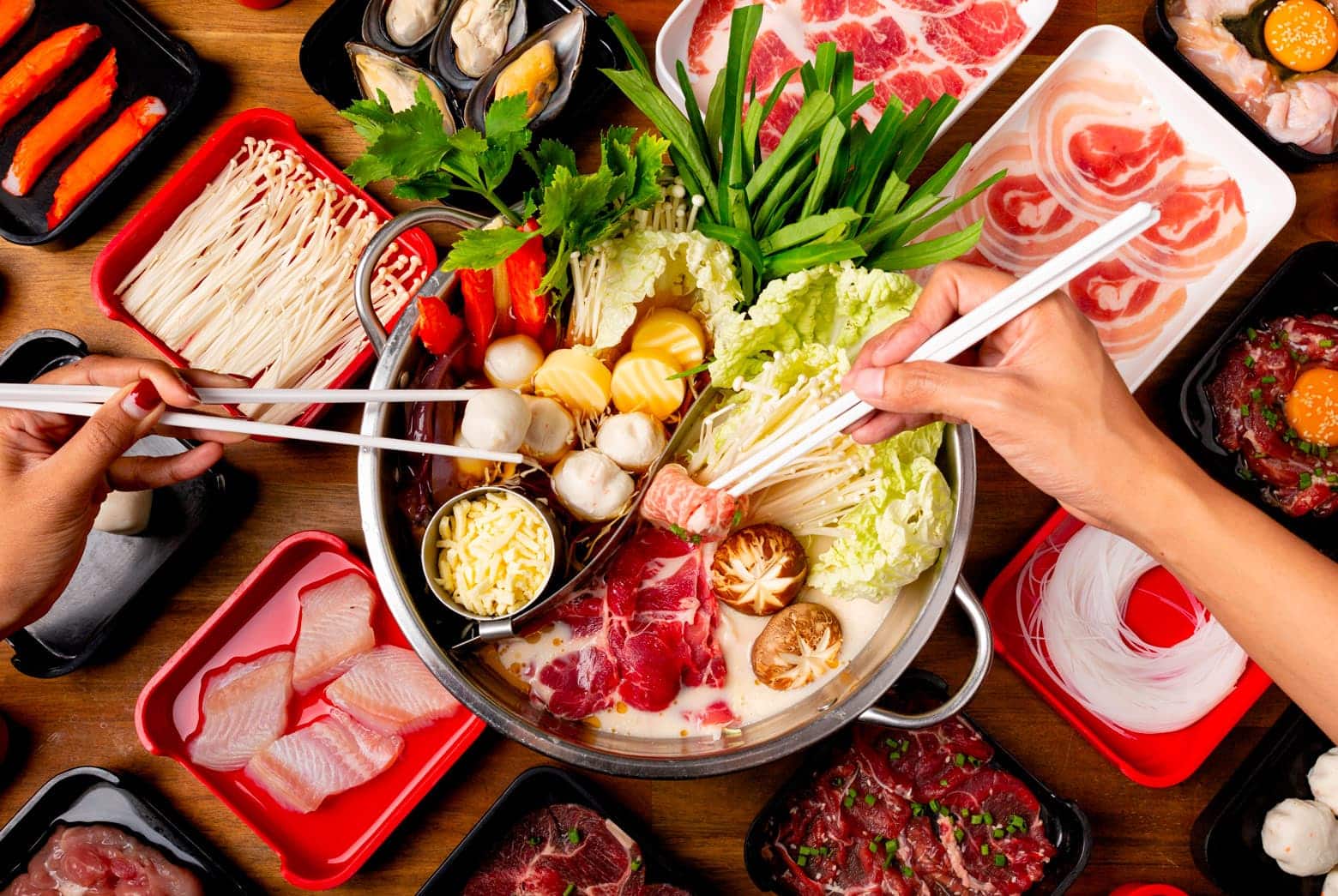
If you love communal cooking and bold broths, hotpot restaurants Dubai serve interactive meals that turn dinner into theatre, whether you join friends at Hai Di Lao in The Dubai Mall or book a private table in Dubai Marina, with spots offering spicy Szechuan broths, herbal Cantonese bases and halal menus.
Dubai has become a regional hotpot hub with options ranging from large chains to intimate specialist outlets; expect to pay AED 80 to AED 220 per person for a full hotpot experience depending on provenance of ingredients and private-room choices. Hotpot is social dining at heart: groups choose broths, pick raw ingredients and cook together at the table, which makes it ideal for birthdays, family gatherings and corporate dinners in neighbourhoods such as Downtown Dubai, Dubai Marina and Business Bay.
This guide breaks down four core hotpot experiences you will actually search for: large-scale theatre and reliability, the Szechuan mala scene, Cantonese and herbal broths, and upscale private dining with signature ingredients. Each section lists average AED price ranges, what to expect from service and ambience, plus practical tips on reservations and halal options so you can plan where to eat and which Dubai neighbourhoods to pair with evening property searches.
Hai Di Lao Dubai review: Is Hai Di Lao the best large-scale hotpot restaurant in Dubai?
Hai Di Lao Dubai review: Is Hai Di Lao the best large-scale hotpot restaurant in Dubai? — Key Data
Avg Meal
AED 140
Branches
4+
Private Rooms
Yes
Wait Time App
15-30 mins
Direct answer: Hai Di Lao in Dubai is the most consistent large-scale hotpot theatre in the city, delivering predictable service, table-side flair and reliable broths, with average meal costs of about AED 120 to AED 180 per person depending on add-ons and private-room bookings.
Elaboration: Hai Di Lao’s strength lies in scale and standardisation; its Dubai branches, including the popular outlet at The Dubai Mall and others in Mall of the Emirates and Jumeirah, recreate the chain’s signature hospitality with free snacks while you wait, entertainment such as nail services in some locations and trained staff who manage communal woks and broth swaps. For groups of four to eight expect an average spend around AED 140 per head for a mid-range selection of meats, vegetables and premium sauces. Weekend transaction counts at peak branches often climb sharply: some central locations report 200+ dinner covers on Friday evenings, which is why the chain’s proprietary waitlist app and digital queue are essential.
Further detail: For diners prioritising theatre and consistent quality, Hai Di Lao’s system reduces variability compared with independent hotpot joints. Reliability has a cost premium: private-room surcharges or signature seafood platters push a dinner to AED 220 per person. Investors and residents who want to live near dependable dining choices often target apartments in Downtown Dubai and Dubai Marina where a mix of mall and waterfront outlets are within a 10 to 20 minute drive; those neighbourhoods also report average rental yields around 5.5% per DLD and strong evening footfall that supports F&B venues. If you want repeatable hospitality without surprises, Hai Di Lao remains the safest large-scale hotpot pick in Dubai.
Hai Di Lao Dubai review: Is Hai Di Lao the best large-scale hotpot restaurant in Dubai?
Where to find Szechuan hotpot in Dubai: Little Red Pot and mala hotspots
Direct answer: Dubai’s mala and Szechuan hotpot scene centres on specialist restaurants such as Little Red Pot and several mala-focused outlets offering authentic numbing spice, with typical per-person budgets of AED 80 to AED 150 depending on broth heat level and premium ingredients.
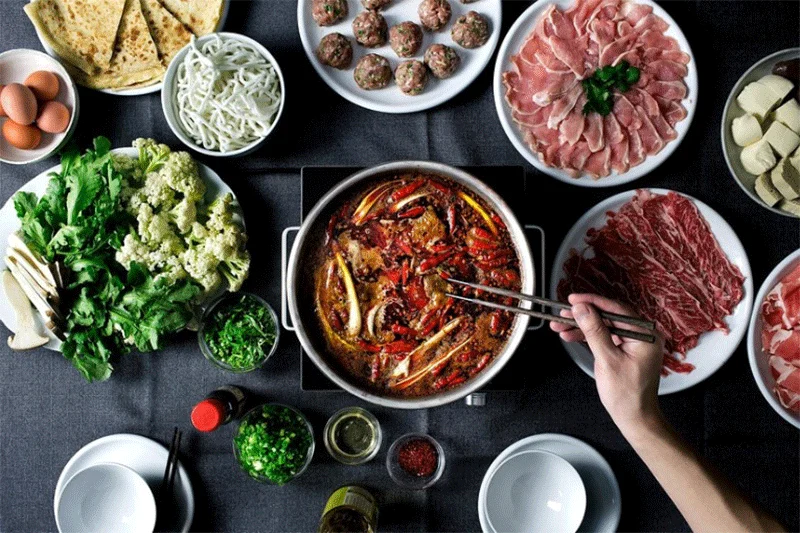
Elaboration: Szechuan hotpot is defined by mala—Szechuan peppercorns that create a desirable numbing sensation paired with chili heat. Little Red Pot is frequently singled out by locals for an authentic mala base and customisable spice scale, while smaller neighbourhood mala masters concentrate on regional Szechuan ingredients and house-made spicy oils. For a standard mala hotpot with two broths and a mixed-ingredient platter you will commonly pay AED 95 to AED 140 per person. The appeal of Szechuan hotpot is social and sensory; groups typically choose two broths, order an assortment of sliced beef, lamb, offal and leaf vegetables, and manage timing so fatty cuts and vegetables emerge perfectly textured. High spice tolerance diners often order twice the numbing oil and tackle signature offal platters that carry a premium of AED 30 to AED 60.
Further detail: Szechuan hotpot restaurants attract repeat diners who prize technique as much as heat: staff advise on cooking times and spice dilution to preserve balance. Nightly transactions for popular mala venues can reach 120 to 180 covers, especially in Al Barsha and City Walk. If you want an authentic Szechuan night, book ahead on weekends and budget for sharing a premium ingredients platter priced between AED 75 and AED 160. These spots pair well with nearby rental apartments and short-term lets in JLT and Business Bay, where renters value proximity to bold international cuisine.
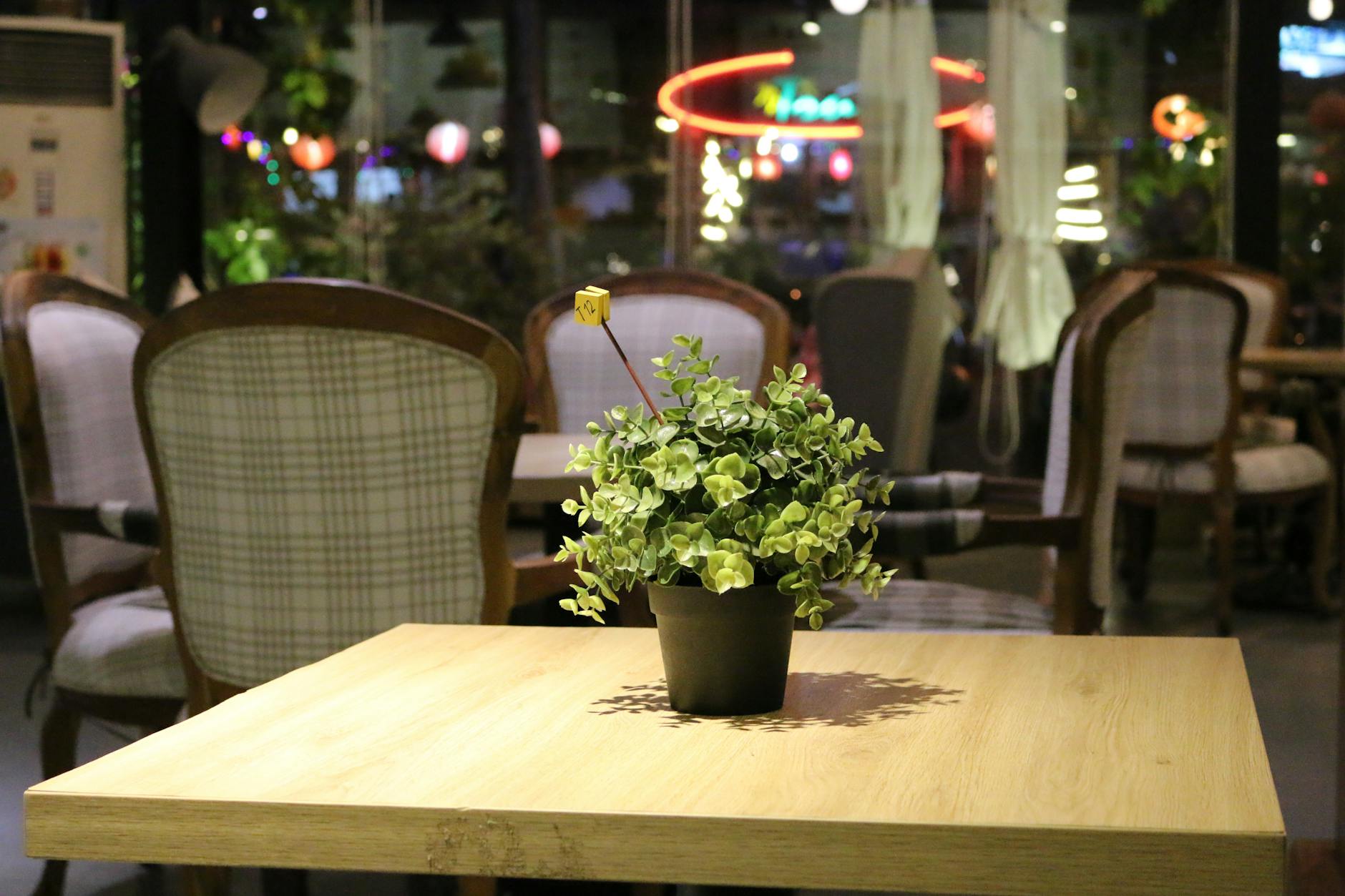
Where to find Szechuan hotpot in Dubai: Little Red Pot and mala hotspots
| Restaurant | Specialty | Avg Price per Person (AED) |
|---|---|---|
| Little Red Pot | Authentic mala broths and custom spice levels | AED 95-140 |
| Mala Masters (specialist outlets) | House-made spicy oils and offal platters | AED 80-150 |
| Szechuan House (neighbourhood spots) | Casual, wallet-friendly mala options | AED 70-110 |
| Premium Szechuan pop-ups | Chef-led, limited-seat experiences | AED 160-220 |
"Authentic mala is a balance between numbness and heat; good restaurants teach you how to modulate both for repeatable results."
— Liu Chen, Dubai Szechuan cuisine consultant
What Cantonese and herbal broths should I try at hotpot restaurants Dubai?
Direct answer: Cantonese and herbal broths at hotpot restaurants Dubai are best known for mild, fragrant profiles that showcase bone stocks and medicinal herbs, with typical menu prices from AED 85 to AED 180 per person depending on ingredient grade.
Elaboration: Cantonese-style hotpot emphasises clear bone broths and delicate aromatics rather than intense spice. Herbal broths use ingredients such as Dong Quai, goji berries and red dates; these bases are often marketed as restorative and pair well with seafood, free-range chicken and thinly sliced beef. Expect to pay AED 85 to AED 120 for a standard Cantonese broth hotpot per person, and around AED 140 to AED 180 if the menu features premium seafood like wild prawns or abalone slices. Restaurants that specialise in Cantonese hotpot invest days into broth development: long-simmered pork or chicken bone stocks deliver umami depth and are usually the default two-broth partner to a lighter herbal option. Hotels and upscale Cantonese houses in Business Bay and Downtown will charge a premium but deliver polished service and ingredient sourcing.
Further detail: People seeking milder profiles look for labels such as "Cantonese clear broth" or "herbal tonic broth" on online menus and booking platforms. These broths also tend to be halal-friendly depending on protein selection, and dining groups often combine a herbal broth with a plain bone stock to balance flavour. A signature Cantonese hotpot dinner with seafood and premium cuts can push total spend to AED 200 per person in upscale venues. If you prioritise gentle flavour over spectacle, Cantonese and herbal hotpots are a superior choice for family dinners and guests unfamiliar with Szechuan heat, and they pair well with quieter private rooms in five-star hotels where service standards and ingredient provenance are tightly controlled.
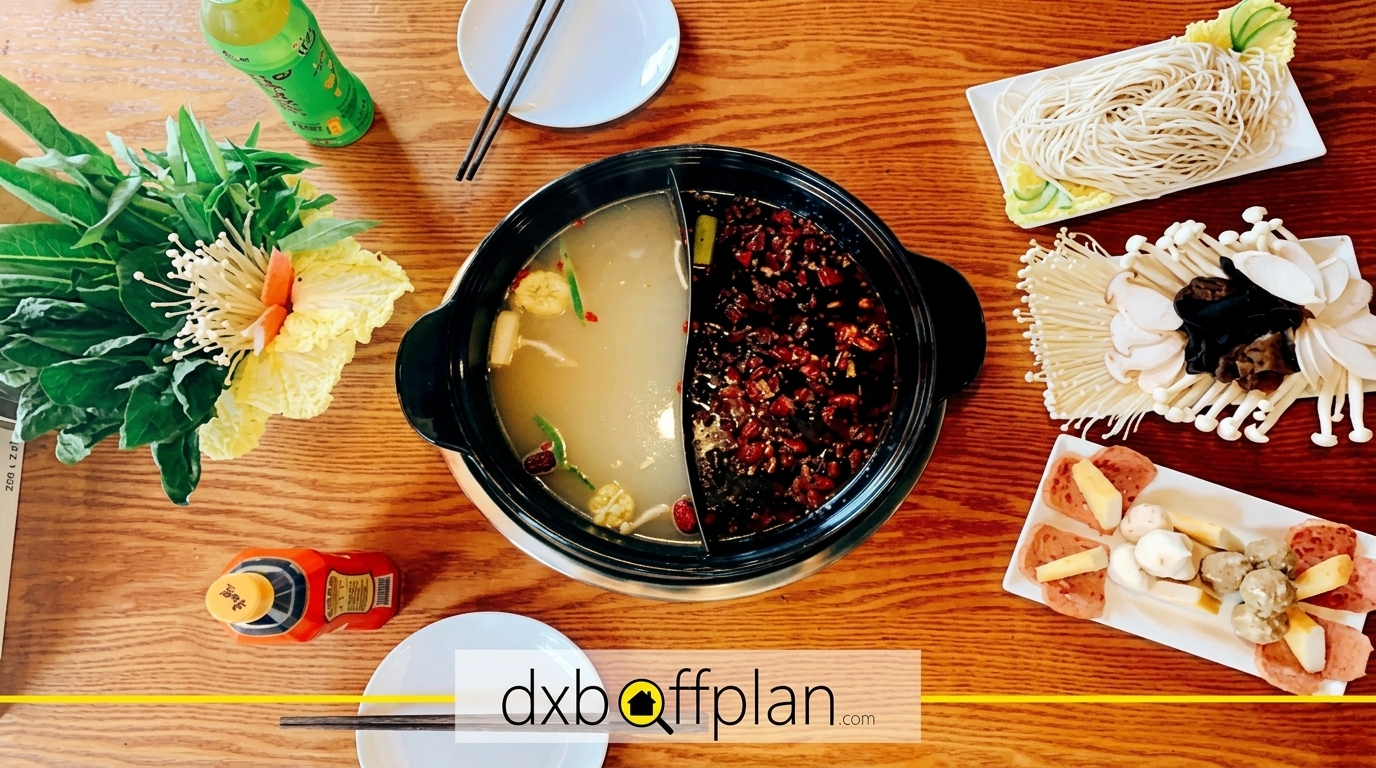
What Cantonese and herbal broths should I try at hotpot restaurants Dubai?
Which upscale hotpot restaurants Dubai offer private dining and signature ingredients?
Direct answer: Upscale hotpot restaurants in Dubai offer private dining suites and signature ingredients such as wagyu, live lobster and abalone, with curated menus typically priced AED 220 to AED 450 per person for top-tier tasting experiences.
Elaboration: Upscale hotpot pivots from communal canteens to curated, chef-driven experiences where ingredient provenance matters. Restaurants in premium locations such as Dubai Marina, DIFC and Downtown pair private dining rooms with bespoke hotpot tasting menus featuring A5 wagyu, Hokkaido scallops and live lobster. Signature ingredient platters incur steep premiums: an A5 wagyu platter can add AED 180 to AED 450 to a shared bill, while live seafood selections commonly start at AED 120 to AED 300 depending on size. These establishments emphasise pairing suggestions, sommelier or tea service and presentation, and many open only for dinner to maintain exclusivity. Private rooms are popular for corporate hospitality and milestone occasions; expect a cover fee or minimum spend of AED 1,200 to AED 3,000 for private suites in five-star hotels.
Further detail: For diners who want a hotel-level hotpot night, venues such as hotel gourmet restaurants and high-end independents will source seasonal ingredients and design multi-course hotpot progressions. Upscale hotpot is not just about price: it is about control over every element from broth clarity to plate presentation. If you are planning an event, book at least two weeks ahead and budget for premium ingredient surcharges and beverage pairings. Choosing a residence near these upscale dining hubs increases convenience: properties in Business Bay and DIFC provide short transfers and attract a tenant profile that supports premium F&B outlets, which can be a useful consideration for investors focused on evening economy demand.
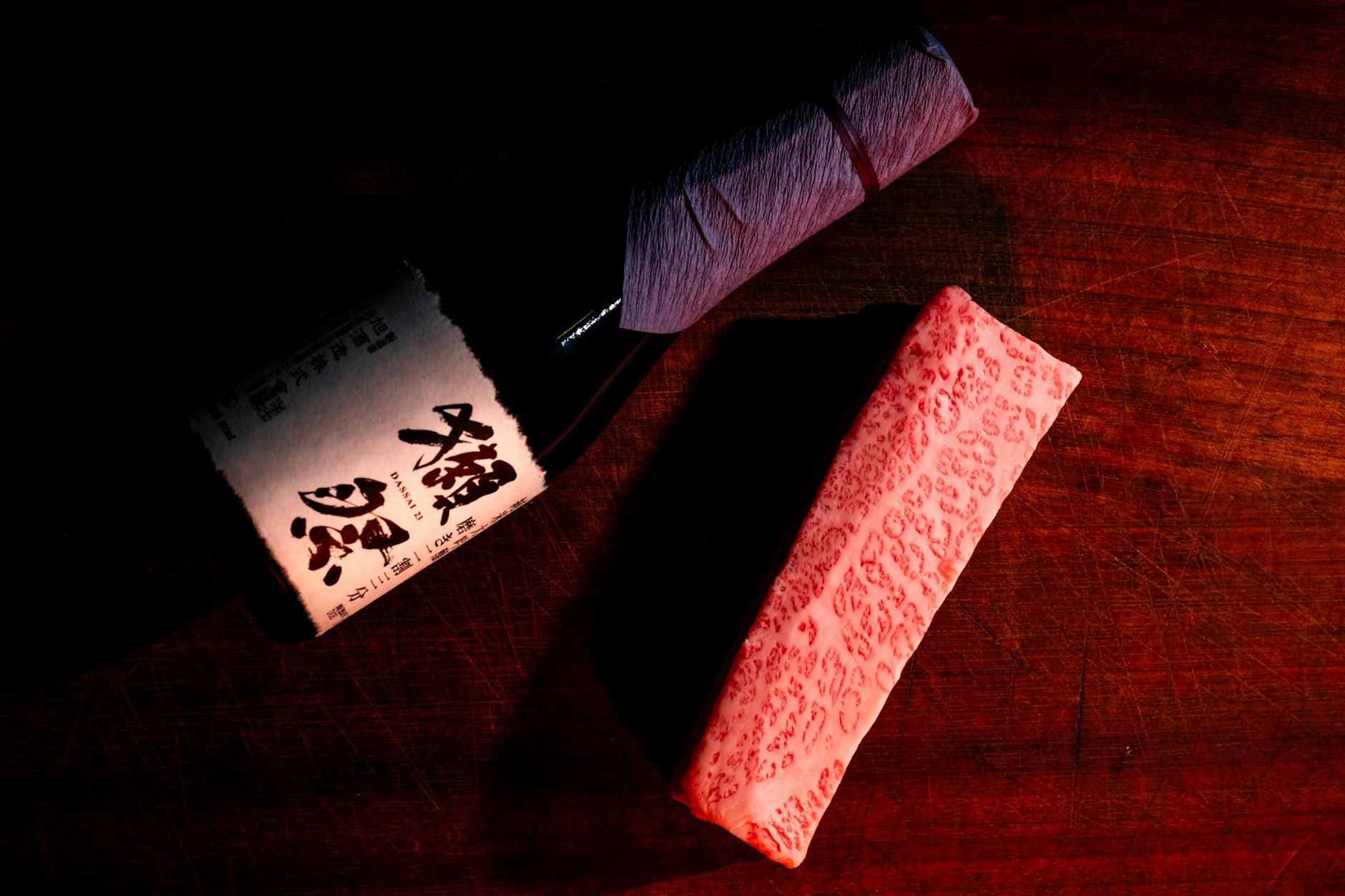
Which upscale hotpot restaurants Dubai offer private dining and signature ingredients?
Key Insight
Reserve private rooms early for weekend events; private-suite minimum spends can reach AED 3,000 and signature ingredient surcharges add AED 120 to AED 450 per person. Plan logistics beforehand to secure the best seafood and wagyu options.
- Private rooms available in five-star hotels
- Signature platters often include wagyu and lobster
- Upscale menus cost AED 220-450 per person
Key takeaway: Dubai’s hotpot restaurants Dubai scene spans reliable theatre from chains like Hai Di Lao, feverish Szechuan mala specialists, fragrant Cantonese herbal broths and luxury private dining with wagyu and lobster, with per-person budgets ranging from about AED 70 to AED 450 depending on format and ingredients.
Binayah Properties CTA: If you want to live steps from Dubai’s best dining, contact Binayah Properties to explore apartments and townhouses in Downtown Dubai, Dubai Marina, Business Bay and JLT. Binayah offers local market intelligence, neighbourhood F&B briefings and property viewings that align with your lifestyle priorities so you can be close to favourite hotpot restaurants and evening dining hotspots. Reach out to Binayah for tailored listings, rental yield estimates and advice on properties near the city’s top culinary corridors.
Binayah Editorial
Property Market Analyst
Our editorial team researches Dubai's real estate market, tracking DLD data, developer launches, and investment trends to keep buyers and investors informed.
Ready to Invest in Dubai?
Speak with our analysts about the best opportunities in today's market — free consultation.