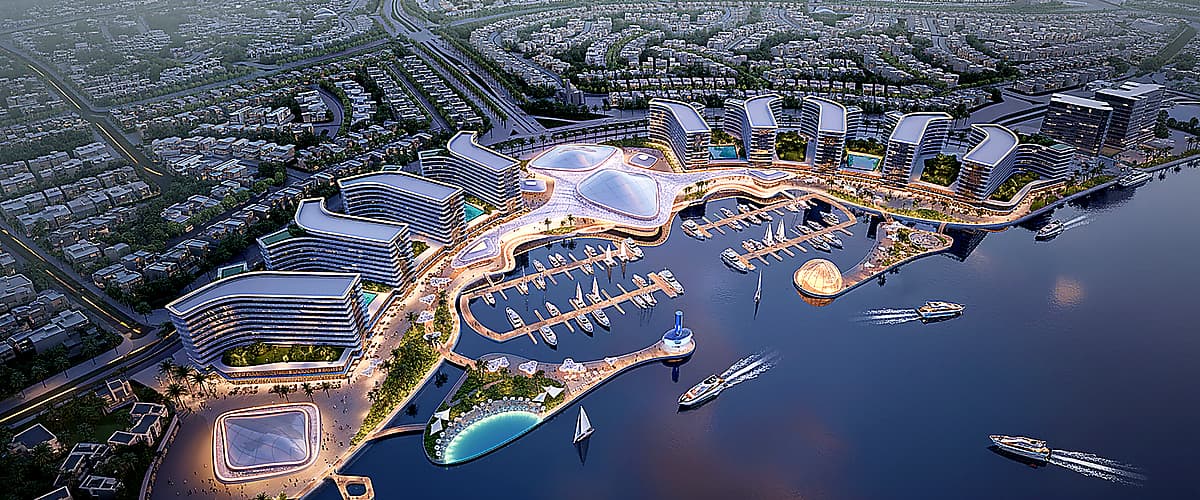
Abu Dhabi infrastructure projects: 20 ADIS highlights
Abu Dhabi infrastructure projects are driving city-scale transformation with AED32 billion in PPPs and 40,000 homes planned by 2029.
The Abu Dhabi Infrastructure Summit framed a delivery-first agenda at ADNEC, where ADPIC confirmed it is overseeing more than 500 capital projects across a program valued at about $200 billion and advanced approximately AED32 billion in public private partnership opportunities last year. The summit gathered 6,000 attendees and produced multiple memoranda of understanding to accelerate construction innovation, workforce development and governance frameworks.
Speakers from developers such as Aldar, Sobha Realty, Bloom Holding, Reportage Group, LEAD Development and Trojan Construction highlighted offsite manufacturing, AI planning, digital twins and factory scale delivery as routes to speed and cost control. ADPIC also confirmed more than 40,000 homes are due by 2029, and partnerships under the Bunaa Programme and Knowledge Group will focus on practical delivery and national talent development.
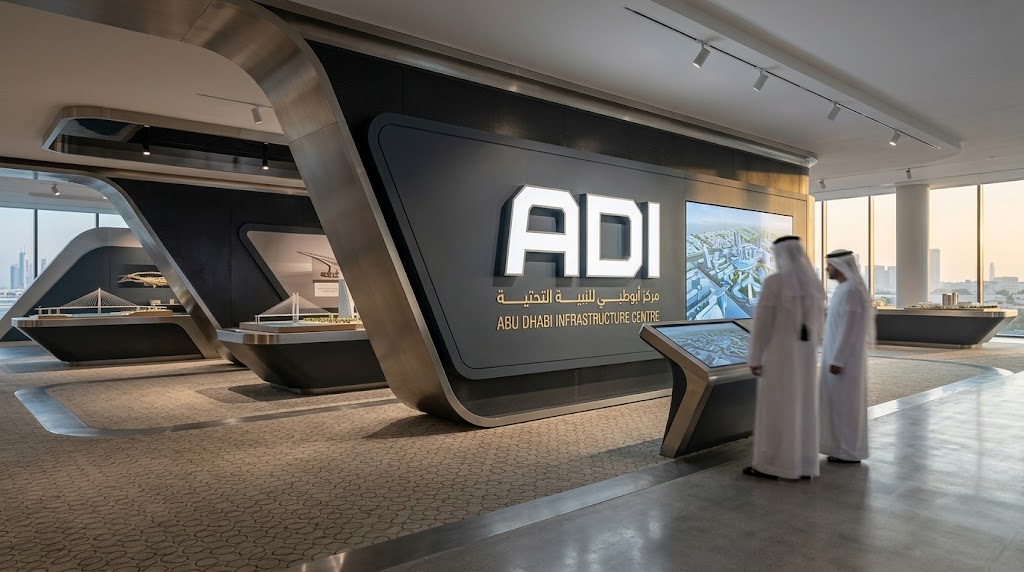
What is the Abu Dhabi Projects and Infrastructure Centre and what does it deliver?
What is the Abu Dhabi Projects and Infrastructure Centre and what does it deliver? — Key Data
Projects
500+
Programme value
$200 billion
PPP advanced
AED32 billion
Homes by 2029
40,000+
ADPIC is the emirate authority coordinating project delivery and it oversees more than 500 capital projects valued inside a broader $200 billion program while advancing key public private partnerships totaling AED32 billion.
ADPIC acts as the delivery engine for Abu Dhabi, translating strategy into executable capital projects across transport, housing and utilities. Last year ADPIC advanced approximately AED32 billion in PPP opportunities and signed multiple MoUs at ADIS to strengthen delivery partnerships. Its pipeline spans central and suburban interventions that support plans for 40,000 new homes by 2029 and enhanced liveability measures linked to municipal and transport strategies.
Operationally ADPIC bundles governance, design approvals and delivery oversight to shorten throughput time for major projects. It is implementing the Bunaa Programme to bring construction companies, consultants and manufacturers together; recent Bunaa signings included Trojan Construction Holding and Gulf Contractors Co. LLC to increase capacity. ADPIC metrics show it manages a delivery portfolio with 500 plus projects and aligns capital spend with social outcomes such as walkability and protected nature areas.
What is the Abu Dhabi Projects and Infrastructure Centre and what does it deliver?
What happens at the Abu Dhabi Infrastructure Summit and why does it matter?
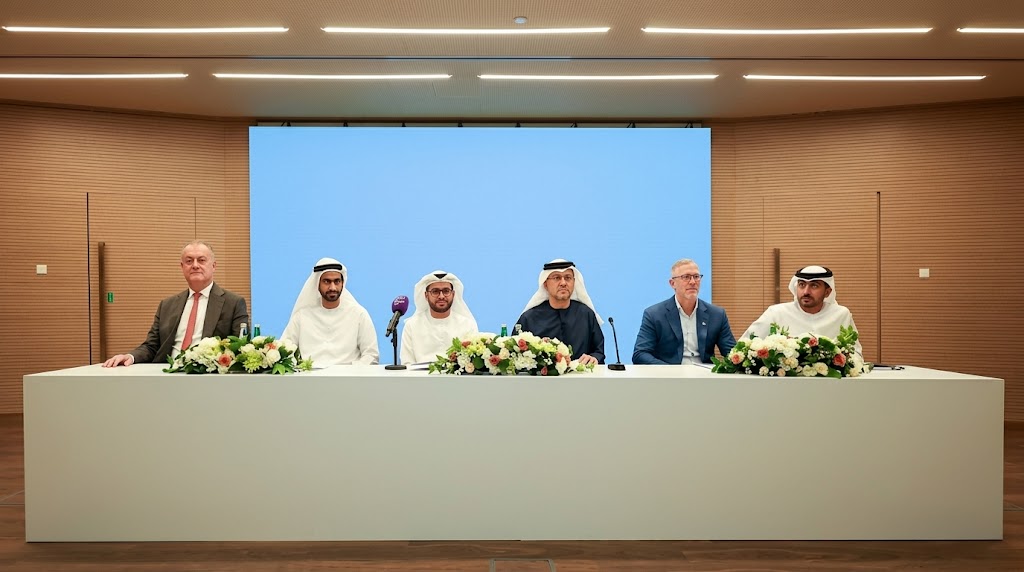
The Abu Dhabi Infrastructure Summit is where government, developers and investors agree delivery frameworks, and in 2025 it hosted more than 6,000 attendees and produced 10 MoUs that support a pipeline with AED32 billion in PPP opportunities.
ADIS is a convening platform that moves policy into procurement and partnerships. The second edition at ADNEC combined panel discussions on modular construction, AI for planning and workforce development with formal agreements that underpin the Bunaa Programme and training partnerships with Knowledge Group. The event showcased how private developers such as Aldar, Bloom Holding and Sobha are aligning with ADPIC to meet delivery targets including 40,000 homes by 2029.
For investors and property professionals ADIS matters because it reduces execution risk by clarifying governance, capacity and technology adoption across the pipeline. Announcements at the summit included Sobha Realty's AED3 billion commitment to offsite factories, ADPIC's AED32 billion PPP pipeline advance and new cross sector agreements intended to accelerate delivery at scale.
What happens at the Abu Dhabi Infrastructure Summit and why does it matter?
| Aspect | Outcome | Value |
|---|---|---|
| Attendees | Total participants | 6,000+ |
| MoUs signed | Governance, delivery, partnerships | 10 |
| PPP advanced | Public private partnership opportunities | AED32 billion |
| Developer commitment | Sobha investment in innovation | AED3 billion |
"ADIS is designed to turn strategic capital programs into deliverable projects through partnerships and technology."
— Maysarah Mahmoud Eid, Director General ADPIC
What is the International Convention Centre ADNEC and why is it used for ADIS?
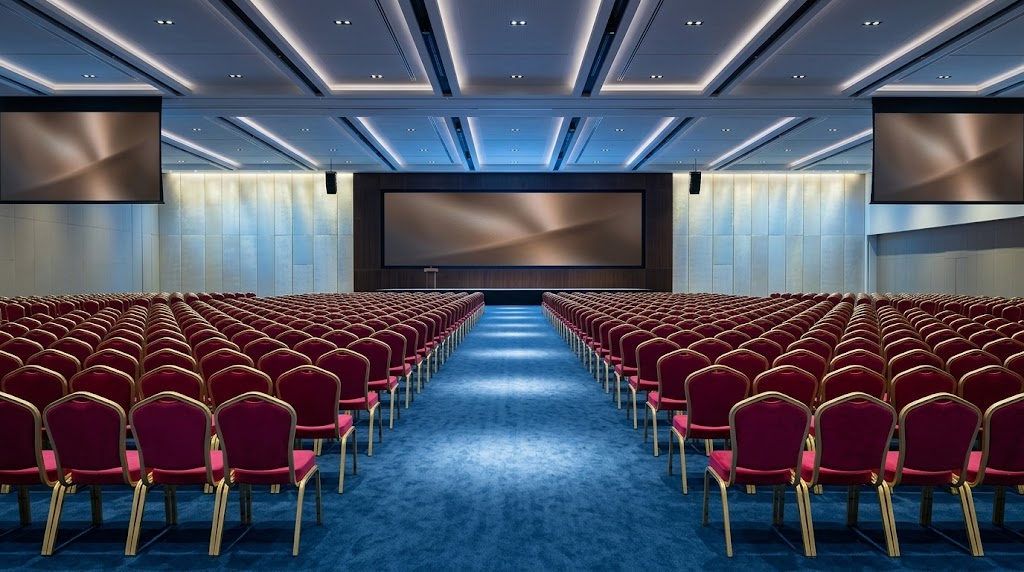
The International Convention Centre at ADNEC is Abu Dhabi's primary event hub and it hosted ADIS where over 6,000 delegates attended and multiple delivery MoUs were signed to support AED32 billion in PPP opportunities.
ADNEC's ICC provides the scale and neutral platform required for multi stakeholder forums that combine ministerial delegations, developers, financiers and consultants. The venue's logistics, proximity to hotels and secure facilities make it ideal for agreements that link procurement to delivery. ADPIC used the ICC to stage plenaries and panels focused on building at pace, construction innovation and national talent development, enabling the signing of 10 memoranda of understanding.
For real estate professionals the ICC's role is practical: it aggregates decision makers in one location, accelerating relationship building and procurement outcomes. The ICC's hosting of ADIS put transactional momentum behind commitments such as Sobha's AED3 billion factory investment and ADPIC's stated target of delivering 40,000 homes by 2029.
What is the International Convention Centre ADNEC and why is it used for ADIS?
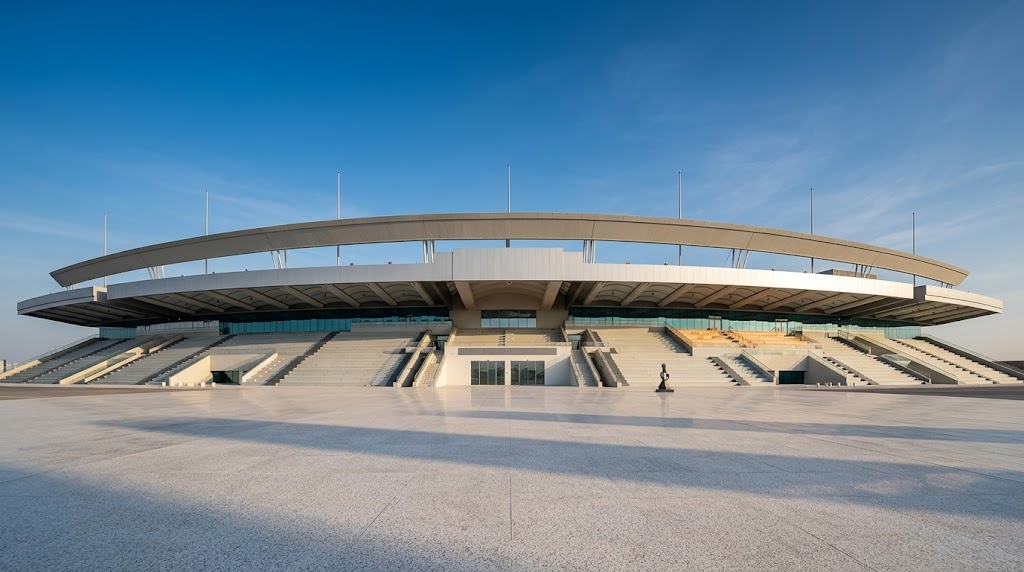
What is ADNEC and what role does it play in national infrastructure discourse?
ADNEC operates the event and exhibition ecosystem that hosts national discourse on infrastructure and at ADIS it enabled cross sector deals that support projects valued within a program of about $200 billion.
As a complex ADNEC provides year round venues for industry summits that influence procurement, policy and public private cooperation. Hosting ADIS allowed ADPIC and partners to present delivery models, including modular manufacturing and AI planning, to a broad audience. The facility's capacity to host large delegations contributed to ADIS attracting 6,000 plus attendees and formalising partnership frameworks that underpin the Bunaa Programme and workforce initiatives with Knowledge Group.
ADNEC's influence extends beyond event logistics because its calendar sets the pace for project conversations that translate to construction timelines and investment flows. Developers and consultants used ADNEC to announce investments including Sobha Realty's AED3 billion commitment and to highlight that ADPIC is advancing AED32 billion in PPP opportunities supporting 40,000 homes.
What is ADNEC and what role does it play in national infrastructure discourse?
How is ADPIC shifting from project planning to people focused delivery?
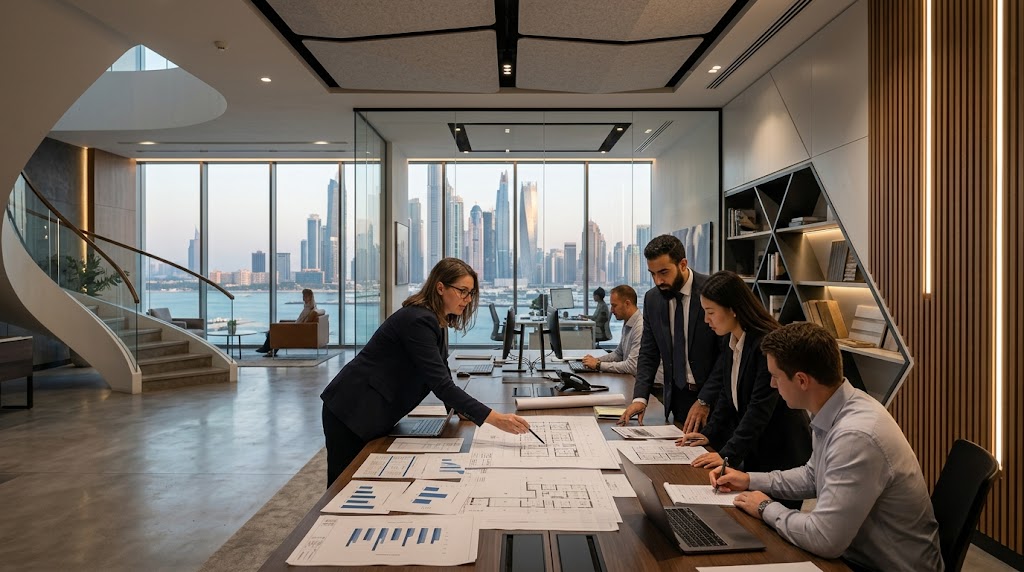
ADPIC is shifting its mandate to people focused delivery by aligning infrastructure decisions to liveability outcomes and committing to housing targets such as 40,000 homes by 2029 while advancing AED32 billion in PPPs.
The agency emphasises human centric planning where infrastructure is judged by how it improves daily life, mobility and access to services. At ADIS ADPIC leaders described strategies that anticipate demographic shifts and rising expectations, embedding walkability, safety and community spaces into project briefs. This approach directs capital toward projects that deliver both utility and social value and ensures the pipeline supports long term liveability rather than only asset creation.
Operational changes include closer collaboration with municipal and transport authorities, use of data from digital twins to model outcomes and formal partnerships to accelerate delivery. ADPIC's people focused approach is reflected in its PPP pipeline of approximately AED32 billion and in commitments to deliver over 40,000 homes by 2029 as part of the broader $200 billion program.
How is ADPIC shifting from project planning to people focused delivery?
Key Insight
Align investment decisions to liveability metrics. Prioritise projects that increase access to transport and community services to reduce execution risk and improve long term value.
- Human centric project briefs
- 40,000 homes by 2029
- AED32 billion PPP pipeline
What is Bloom Holding doing with integrated living at scale?
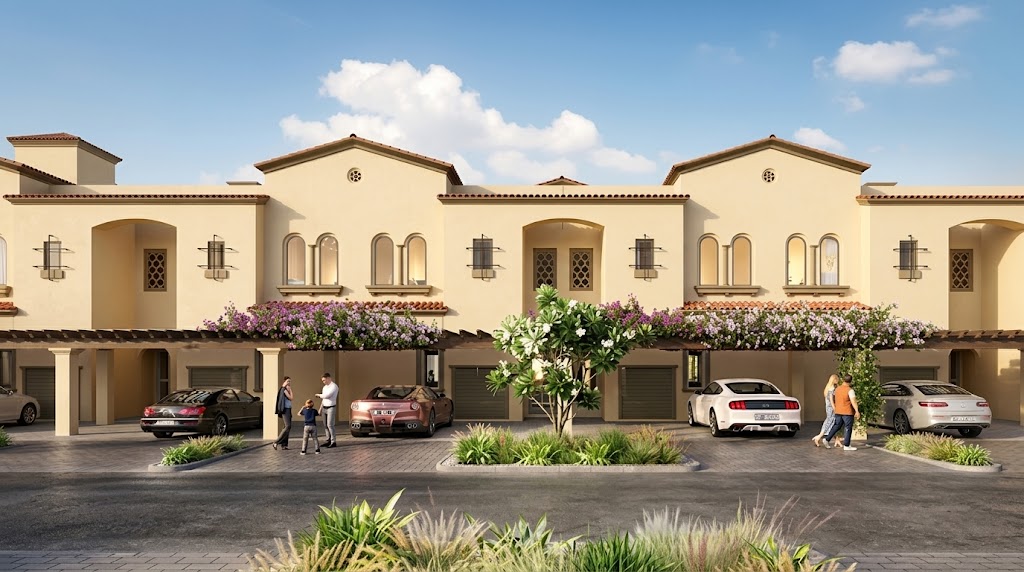
Bloom Holding is delivering integrated communities at scale with Bloom Living and a model that already includes 4,200 homes, emphasising walkability and communal amenities to create long term liveability.
Bloom Living's portfolio serves as a template for mixed use, community oriented design that separates technical infrastructure from social infrastructure to prioritise public realm, safety and local gathering spaces. The company presented Bloom Living as a scalable solution at ADIS, demonstrating how bundling homes with managed amenities and transport linkage improves occupancy and resident satisfaction. Bloom's 4,200 homes show how replicable design combined with operating models can meet demand quickly without sacrificing quality.
For investors, Bloom's model reduces leasing friction and supports stable returns due to high resident retention. Bloom's emphasis on integrated living aligns with ADPIC's people focused delivery and contributes to the broader pipeline of homes targeted by the emirate ahead of 2029.
What is Bloom Holding doing with integrated living at scale?
- Bloom Living: 4,200 homes
- Focus: walkability and community
- Model: scalable integrated living
How is Aldar Projects using AI led planning and delivery?
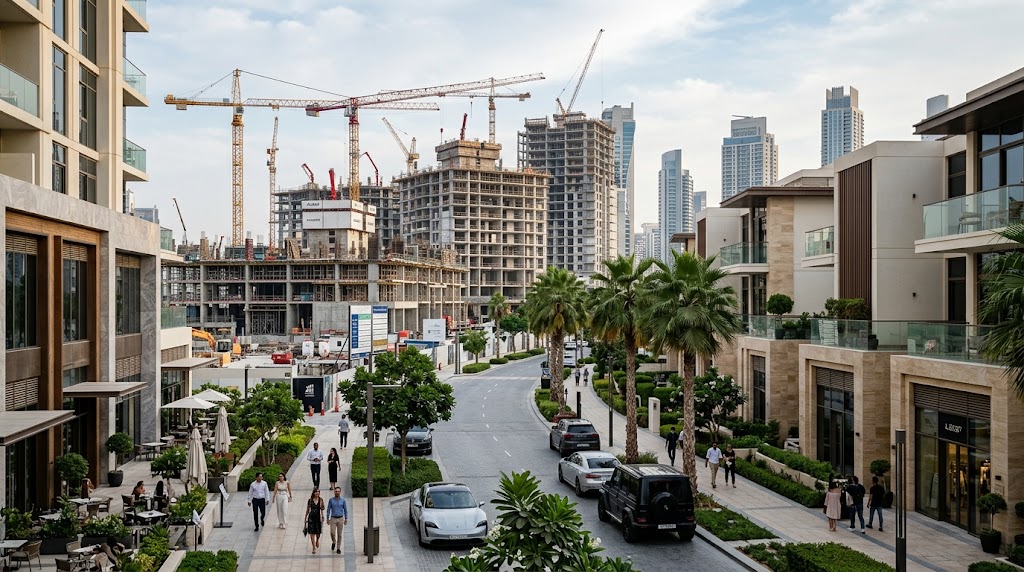
Aldar Projects is leveraging AI agents to analyse supply chains and design options using 50 million data points from past projects to increase speed and reduce cost uncertainties.
At ADIS Aldar explained how AI driven agents can scrutinise procurement, optimise design iterations and reduce rework by identifying supply chain constraints early. Drawing on a repository of some 50 million data points, Aldar uses machine learning to predict delivery bottlenecks and to propose alternative designs that are faster to deliver. This reduces time on site and helps align contractors, manufacturers and clients to a common delivery plan, improving predictability across projects valued within Abu Dhabi's wider $200 billion program.
For property investors AI enabled planning improves margin visibility and shortens time to completion, which can accelerate rental income. Aldar's approach supports the emirate's objective to deliver tens of thousands of homes by 2029 and to make infrastructure decisions that prioritize liveability metrics.
How is Aldar Projects using AI led planning and delivery?
- Data set: 50 million data points
- Outcome: faster design decisions
- Benefit: reduced procurement risk
What modular platforms is LEAD Development proposing and how does nature factor in?
LEAD Development is proposing a central modular design platform of pre approved templates to allow parallel manufacturing while protecting natural assets such as Jubail Island where 25 million of 40 million square meters are conserved mangrove.
At ADIS LEAD advocated for pre approved modular templates that let manufacturers start factory production without waiting for sequential approvals, compressing delivery timelines. The company also highlighted its work on Jubail Island, a 40 million square meter project where roughly 25 million square meters are protected mangrove and conservation zones, illustrating how development can be balanced with nature. LEAD's approach connects scalable housing delivery to environmental stewardship and place making, supporting ADPIC's people centered objectives.
For investors this reduces schedule risk and protects long term amenity value by embedding conservation into masterplans. LEAD's industrialised approach aims to help meet the emirate's target of delivering 40,000 homes by 2029 while preserving critical ecological assets.
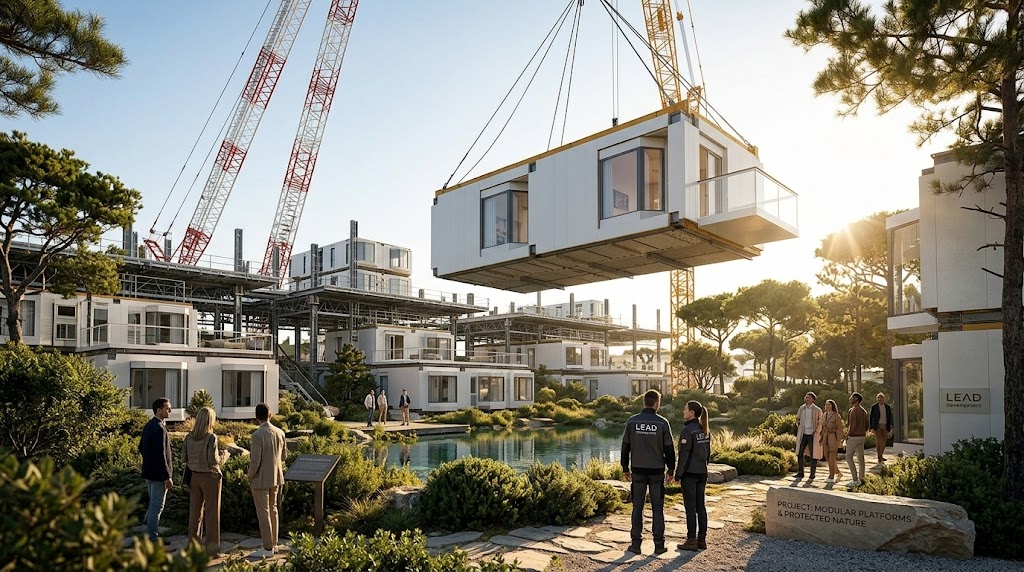
What modular platforms is LEAD Development proposing and how does nature factor in?
- Jubail Island: 40 million sq m
- Protected mangrove: 25 million sq m
- Modular: pre approved templates
How is Sobha Realty investing in offsite factories and construction innovation?
Sobha Realty has committed AED3 billion to construction innovation and offsite factories over the next three years to accelerate delivery and reduce on site labour dependencies.
At ADIS Sobha announced a targeted AED3 billion investment into offsite manufacturing and factory scale construction methods that can compress timelines and enhance quality control. Offsite factories enable parallel production of components and reduce weather and labour related delays on site. The investment aligns with broader calls at the summit for digitalisation, automation and government incubation of construction technologies to close the cost speed gap in housing delivery.
For developers and investors the Sobha commitment signals a shift towards industrialised construction that can increase predictability for handover dates and help deliver more units within the ADPIC pipeline, which includes the AED32 billion PPP portfolio and the 40,000 homes target by 2029.
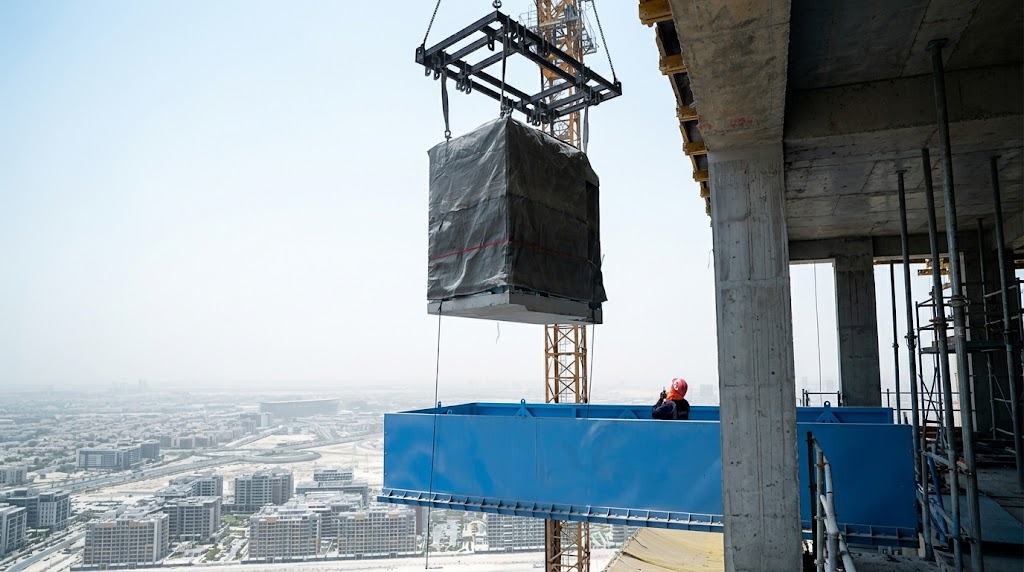
How is Sobha Realty investing in offsite factories and construction innovation?
- Sobha investment: AED3 billion
- Focus: offsite factories
- Horizon: next three years
Why is Jubail Island a model for conservation led community making?
Jubail Island demonstrates conservation led community making by protecting 25 million of its 40 million square meters as mangrove and natural habitat while planning residential and amenity clusters.
Jubail Island is designed to balance ecological protection with high quality placemaking. LEAD Development cited Jubail as an example where 25 million square meters of mangrove are conserved inside a 40 million square meter landmass, ensuring that development is concentrated in specific clusters that maintain long term environmental value. This approach enhances liveability and provides premium amenity for residents seeking waterfront and nature adjacent living, supporting their quality of life and property values.
For investors Jubail's conservation credentials can support pricing resilience and attract buyers looking for unique natural amenities. The model aligns with ADPIC's push to design infrastructure around people and protected nature while helping the emirate reach housing targets tied to its AED32 billion PPP pipeline.

Why is Jubail Island a model for conservation led community making?
- Total land: 40 million sq m
- Protected mangrove: 25 million sq m
- Model: conservation led placemaking
How is Trojan Construction Group pursuing digitalisation and factory scale delivery?
Trojan Construction Group promotes digitalisation and factory scale delivery as the means to close the cost and speed gap, and it joined Bunaa partnerships to scale its capacity for projects within the AED32 billion PPP pipeline.
Trojan argued at ADIS that automation, robotics and integrated manufacturing are the way to deliver housing quickly and affordably. The firm called for government incubation of new construction technologies to move prototypes into mainstream use. As part of Bunaa partnerships Trojan signed agreements to strengthen delivery capacity behind ADPIC's capital project pipeline. These moves support government targets to accelerate completion rates for major projects and to meet the 40,000 homes objective by 2029.
For investors and buyers, Trojan's focus on digital tools and factory scale production promises more predictable schedules and potential cost savings. The partnership approach reduces single party risk and provides a clearer route to pipeline delivery within Abu Dhabi's broader $200 billion program.
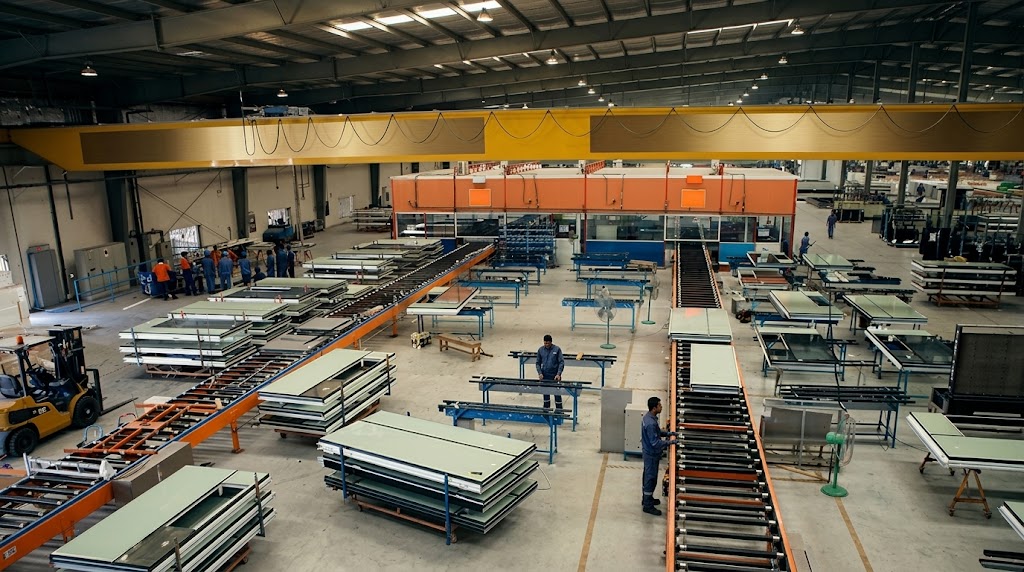
How is Trojan Construction Group pursuing digitalisation and factory scale delivery?
- Focus: digitalisation and automation
- Partnerships: Bunaa Programme
- Pipeline alignment: AED32 billion PPP
What is Sdeira Group's debt free in house model for affordable delivery?
Sdeira Group described a debt free, fully in house model as a method to deliver affordable housing at scale while retaining control over cost and programme timelines for projects aligned with Abu Dhabi's delivery targets.
Sdeira's model reduces exposure to external financing cost fluctuations by keeping development, construction and delivery within a single balance sheet. This approach can shorten procurement cycles and help maintain consistent quality standards while enabling price points targeted at affordability. During ADIS the firm positioned its model as complementary to modular manufacturing and government supported programmes that aim to produce tens of thousands of homes under the ADPIC pipeline.
For investors the Sdeira approach reduces refinancing risk and supports predictable cashflow for completed assets, factors that can enhance the attractiveness of mass market developments. Their model contributes to the overall goal of supplying 40,000 homes by 2029 in partnership with public sector facilitation and Bunaa Programme capacity building.
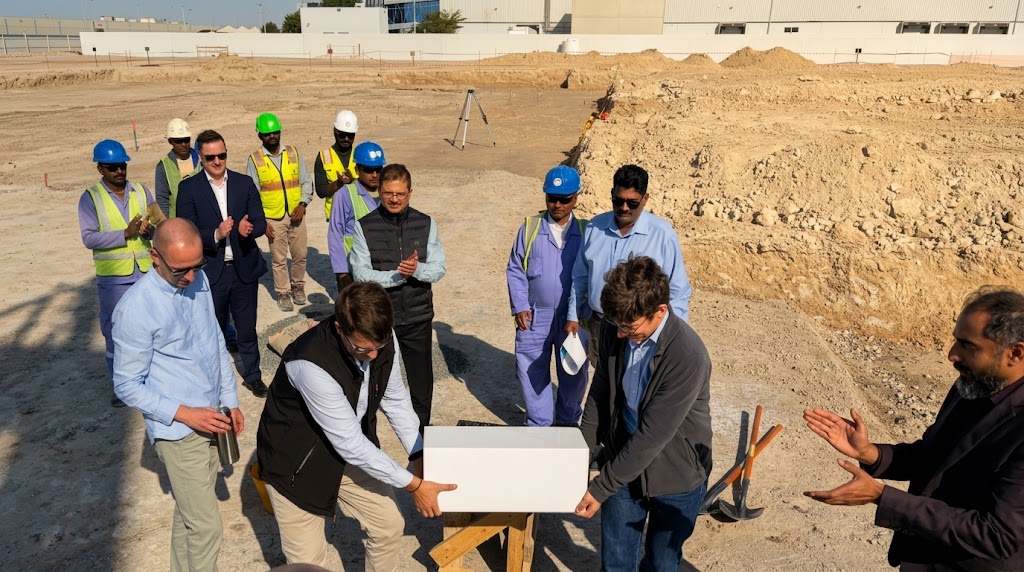
What is Sdeira Group's debt free in house model for affordable delivery?
- Model: debt free, in house delivery
- Benefit: control over timelines and costs
- Alignment: supports 40,000 homes target
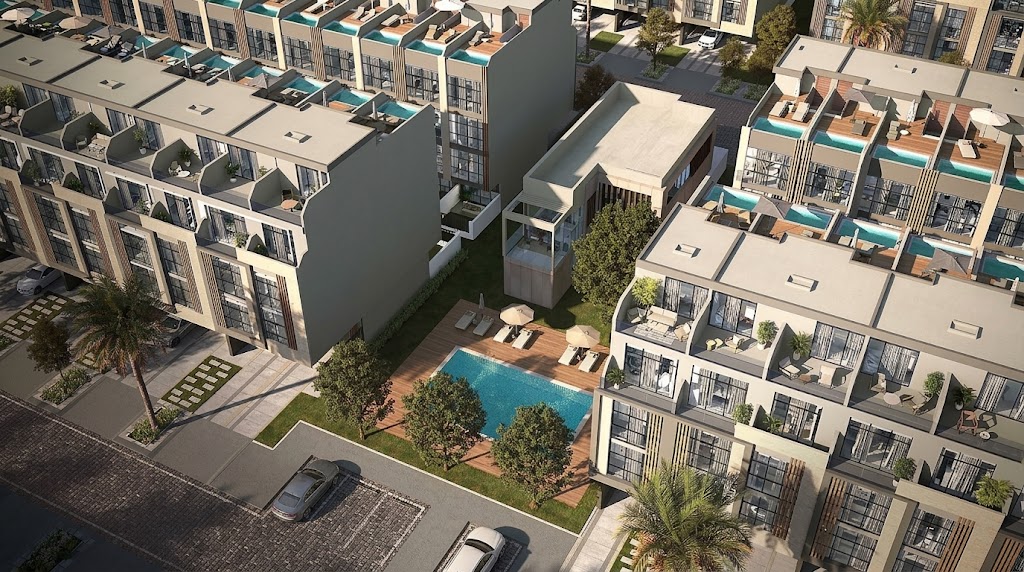
How does Reportage Group deliver in house for mass market homes?
Reportage Group uses a fully in house delivery model to remove debt exposure and control the entire value chain, enabling faster, lower cost delivery of mass market homes aligned with Abu Dhabi's housing goals.
At ADIS Reportage outlined its verticalised structure that combines land acquisition, design, construction and sales inside one group to accelerate production and protect margins. This model enables the firm to scale housing delivery without relying on external financing markets, which can reduce schedule delays and cost volatility. Reportage positions this approach as a practical route to meeting demand at scale and contributing to the emirate's target of delivering 40,000 homes by 2029.
For purchasers the in house model often results in clearer timelines and consistent product specification, which supports confidence at the point of sale. The company’s approach complements other ADIS themes such as modular production and the AED3 billion factory investments announced by developers like Sobha Realty.
How does Reportage Group deliver in house for mass market homes?
- Approach: fully in house delivery
- Benefit: reduced market financing risk
- Goal: mass market housing scale
What role does Khatib and Alami play in consultancy and data driven design?
Khatib and Alami provides consultancy and data driven design services, using advanced modelling and project analytics to improve precision across Abu Dhabi projects and to support decision making for high value infrastructure in the $200 billion program.
At ADIS Khatib and Alami emphasised the value of data led design in reducing risk and improving the fit between urban systems and resident needs. Their specialists support digital twin deployments, environmental assessment and delivery planning that can reduce rework and accelerate approvals. Consultancy inputs from firms like Khatib and Alami improve the robustness of project bids and help partners meet ADPIC's delivery standards for projects that underpin liveability outcomes and housing targets.
For investors and developers independent consultancy helps benchmark performance and validate lifecycle costs, contributing to lower long term operating expenses. The consultancy role underpins commitments such as Sobha's AED3 billion factory investment and ADPIC's AED32 billion PPP pipeline by ensuring projects are technically and economically viable.

What role does Khatib and Alami play in consultancy and data driven design?
- Service: data driven consultancy
- Role: digital twins and modelling
- Benefit: improved delivery precision
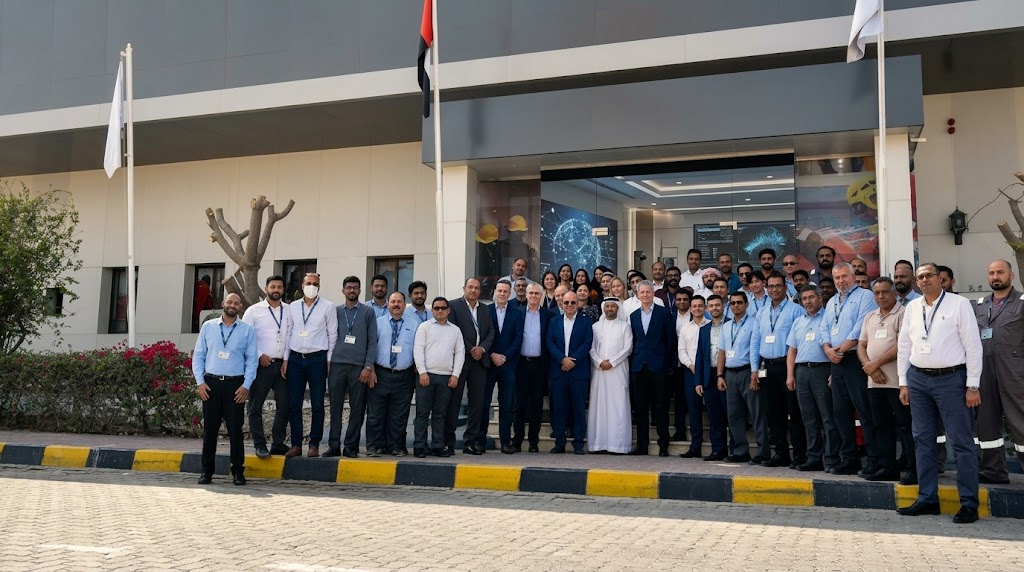
How will Knowledge Group train national talent for delivery?
Knowledge Group will partner with ADPIC to develop training, advisory services and events that build national talent and workforce readiness to support the AED32 billion PPP pipeline and large scale delivery programs.
The Knowledge Group agreement announced at ADIS focuses on training and capacity building across project and infrastructure related sectors. It will provide certification, advisory services and events aimed at equipping UAE nationals with the skills required for modular manufacturing, project management and digital construction techniques. This supply of skilled labour is critical to maintaining delivery tempo and to achieving housing targets including the 40,000 homes planned by 2029.
For developers this partnership reduces recruitment and skills gaps, improving the probability of on time completion. For national policy the program supports Emiratisation goals by ensuring professionals are trained in the practical competencies required for a rapidly industrialising construction sector.
How will Knowledge Group train national talent for delivery?
- Focus: training and advisory services
- Target: workforce readiness for projects
- Alignment: supports AED32 billion PPP pipeline
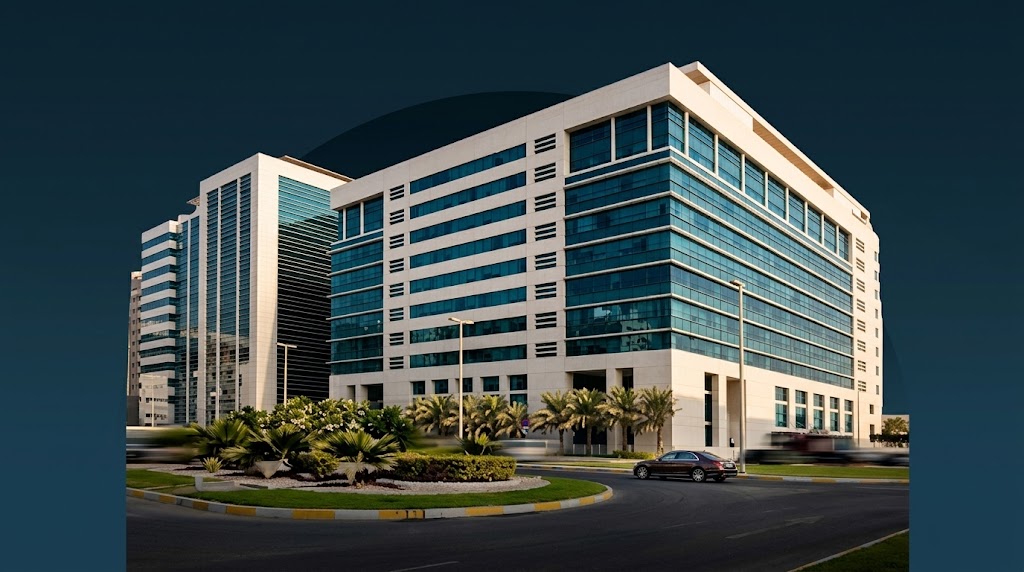
What is the Department of Municipalities and Transport's role in urban policy and delivery?
The Department of Municipalities and Transport sets urban policy and delivery frameworks that ensure infrastructure planning remains human centric and supports long term performance across the emirate's projects valued within a wider $200 billion program.
Chair Mohamed Ali Al Shorafa explained at ADIS that the DMT focuses on how people live, move and access services, and that policy must anticipate future growth and rising expectations. The DMT coordinates municipal planning, transport integration and liveability metrics to ensure projects deliver social benefit. This approach underpins the delivery pipeline and complements ADPIC's operational mandate to advance PPPs totalling approximately AED32 billion and to achieve housing goals such as 40,000 homes by 2029.
For investors DMT engagement reduces planning risk by clarifying transport and municipal commitments that affect property values. Transport integrations such as EV ready roads and digital twin planning contribute to the appeal of new communities and help stabilise long term demand.
What is the Department of Municipalities and Transport's role in urban policy and delivery?
"Our infrastructure is designed not just to respond but to stay ahead so communities can thrive."
— Mohamed Ali Al Shorafa, Chairman DMT
- Focus: human centric infrastructure
- Policy alignment: transport and municipal plans
- Outcome: liveability and long term performance
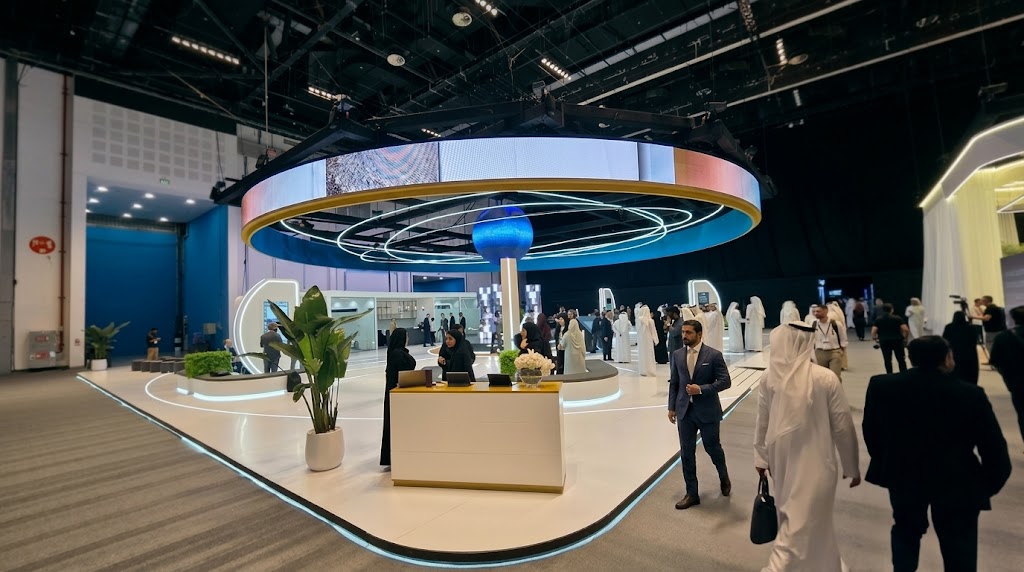
What is the Livability and Investment Exhibition and when will LIVEX take place?
The Livability and Investment Exhibition, branded LIVEX, is a new platform to showcase liveability and urban development and it will take place from September 29 to October 1, 2026 in Abu Dhabi.
ADPIC announced LIVEX at ADIS as a dedicated exhibition to bring together stakeholders shaping liveability, housing and urban infrastructure. The event aims to showcase policy, investment opportunities and technology solutions tied to ADPIC's delivery objectives including the AED32 billion PPP pipeline and the 40,000 homes target by 2029. LIVEX is designed to be a marketplace for project sponsors, developers, financiers and service providers to accelerate pipeline delivery through partnerships and exposure to innovation.
For property professionals LIVEX will be an essential calendar event to source deals, meet developers and assess the implementation roadmaps for major projects. Early announcements at ADIS signalled cross sector support for LIVEX as a means to translate summit discussion into tangible project progress.
What is the Livability and Investment Exhibition and when will LIVEX take place?
- Event: LIVEX
- Dates: September 29 to October 1, 2026
- Purpose: liveability and investment platform
How did CNN Abu Dhabi provide a global media lens at ADIS?
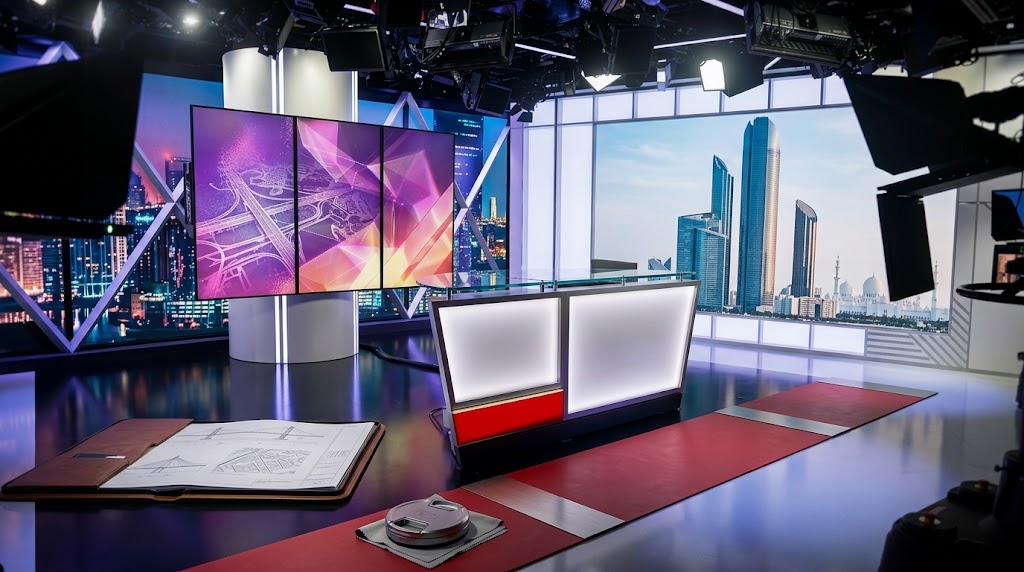
CNN Abu Dhabi provided a global media lens at ADIS by hosting high profile interviews and panels that framed Abu Dhabi's infrastructure plans as internationally competitive and focused on integrated energy and transport planning.
The fireside chat between UAE Minister Suhail Al Mazrouei and CNN's Becky Anderson highlighted national strategies and positioned Abu Dhabi as an infrastructure leader with ambitions to move from fifth to first in global infrastructure rankings. Media coverage reinforced themes such as integration of energy and infrastructure, EV ready roads and deployment of digital twins across urban systems, helping translate local delivery commitments such as PDE projects and AED32 billion in PPP opportunities into a narrative that attracts global capital.
For investors global media attention increases project visibility and can accelerate inbound interest in residential and commercial assets tied to the infrastructure program. Positive coverage supports confidence in delivery timelines for projects that underpin new communities planned through 2029.
How did CNN Abu Dhabi provide a global media lens at ADIS?
- Media: CNN Abu Dhabi coverage
- Focus: national strategy and integration
- Impact: increased international investor attention
What did the UAE Minister of Energy and Infrastructure say about national strategy?
The UAE Minister of Energy and Infrastructure framed infrastructure as integral to national competitiveness and noted that roads and rail account for more than half of national sector spending while the country aims to move from fifth to first for infrastructure quality.
Suhail Mohamed Faraj Al Mazrouei emphasised how integrated planning of energy and infrastructure underpins Abu Dhabi's model, with efficiency standards, AI led consumption management and EV ready road design embedded into projects. He stated that national spending priorities currently place significant emphasis on transport networks and that digital twins are being used across Abu Dhabi and Dubai to inform city scale decisions. The minister's remarks underscore the strategic nature of the $200 billion program and the role of integrated systems in raising long term performance.
Policy signals from the minister help direct private investment by clarifying priorities such as transport and energy alignment, which in turn influence development returns and the attractiveness of communities delivered by ADPIC's pipeline and partners like Aldar and Bloom Living.

What did the UAE Minister of Energy and Infrastructure say about national strategy?
- Priority: transport and rail spending
- Ambition: move from 5th to 1st in infrastructure quality
- Tools: AI and digital twins
How are digital twins being used for city scale decision making in Abu Dhabi?
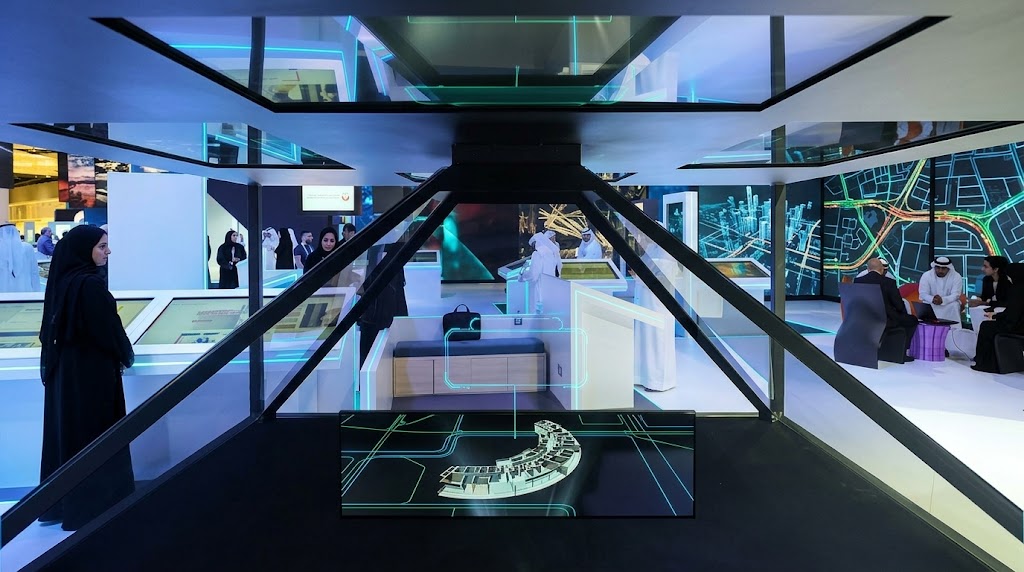
Digital twins are used to create real time replicas of infrastructure and urban systems to support decision making, reduce risk and test liveability outcomes for projects inside Abu Dhabi's broader $200 billion program.
At ADIS speakers described digital twins as essential tools for integrated planning, allowing authorities and developers to simulate transport flows, energy consumption and environmental impacts before committing to expensive fixed infrastructure. These models help align municipal, transport and project delivery decisions, and they support ADPIC's objective of people focused delivery by testing how proposed changes affect daily life. Digital twin deployments were referenced as active across Abu Dhabi and Dubai, enabling evidence based trade offs when designing communities and utility systems.
For investors digital twins improve transparency about future neighbourhood performance and can reduce uncertainty around operating costs. They also help governments and developers meet targets such as the delivery of 40,000 homes by 2029 by optimising resource allocation and prioritising projects that deliver greatest liveability benefits.
How are digital twins being used for city scale decision making in Abu Dhabi?
- Use: simulate transport, energy and environment
- Benefit: reduce delivery risk
- Support: helps meet 40,000 homes target
Abu Dhabi’s infrastructure agenda announced at ADIS is tangible and measurable: ADPIC manages over 500 capital projects within a roughly $200 billion program, advanced about AED32 billion in PPP opportunities last year and is targeting more than 40,000 new homes by 2029. Developer commitments such as Sobha Realty’s AED3 billion for offsite factories and Aldar’s AI enabled planning show delivery is shifting toward industrialised methods and data driven decision making that reduce schedule and cost risk.
If you are evaluating Abu Dhabi opportunities, Binayah Properties can connect you to projects and communities aligned with these trends, including Jubail Island, Bloom Living developments and Aldar masterplans. Contact our Abu Dhabi team at www.binayah.com or call +971 54 998 8811 for tailored investment advice, off market listings and guided viewings that reflect the emirate’s delivery timeline and liveability priorities.
Binayah Editorial
Property Market Analyst
Our editorial team researches Dubai's real estate market, tracking DLD data, developer launches, and investment trends to keep buyers and investors informed.
Ready to Invest in Dubai?
Speak with our analysts about the best opportunities in today's market — free consultation.